Three decisions will set you on the right path for an Australian wine holiday in 2026: forgo any notion of “doing Australia” and select a region; time your travel to the season that fits your means; and make up your mind early as to whether you are going to be self-driving or put your name down for a guided tour. Do that and you will find the rest falls into place with little trouble, cellar door bookings in Australia and the like, what to eat and where to put your head at night, transport and even how many bottles you can get in the suitcase without making it look like a crime scene.
I am Evander Anderson. After some years in tourism one learns that most people put too much in their itinerary and do not give enough thought to the driving. On paper a wine holiday is very relaxed. The truth is the distances are more than visitors allow for, tasting appointments are of greater consequence and a protracted lunch has a way of scuppering your fine plan to have been to six wineries by 4 pm.
The Case For Australia
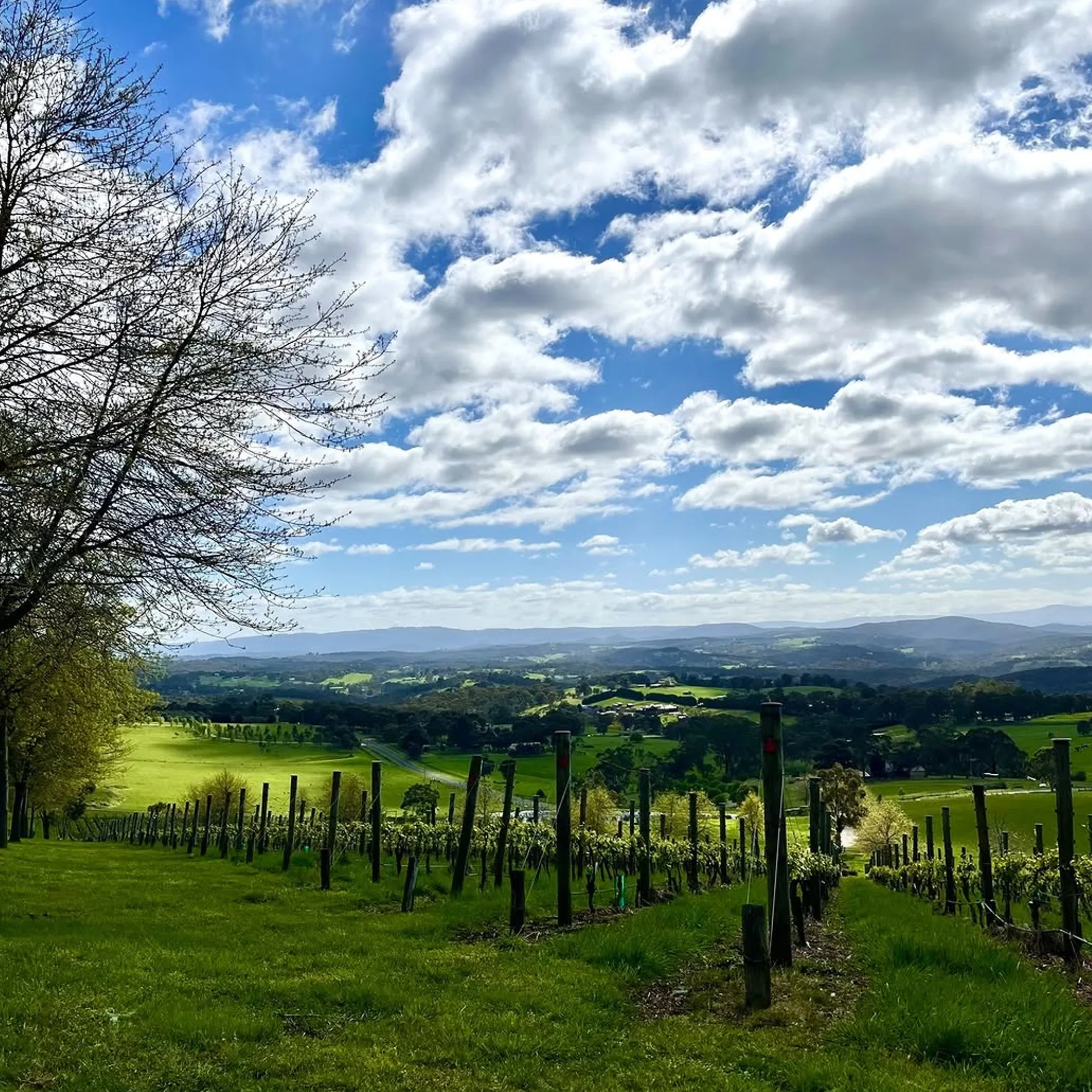
Australia is a good bet for a 2026 wine holiday. The quality is there from the big names to the small producers and the logistics are not difficult to handle with the right planning. One can put together a trip to see the Shiraz of South Australia or Cabernet Sauvignon in WA, Pinot Noir in Victoria or, if one is so inclined, sparkling and Riesling. Learn more about Australia’s top wine regions.
Then there is the variety beyond the wine. You are not put in a position to go from one tasting bench to the next like a galah out of its tree. With beaches, regional food and cycling to be had, along with city access, the trip is as good for the family member after a view of the vines and a decent lunch as for the more ardent taster.
Who Should Make This Trip
Couples, friends in a group and those with a taste for food will find this suits them, as will anyone who wants to put in a couple of regional days while in Adelaide, Perth or Melbourne. First timers need not be put off either; the staff at an Australian cellar door tend to be far more approachable than the old stereotype would have you believe.
Not so much for those with a dislike of the wheel, or who require nightlife on a nightly basis, or under the impression they can cram in Barossa Valley, Margaret River and Yarra Valley wine tours in a long weekend. Before you are clear of the airport that is a rough plan.
Matters Of Season
You will want to consider the weather, lower rates or a quiet tasting when deciding on the best time to come to the wine regions. Most make the mistake of thinking there is a perfect month for every region, but the trade-offs are plain to see.
Vintage and harvest is full of energy and grape activity, you get a feel for the working year. But then the roads are busier and there is no room for spontaneity in your tastings or accommodation. In the shoulder seasons you will find a calmer pace and staff who are not running between the crush and the forklifts to answer your queries on oak.
By The Region
Take the Barossa Valley, Clare Valley, McLaren Vale and Coonawarra in South Australia. From late summer through autumn you have the vintage/harvest season with all the warmth and demand for bookings that entails. Spring is the way to go for milder weather, green vineyards and putting in a restaurant reservation with less fuss.
A longer stay in Margaret River is most comfortable in spring or autumn. Summer is fine until the school holidays and beach traffic put paid to it. Autumn is particularly agreeable on the Mornington Peninsula and in the Yarra Valley for a food and wine pairing weekend; winter is for the type who would rather have red wine and a fireplace and avoid the crowds.
Where People Go Wrong
There is an assumption that during harvest you can simply put in an appearance and see the magic. Occasionally you can. Other times the staff member attending to you has had four hours’ sleep and the only magic is a forklift in reverse by the shed. Consider vintage a working season and book in advance.
And do not underestimate the weather. A self-drive tour in Australia can be done in by the heat in the early afternoon, bushfire risk being another factor in the summer in places. Check the Australian Bureau of Meteorology for official warnings before you head out into the regions.
One rule of thumb for your planning: depth over number of regions.
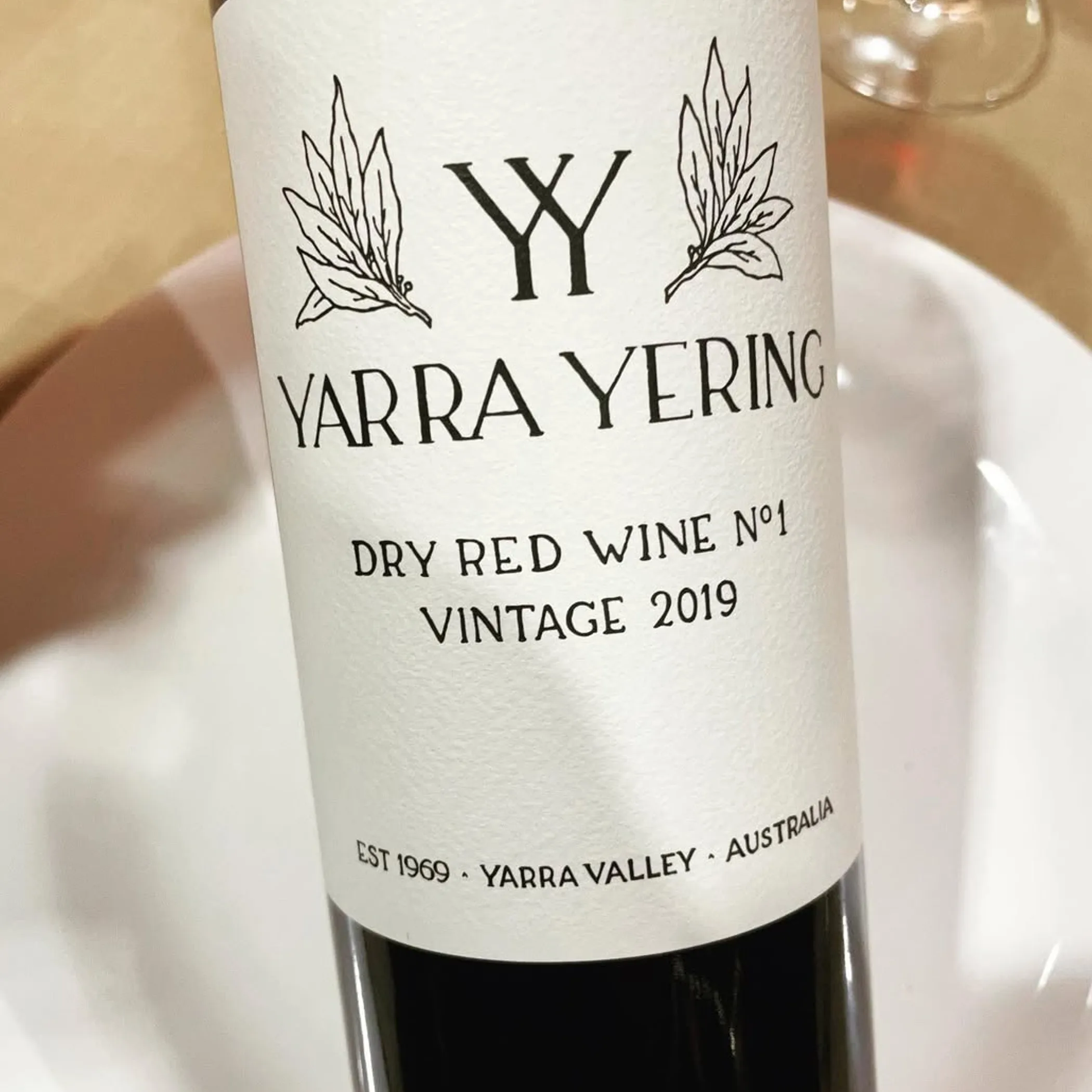
You will not get far in a country as vast as Australia by making an effort to put every well known label on your list. It is all too easy to end up with more driving and hasty tastings than you care for, and little opportunity to put in some time at the ones you like.
So when I am put to it on which are the top wine regions of Australia, my reply is generally a question of my own: how do you want to spend your day? Are you after big reds and quick transfers, or would you prefer long lunches and ocean air? Perhaps some cycling from one tasting to the next? Any top-ten list is generic; what is right for you hinges on that.
Best Region Match-Ups
| Region | Best For | Main Styles | Nearest City | Realistic Stay |
| Barossa Valley | Iconic producers, easy touring, first-timers | Shiraz, Grenache, Riesling | Adelaide | 2 to 3 days |
| McLaren Vale | A more relaxed way to have wine and the coast | Shiraz, Cabernet Sauvignon, Grenache | Adelaide | 1 to 2 days |
| Clare Valley | Quicker cellar doors, good for cycling | Riesling, Shiraz | Adelaide | 2 days |
| Coonawarra | For those who take their reds seriously | Cabernet Sauvignon, Shiraz | Adelaide (regional route) | 2 to 3 days |
| Margaret River | The longer holiday, food and beaches to go with the wine | Chardonnay, sparkling, Cabernet Sauvignon | Perth | 3 to 5 days |
| Yarra Valley | A short break from Melbourne | Pinot Noir, Chardonnay, sparkling | Melbourne | 1 to 3 days |
| Mornington Peninsula | Boutique stays and a coastal change of scene | Pinot Noir, Chardonnay | Melbourne | 2 to 3 days |
One could make a case for any of them. Barossa Valley is hard to surpass for convenience. Margaret River has its admirers for the combination of surf and polish. Yarra Valley is logical for a weekend within reach of the city. From Adelaide, an itinerary in South Australia is best served by putting together McLaren Vale and the Barossa.
A Word on Transport
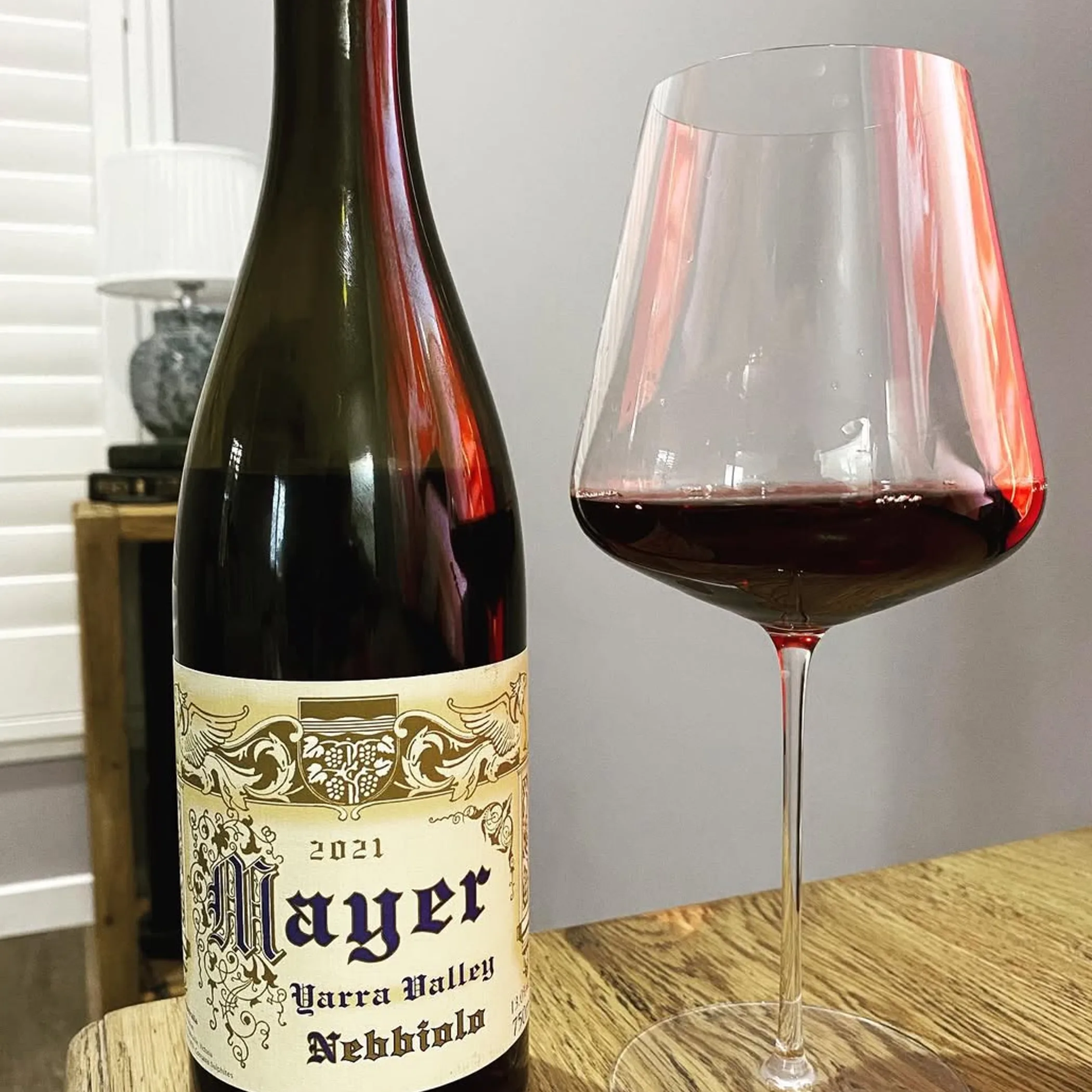
Here is where plans can fall apart. Whether to put down a rental car, go with regional transfers or an organised tour is something to be decided before one starts to firm up tastings, for it will dictate the course of the holiday.
Driving is fine if flexibility is the order of the day. But for getting through several tastings in a day and having some enjoyment of it, you are better off with guided transport. You may have a designated driver, but he must be one who will sit out or put his limits on the spitting and tasting. Promises made at breakfast are apt to be forgotten at the third winery.
Getting There
For the Barossa, McLaren Vale and Clare Valleys there is no easier port of call than Adelaide. Those heading to the Mornington Peninsula or Yarra Valley will typically use Melbourne as their base. To get to Margaret River one goes via Perth and then drives south.
Be realistic about travel times. A run from Adelaide to the Barossa will take you anything from an hour to an hour and a half come traffic. The road from Perth to Margaret River is a longer day than the uninitiated think, once you factor in coffee, lunch and a view point or two, and the odd member of the party who has to photograph a farm gate. Do not put in for a 10 o’clock tasting the morning your flight comes in while you are still sorting out a hire car.
To Drive or Not
The self-drive option has its appeal for couples and families in the mood for some privacy and to mix things up. Groups that would rather not be concerned with parking or working out a route can let a guided wine tour see to that. In season, a regional transfer between the accommodation and the cellar door is a reasonable compromise.
With a day to spare, stick to a compact region near a city like the Yarra from Melbourne or McLaren Vale from Adelaide.
For the simplest introduction, a Barossa Valley wine tour and a long lunch will do.
Should you wish to avoid the wheel altogether, local transfers or a guided tour from your in-region accommodation is the way to go.
Non-drinkers in the party are catered for with the wider activities on offer at Margaret River or the Mornington Peninsula.
Booking Your Tastings
Things are different at the cellar door these days. While you can still walk in at some places, a number of the smaller or more premium operations are on a reservation basis for their seated or prepaid experiences. Make a booking for your main stops in Australia, come weekends or harvest time.
Do not overdo it. Five appointments in a row is not as pleasant as three with a lunch in between. Six wineries on paper is festive enough, but by mid-afternoon the palate is fatigued and it is all homework.
How Many Is Enough
Two to four in a day is what most will find they can do. If they are proper seated tastings with discussion, two or three is sufficient. One has to allow for the odd delay, a browse of the bottles, a stop for food or the toilet, and someone who has bought a bottle of olive oil to lug about for the duration of the trip.
There is a broad range in what you will be asked to pay for tastings. Allow for AUD 10–25 per head for the usual sort of thing and from AUD 30 to 80 if it is a premium, more formal affair; in some instances a bottle purchase will see the fee waived. Add another AUD 45–120 on top of that for a long lunch at one of the winery restaurants, venue and wine pairings permitting.
Etiquette
Do not be shy to put questions to the staff but be sensible about it. You may not be able to distinguish your Pinot Noir from postbox paint and they will not mind; they have been subjected to worse. Be punctual, leave the strong perfume at home and do not overstep on the pours.
On an extended day spitting is as much a convenience as anything else. And while not all venues insist on it, one might put something small through the till after a very generous hosted session. If you are flying between regions or travelling with little luggage, make an early enquirey as to shipping options.
Make the most of the vines
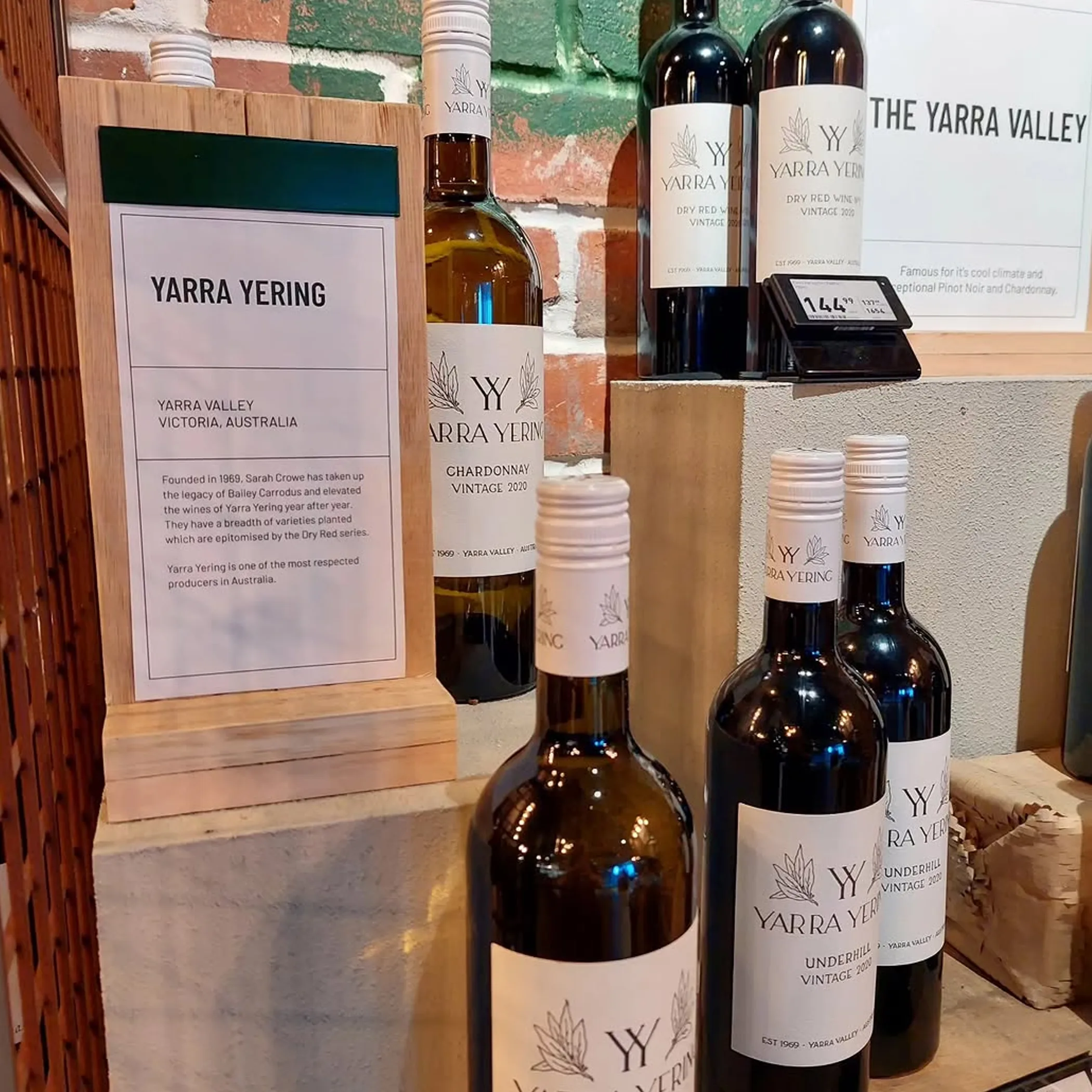
Your accommodation should be chosen with care since the evenings in the region are part of the holiday, not merely filler between tastings. A good place to put your head at night means less time behind the wheel and easier dinners, and it relieves one of the duty of being the perpetual planner.
You will not find a one size fits all solution. For immersion there are the winery stays, B&Bs for those who like a personal touch and then the larger hotel for when plans alter and a front desk is required.
What works where
In the Barossa and Yarra Valleys you can avoid a lot of backtracking by putting up close to where you have made your tasting appointments. In Margaret River it is all the more important given how far apart the dining, beaches and wineries are. A town location is practical for late returns and meals, a secluded property is more of an experience but exacts a toll in driving.
Expect to put down somewhere in the order of AUD 180–300 a night for a decent mid-range option in 2026, AUD 320–500 for the better boutique and upwards of 550 for luxury vineyard lodgings. Of course the major seasonal events, harvest weekends and school holidays will see prices rise.
An itinerary with some sense
The length of an itinerary is not what makes it good. You want room to breathe, proper meals and the odd detour or nap, perhaps even an unheralded cellar door that ends up the best of the day. The following are of a calibre I would put forward to a friend, not some contrived schedule dreamed up by someone unfamiliar with the difficulty of extricating oneself from a winery car park after two hours at lunch.
Barossa in three days
Start with an arrival from Adelaide and an afternoon tasting on day one followed by a nearby dinner. Day two is for two visits to the cellar door in the morning, a lunch and one more tasting before calling it a day. On the third and final day have a local produce stop or a last tasting and take the slower way back to Adelaide if you have the time. A no-nonsense way for a first timer to get to know South Australia. Should you want more contrast in your wine itinerary, put in McLaren Vale after the Barossa, do not attempt to fit in Clare Valley too.
Margaret River for four days
After the drive from Perth on day one check in and have an unassuming dinner. Two wineries and a lunch on day two, an afternoon stop and a walk on the beach if the weather is amenable. Combine the wineries with a coast drive or food producers on day three. Day four is for a final tasting and an easy return to Perth while there is still daylight. This is for the traveller who does not wish to be on wine from the moment he wakes. The region is of such scale that a short trip can be hurried; I would not make of it a frantic overnight unless forced to.
Yarra in two days
Get an early start from Melbourne for two tastings and lunch on day one and an overnight in the area. The second day can be a relaxed return after a tasting, of sparkling say. A couple wanting a break near the city without the logistics of a long haul will find this suits them.
One day
Proximity is to be preferred to prestige. You will have a better day in the Yarra from Melbourne or McLaren Vale from Adelaide than you will on a highway for half your holiday. Make it two tastings and a lunch and no more, or it becomes a matter of the stopwatch.
Packing, safety and the budget
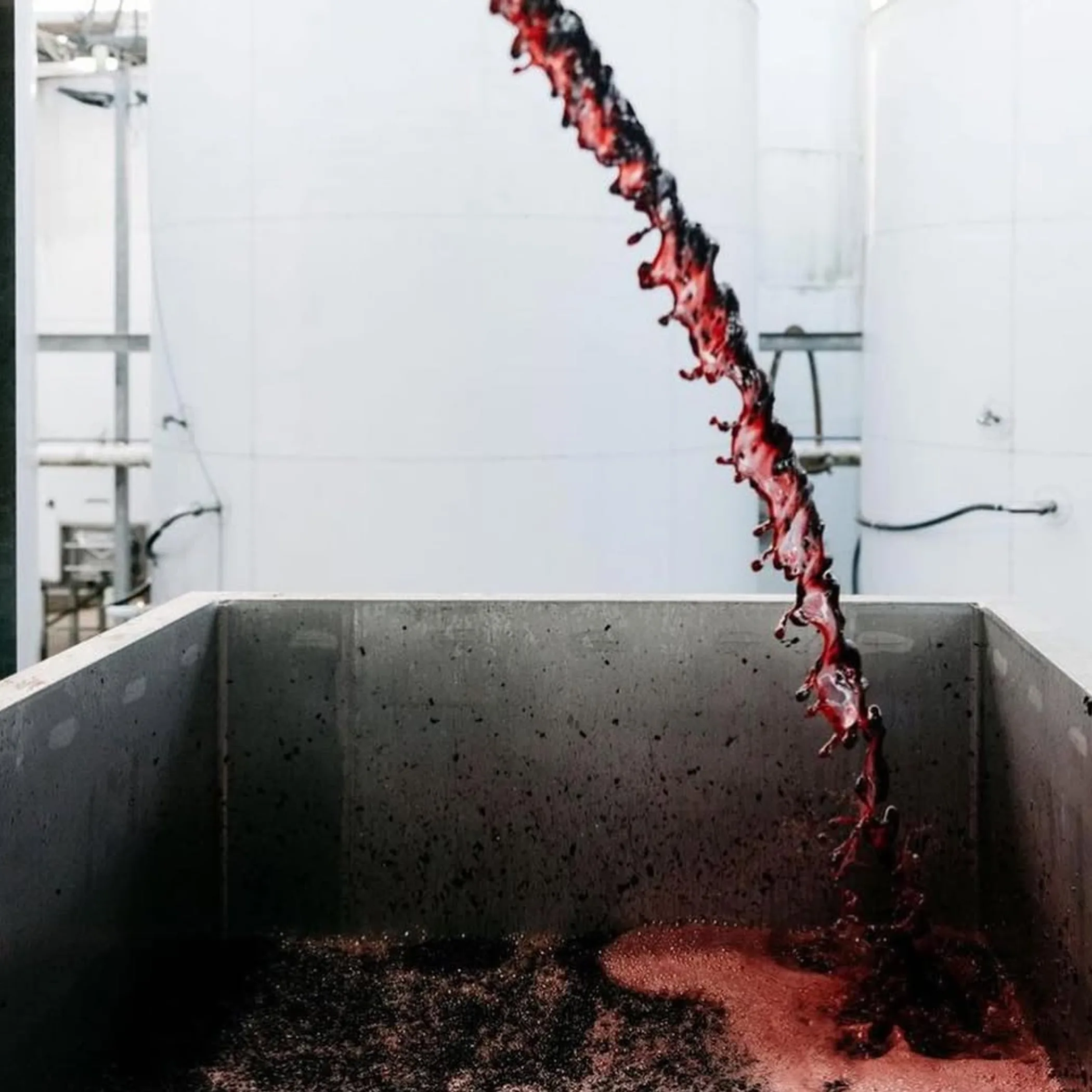
When you come to budget for the holiday you have to think beyond the room and the bottles. There are tasting and transport costs, freight, the city stay around your flights and the occasional snack that puts a dent in things because everyone was peckish at the worst possible time.
As for safety there is no room for negotiation. The rules against drink-driving in Australia are strict and the enforcement to match; regional roads are not the place for questionable judgement. When in doubt, put the keys down.
A mid-range outing
A mid-range outing for a couple will run you in the region of AUD 450–850 a day in total, style and region being the deciding factor. In most cases the bill will be for your car or day-tour transport, lunch and dinner, two tasting fees apiece and a room. Put in some premium accommodation and reserve tastings on a luxury outing and you will see figures that are hard to match.
Then there is bottle spend, which is what people tend to overlook. A moderate buyer can put down AUD 150 to 400 in a day with little effort. Before you know it you have put together some cases and mixed packs in much the same way as a child puts in for snacks at the servo.
Practicalities And Packing
You should have a hat, water bottle and sunscreen, plus an extra layer for when the cellars are cool or evening sets in.
Shoes need to be up to standing on winery steps, lawns and gravel; do not sacrifice function for fashion and risk trouble with your ankles.
If the day is warm and you are driving off with wine, take a small cooler.
Make sure to enquire with producers on shipping before your last day and be aware of luggage restrictions for flying with bottles.
Making Time For Events
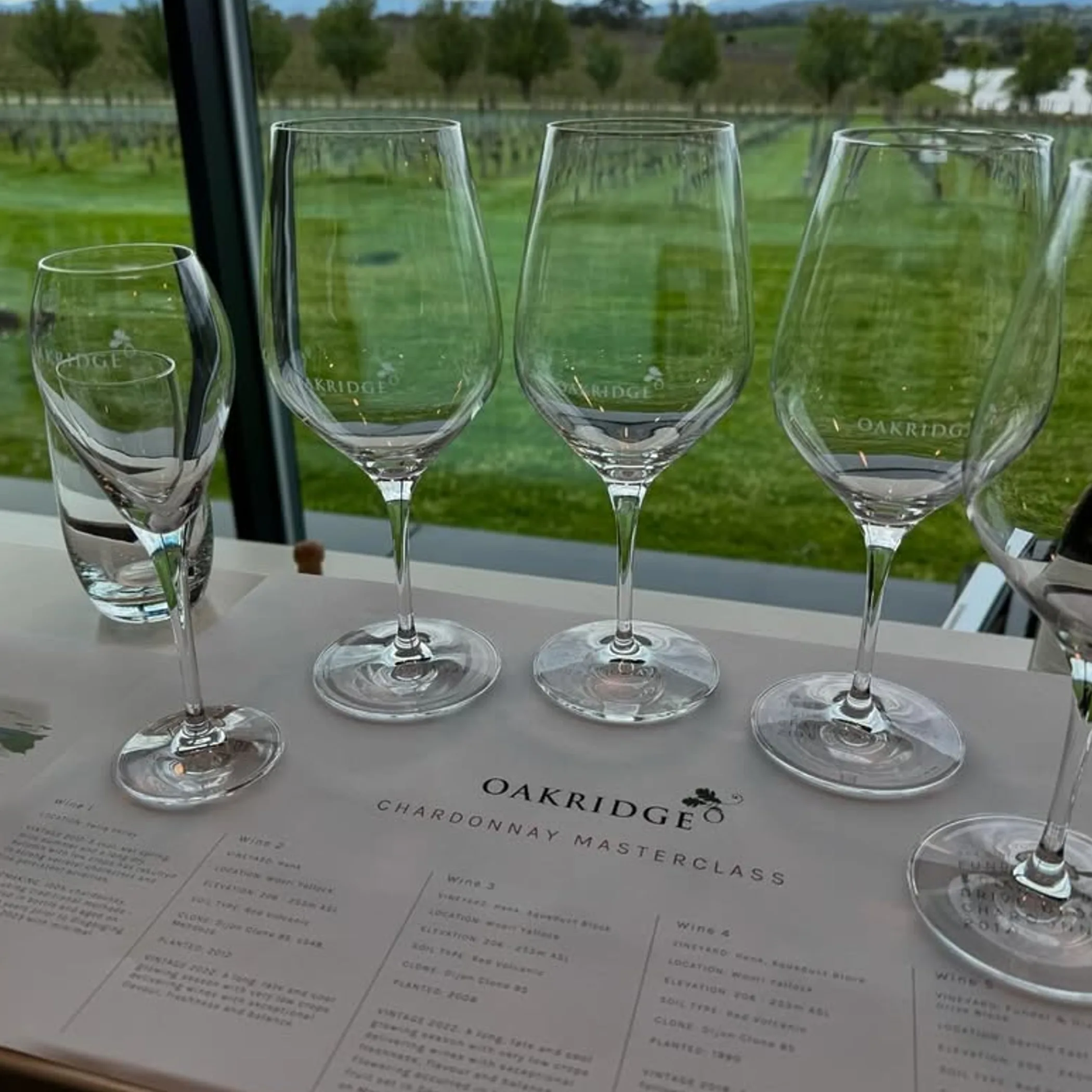
A festival will add to the experience if it is to your liking, with its busy restaurants, special pours and atmosphere. The downside is the cost, parking difficulties and crowds that turn a queue for the dunny into a test of character. Should you be after a wine festival in Australia for 2026, let it dictate your accommodation dates rather than being the sole purpose of the journey. An event weekend followed by a day or two of quiet in the region is preferable to having every hour of the day accounted for.
Getting The Most Out Of It
Do not run after all the big festivals. There is more to be had from a vertical tasting or a well-chosen lunch at a producer open day or harvest activity than elbowing your way through a marquee with a plastic in hand. Check with the regional tourism body and the winery for 2026 dates prior to putting in for flights; schedules have a way of changing and good sessions on a major weekend go quickly.
Some Questions Answered
Travellers have a habit of asking these once they are already in the market for a place to stay, so it is as well to get them out of the way now.
Australia’s best wine tour?
It is not one size fits all. The Barossa Valley has the iconic names and is easy enough to make a first choice. Margaret River is where you will find a more rounded holiday with the beaches and food. From Melbourne you cannot do better for a short break than a Yarra Valley tour.
When to head to the Barossa?
For the vineyard buzz, late summer into the autumn harvest is fine. But spring is a safer bet for milder climes and a less hurried tempo. You decide if you want the activity or the breathing space.
2026 wine events in Australia?
There will be no shortage of them in South, Western and Victoria: tasting weekends, producer affairs and seasonal food events. But you would be wise to check the programs and dates with the venues before any non-refundable bookings are made.
Barossa or Margaret River?
For a straightforward red-wine trip from Adelaide, Barossa is the answer. For a longer stay with the coast and food on the menu, go to Margaret River. Variety or convenience, you tell me.
Advance booking for cellar doors?
Not for everything, but put in for the premium seated ones and your must-dos for the weekend. Keep a slot open in the day for a local tip-off or a slower lunch, something you come across on the track. It keeps things from getting too tight.
The bottom line
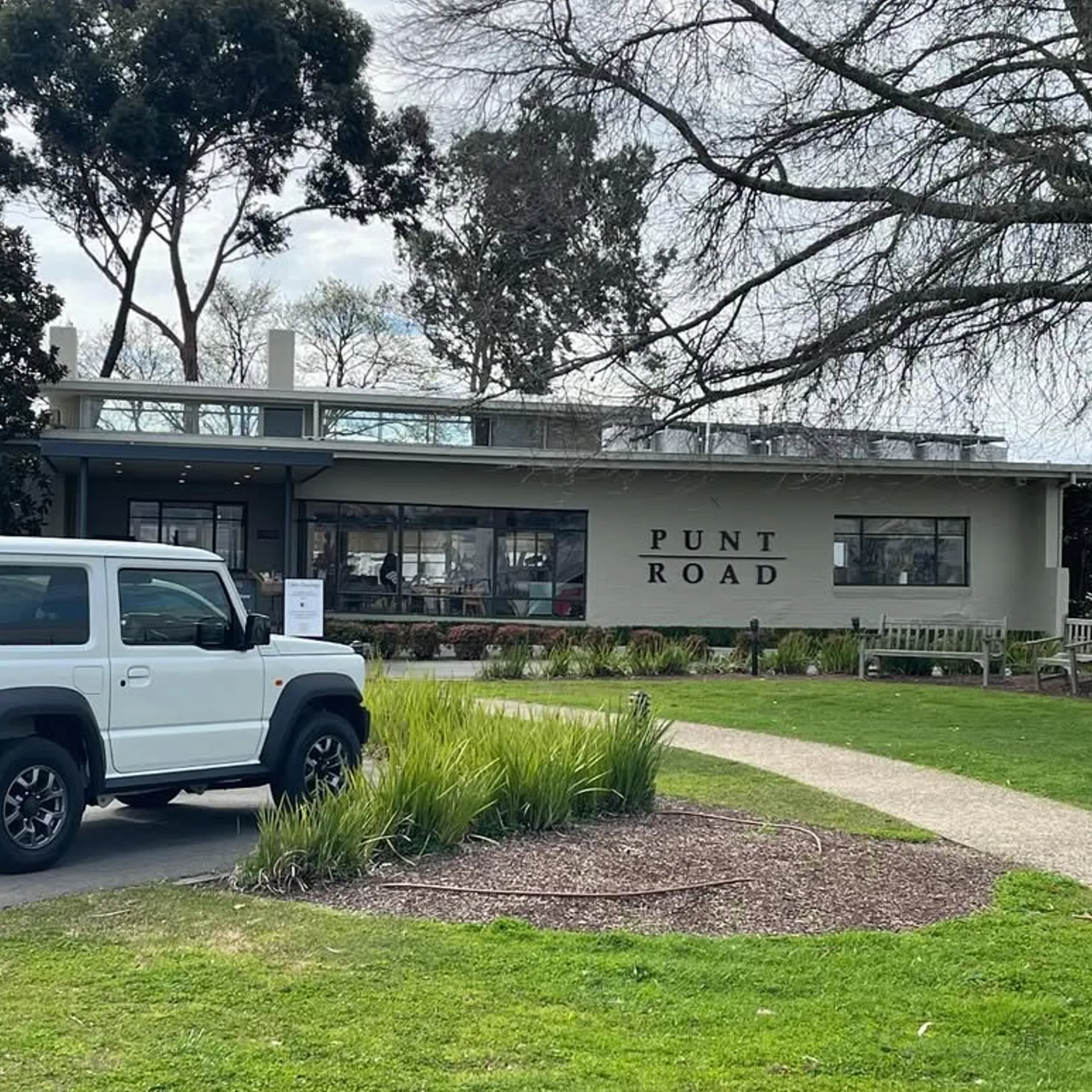
To put together a sound plan for an Australian wine holiday in 2026, pick a region, allow yourself more time than you first thought and have your transport sorted before the winery pictures start to distract you. I would advise, Evander Anderson here, to leave some space for the unscripted moments: the back-road bakery, a lunch that drags on, the bottle you will put away and recall later, or a producer with a better tale to tell than the well-known label. You are not on a trip to put as many cellar doors as possible behind you, but to have a few days that are well-organised and generous enough to want to do again.
