There is a predictability to the habits and routines of Australia’s little penguins once one is attuned to them. They put in the hours foraging at sea, then as dusk falls they will come back in numbers and make their way under the dim light to burrows, showcasing their penguin daily routines, before starting the whole cycle over again with an enviable discipline. The Eudyptula minor, to give them their formal name, are creatures of routine in this country, governed by what the weather and predators allow, by human encroachment and the demands of the breeding season.
The short of it is that you have a small, colonial seabird here that is predominantly marine. By day they are offshore, resting or making their way about; at night they come in from the sea. They nest in some protected cavity or burrow, put food in front of the chicks when the time comes and endure a hard annual fast on land to moult. It is the sort of pattern that accounts for most of the interest in little penguin habits, and makes sense of the rafting at dusk you see or the need for good viewing etiquette.
Having followed wildlife tourism in Australia I have seen my share of visitors who would have the animals put on a show as if it were pub trivia at night, says Evander Anderson. But while penguins are habitually inclined, nature has the last word. A change in the wind or swell, the moon, heat or even where the prey is moving can alter the timing and leave a visitor none the wiser.
Some Quick Facts
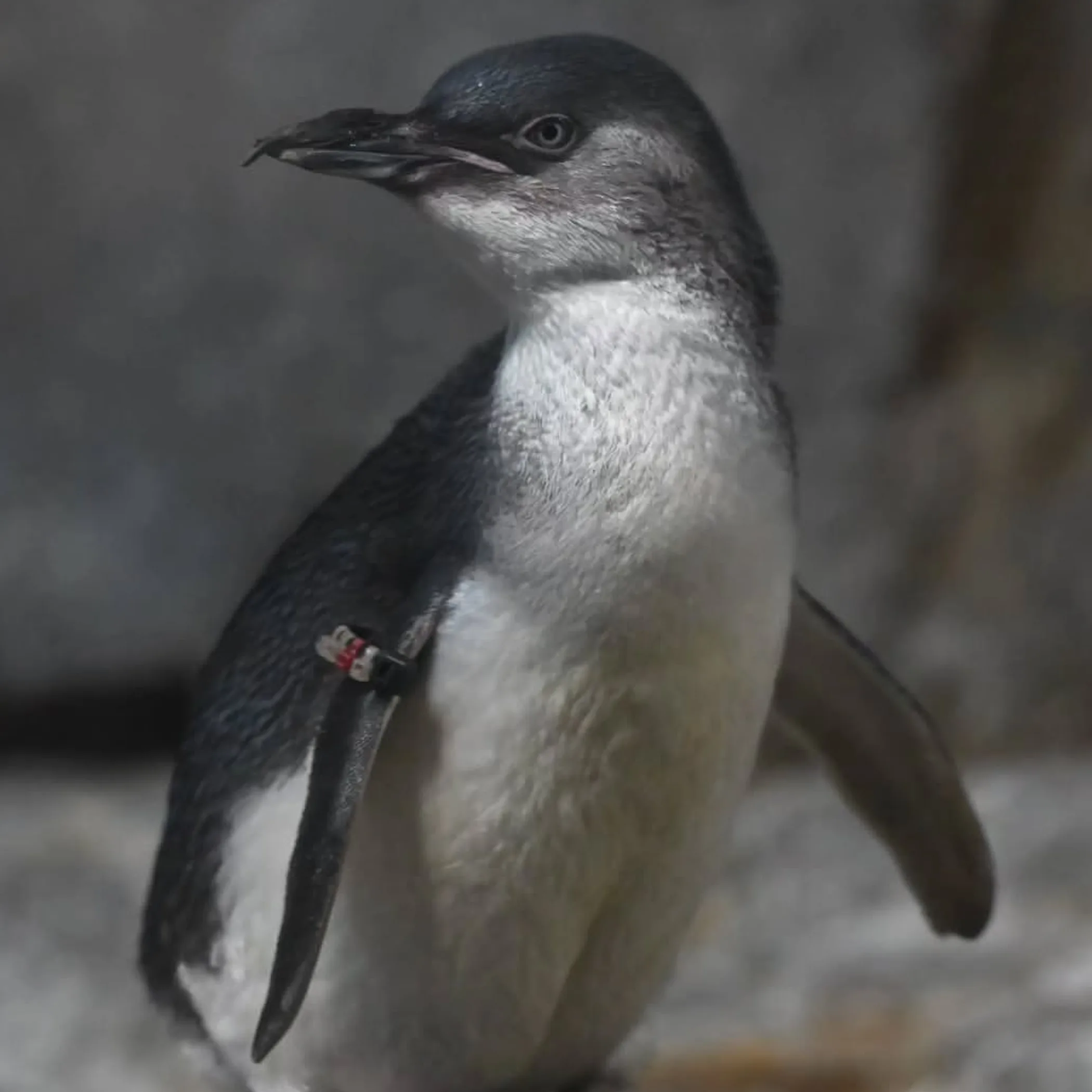
It is well to put the basics in order before you go out to watch them. There is a tendency for the field to be let down by poor expectations born of confusion over nomenclature and size.
You will find them called Little Blue or Fairy Penguins in older usage as well as Little Penguin, but they are all the same species, Eudyptula minor. Colonies are to be found in Victoria, South and New South Wales, Western Australia and Tasmania.
| Feature | Details |
| Scientific Name | Eudyptula minor |
| Common Names | Fairy, Little Blue or Little Penguin |
| Average Height | 30 to 35 cm |
| Average Weight | 1 kg (a useful average, not a rule) |
| Australian Range | Tasmania and the southern coast from WA to NSW |
| Nesting Style | In a burrow or rock crevice, or an artificial box |
One can put stock in these figures from the Australian Museum or the zoos at Taronga and Perth. But a bird’s weight is subject to recent feeding and whether it is in the midst of a moult or in breeding condition.
Life At Sea
The great misconception with Australia sightings is that the little penguin is loafing on the beach like a tourist with a piece of sand to his name. Not so. For the most part the day is spent at sea doing the hard work.
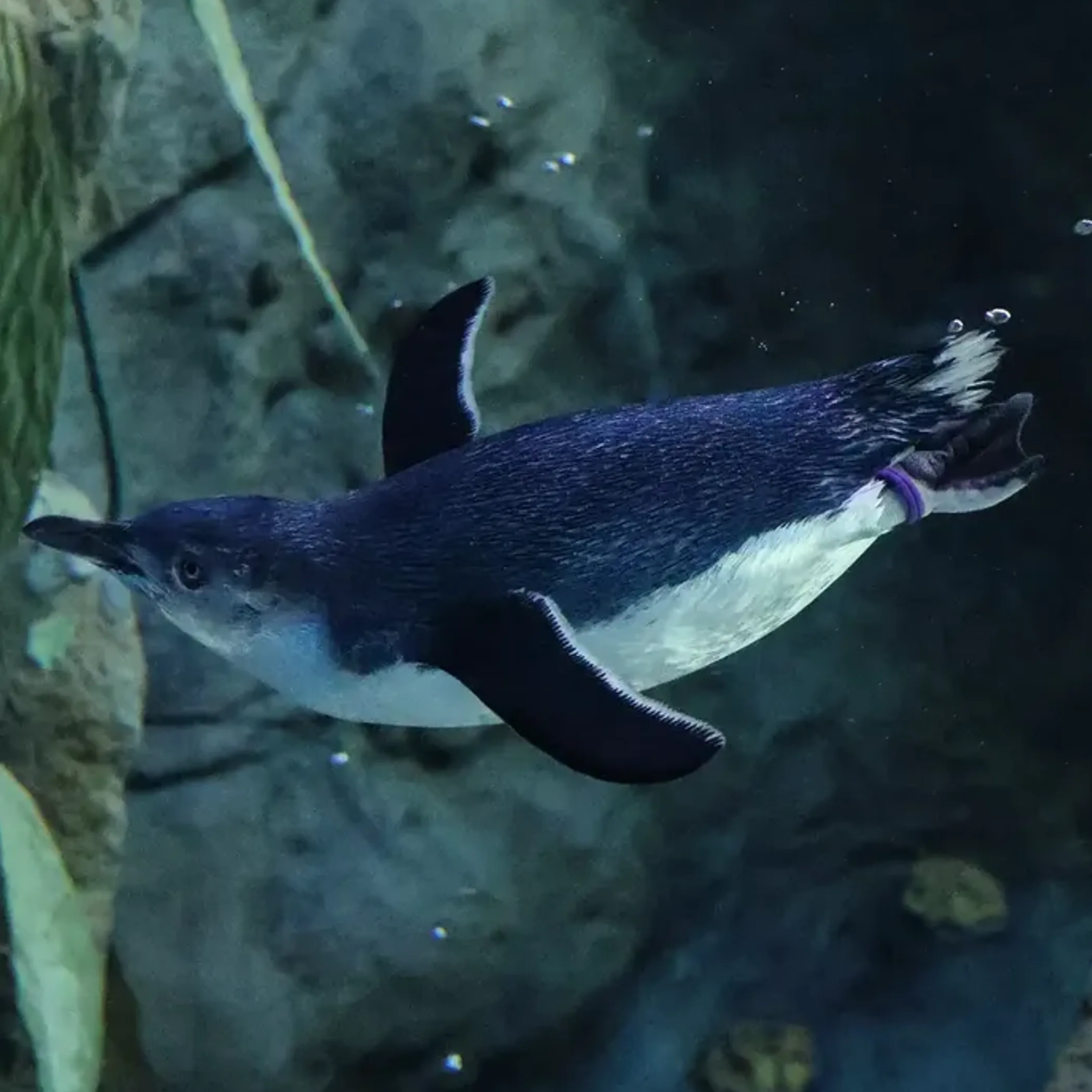
Foraging is the centrepiece of the daily routine. After dawn the birds are off from the colony after schooling prey and the behaviour of the little blue penguin is more efficient predator than postcard cuteness.
Dive Work And Foraging
They are practical about it. Little penguins are no lazy feeders, they put energy out and must recoup it. They will take their fish and squid, and an odd crustacean, with repeated pursuit and short dives in productive local waters rather than any deep ocean theatrics. Studies of colonies in Australia and New Zealand bear out that they do not dive as deep as their larger cousins, preferring the upper water column where there is a school of prey, though they can hunt well enough underwater and on the surface too.
What To Expect In A Day
Out of the breeding season an adult might rest on the water and stay longer at sea. When there are chicks to provision he will be back more often with the food for the burrow. Consider the Eudyptula minor to be something of a commuter without a train timetable and a long swim home. Seasons may dictate the details of the routine but the logic is unvarying: put on the weight, breed, moult and keep the predators at bay.
Dusk Return To Shore
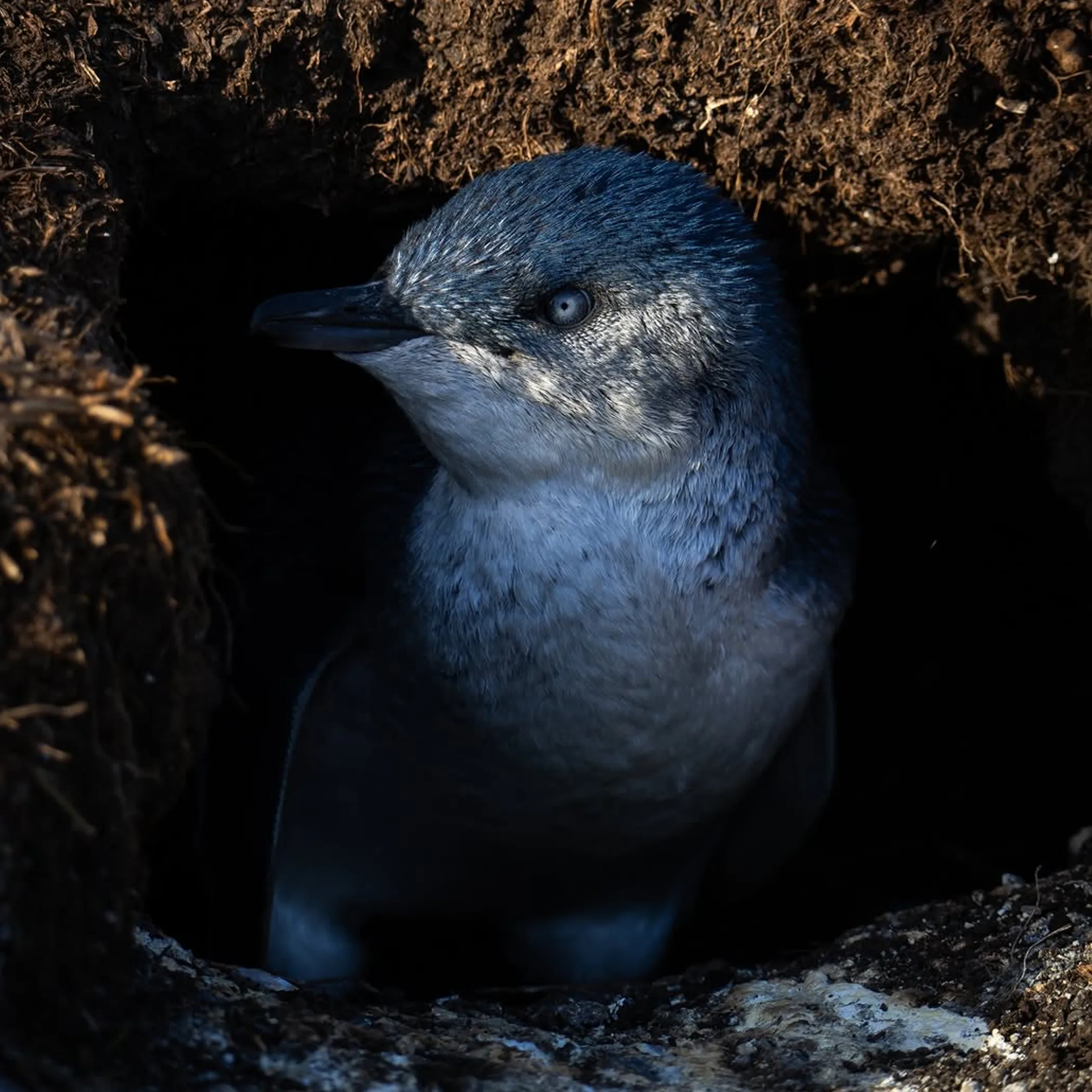
There is a reason this is the segment most are familiar with. The evening return is as visible and endearing as any of the fairy penguin’s ways in Australia, yet it is also when they are open to being harmed by disturbance.
Offshore you will find little penguins congregating prior to putting in on land. They do not simply hang about; what is called penguin rafting at dusk is purposeful. It seems to be a way for the birds to put the all clear on safety and see to the co-ordination of their shore entry.
A case of Rafting, Waiting and A Dash
The rafting is to be found just outside the surf where groups put in on the water until there is a quorum of birds or the light is right to make the run inland less of an exposure. After that they put in a quick crossing of the shoreline, one can see why they have a name for being determined if a trifle flustered.
One has to factor in predators: gulls, raptors, foxes and dogs will dictate how cautious the penguins are at the edge of the water. And humans with their camera flashes and loud talk, or who stand in the way on access tracks, put stress on them and hold them up. Phillip Island Nature Parks has made its visitor rules on the simple premise that a bird under less pressure on landing will conduct itself more naturally.
After Dark In The Burrows
Once they are ashore the nesting burrows are where the action is. There will be some preening and calling, a word with a partner or neighbour perhaps, before they head inland along well trodden paths in the dunes, rocks and vegetation.
It is a mistake to think they put in a straight line for home. They will stop and listen, have an argument, go the wrong way or wait for an opening, and at times just stand about as if they have lost the plot. All quite normal. There is no call to “help” and doing so is counterproductive.
On Breeding, Burrows And Chicks
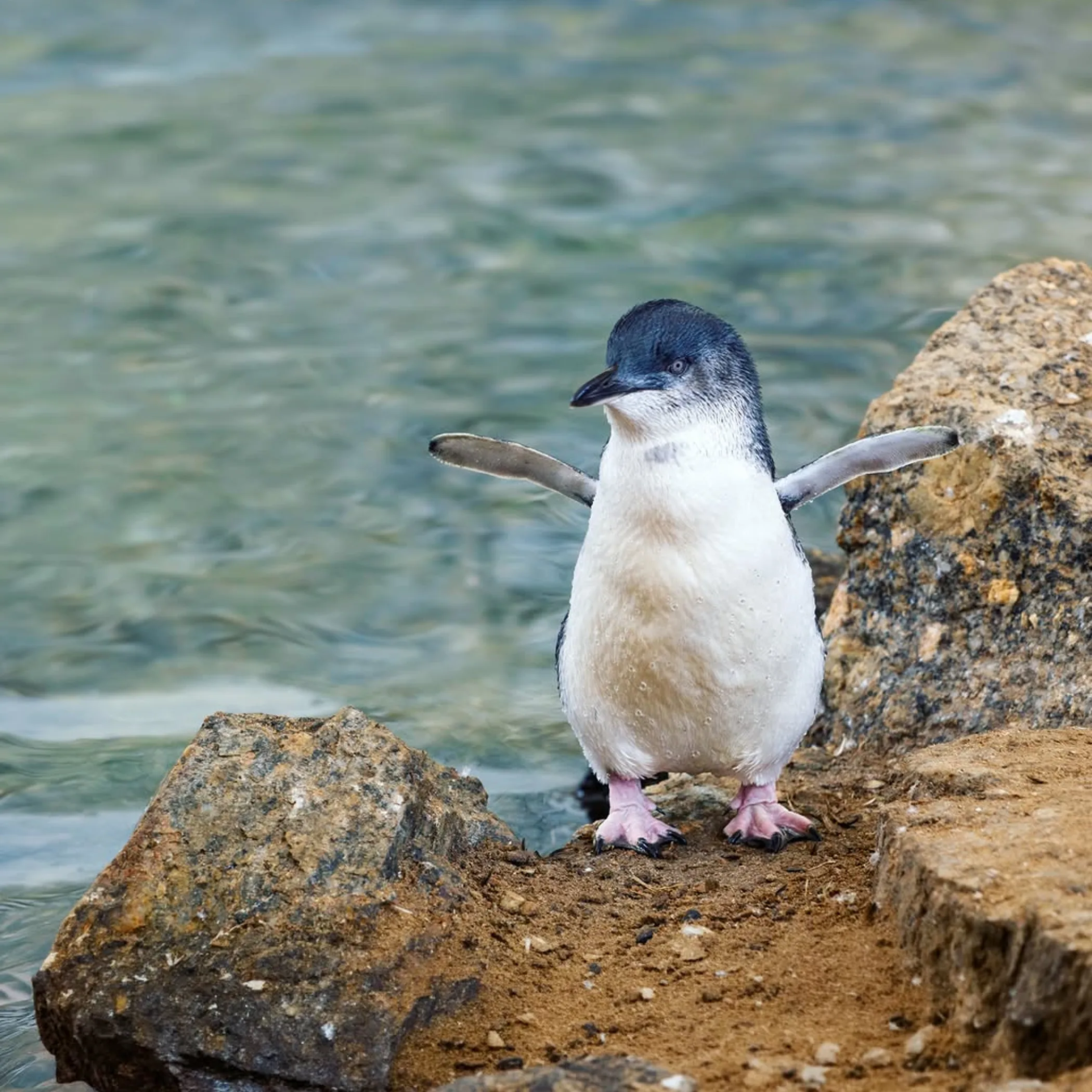
In certain months routines become more rigid and that is down to the breeding cycle. With eggs or chicks in the picture the adults have less leeway and colony life is governed by deadlines.
As for the breeding season, local conditions and region will have their say so there is no one month that applies across the country. Food, climate and latitude come into play and you may find one colony in full swing while another is subdued.
Pairs, Nests And Eggs
They are monogamous pairs you will hear, but it is not as straightforward as the greeting card would have it. Fidelity to site and mate is common enough, though no pairing is necessarily for keeps and not every season is uneventful.
Be it in soil or under roots, in a rock pile or a nest box provided by habitat management, the burrow serves to keep the temperature even and shield eggs and chicks from prying eyes.
Chick Provisioning
When it comes to rearing a chick the adults must forage and bring back prey, fresh or partially digested. In good times they will attend the nest and make their sea trips with some reliability. But do not be under the impression the fluffy ones are being catered for round the clock. It is a matter of hard numbers and access to prey. Should offshore feeding be poor the nest is the first to know. Hence the stress BirdLife Australia and others put on keeping colonies free of disturbance.
The Demands Of The Moult
Moulting is something else again. It is the most arduous time of year for a little penguin since it is not waterproof making new feathers and has to remain on land.
So they fast. They put in reserves beforehand and then shelter. You may see a lethargy in their movements but that is to be expected, not a plea for rescue.
What Moulting Entails
For the most part moulting will come after the breeding is over or when the bird is not occupied with a chick. Being unable to feed at sea means body condition is of prime importance.
People are apt to do damage inadvertently. A penguin moulting in the lee of a dune or some scrub is not there to be cornered for a photograph. Wildlife Victoria and those who manage the colonies are wont to point out that making a bird move or handling it is an unnecessary strain.
What They Eat And How
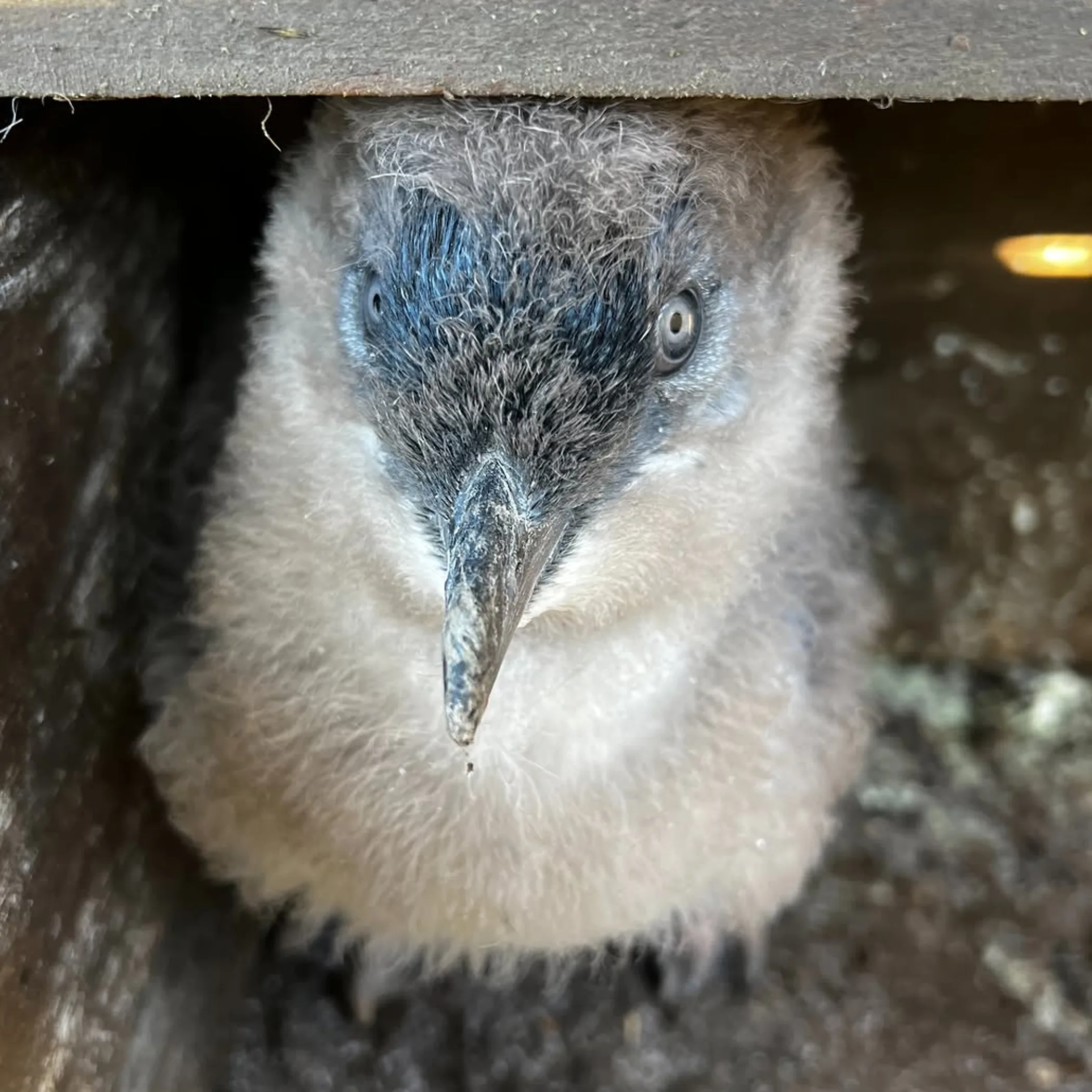
To get to the bottom of penguin behaviour one has to look at what they are eating. The little penguin’s diet is a primary influence on how far it will travel, when it comes back and its chances of a successful breeding season; it also dictates if a visitor is in for a good show or merely some silhouettes at dusk.
While there is variation from one place to another and with the seasons, small fish are the staple in most colonies. What is put on the menu by way of anchovy, pilchard, sardine and other schooling fish, squid, krill or the like is a matter of local waters.
| Routine Stage | What The Penguin Is Doing | A Visitor’s Typical View | The Catch |
| Daylight Hours | Offshore foraging, making their way about or putting in some rest on the water | Nothing much on land | One might put down beach inactivity to birds being “late” |
| Late Afternoon To Dusk | Putting in an offshore raft and sizing up the landing | Occasionally a few on the water at certain sites | Lighting, swell and any disturbance will see arrival times change |
| Evening Ashore | Social calls, a trek across the beach to the burrow | When you have your chance to watch | Bad positioning, flash and noise have a way of putting off the birds |
| Breeding Period | Nest is attended to, chicks are provisioned | Adults are more of a regular presence in the colony | There is a tendency to not give enough credit to the sensitivity of a nest |
| Moulting Period | Feathers are replaced while ashore and fasting | Sheltered birds at rest | Normal fatigue of the moult is taken for abandonment |
Operators and researchers in the field would confirm the feeding ecology as set out in an Australian Museum summary: the availability of prey is all important. A good patch of feeding offshore and the adults will seem efficient and punctual. Put in a poor spell and returns are later, chick growth is stunted and you can not be sure of the colony’s activity.
Disruptions To The Pattern
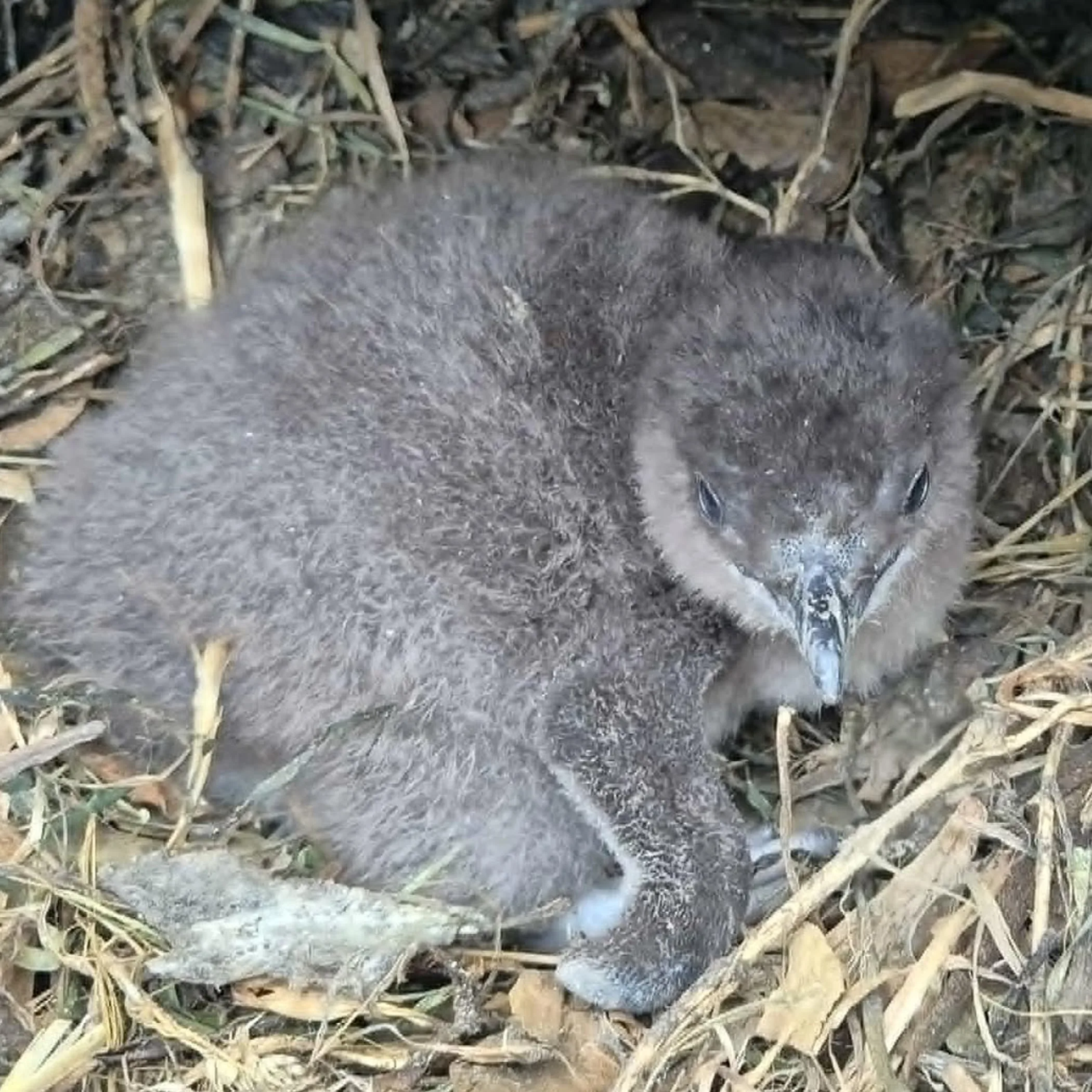
Little penguins may be creatures of habit but habits only go so far when the environment does not cooperate. Modern threats can put paid to a routine in short order.
Predators are still a concern. At some mainland colonies foxes and dogs pose the gravest risk on land; in the water there are larger marine predators to contend with. Then factor in rough weather, heat stress, coastal lighting, plastic, fishing pressure around the feeding grounds and things become more of a complication.
Weather And Human Disturbance
These birds need low light for a safe return to shore which makes artificial light an old problem. Crowding and noise will make them baulk and retreat or congregate in the open. Depending on where and when you are, bushfire smoke, a storm or heatwave can impact nesting and movement.
For official Victorian wildlife response advice, including what to do if you find injured wildlife, see Wildlife Victoria emergency wildlife guidance. It is the kind of practical counsel that is needed since a well-meaning intervention of the wrong sort is more damaging than to stand aside and make the one phone call.
Watching Them In Their Element
For natural behaviour as opposed to checking a species off, go to a site with rules in place or one that is managed. Australia has some fine places to do this though the logistics and timing are not quite the same.
Phillip Island Nature Parks is the obvious choice and well worth it. It is run in an interpretive and organised fashion with due regard to observation guidelines. There are other approved venues, in Tasmania under NRE guidance for instance in the Burnie area or state-monitored spots, and some vantage points at mainland colonies in WA, New South Wales and South Australia. Taronga and Perth Zoo will put things in an educational context but do not replace a wild colony.
An Evening For It
Do not attempt to freewheel to some beach at dusk. A managed colony with the necessary staff and parking is preferable if you want a proper wildlife experience and to be considerate of the birds. It is less of an adventure perhaps but better in the end. You will find parking hard at the popular sites in school holidays and on a warm weekend so do not tarry. Once you have to deal with tickets and queues and walking paths, “just before sunset” is late.
As for cost, it will depend on where you are. A public beach with a remote viewing point is free save for fuel and parking. But expect to pay for entry at the big attractions. Throw in transport and dinner and, for the regional traveller, accommodation that can be steep in the holiday season. For the driver, be mindful of your return timing. You will find penguin viewing is often done in the dark and the roads to town can be as rough as you like when one is fatigued and unaccustomed to having wildlife on the side of the road.
Families are well catered for at the managed platforms where there are rangers, toilets and unobstructed paths.
The keen observer would do better to seek out sites that offer local interpretation and a chance to put in some patient time with little disturbance.
Those who want something to happen at the stroke of a clock will not be suited to this.
What to have with you: a warm layer, a fully charged phone, an eye for low light and no thoughts of flash photography.
Watching Responsibly
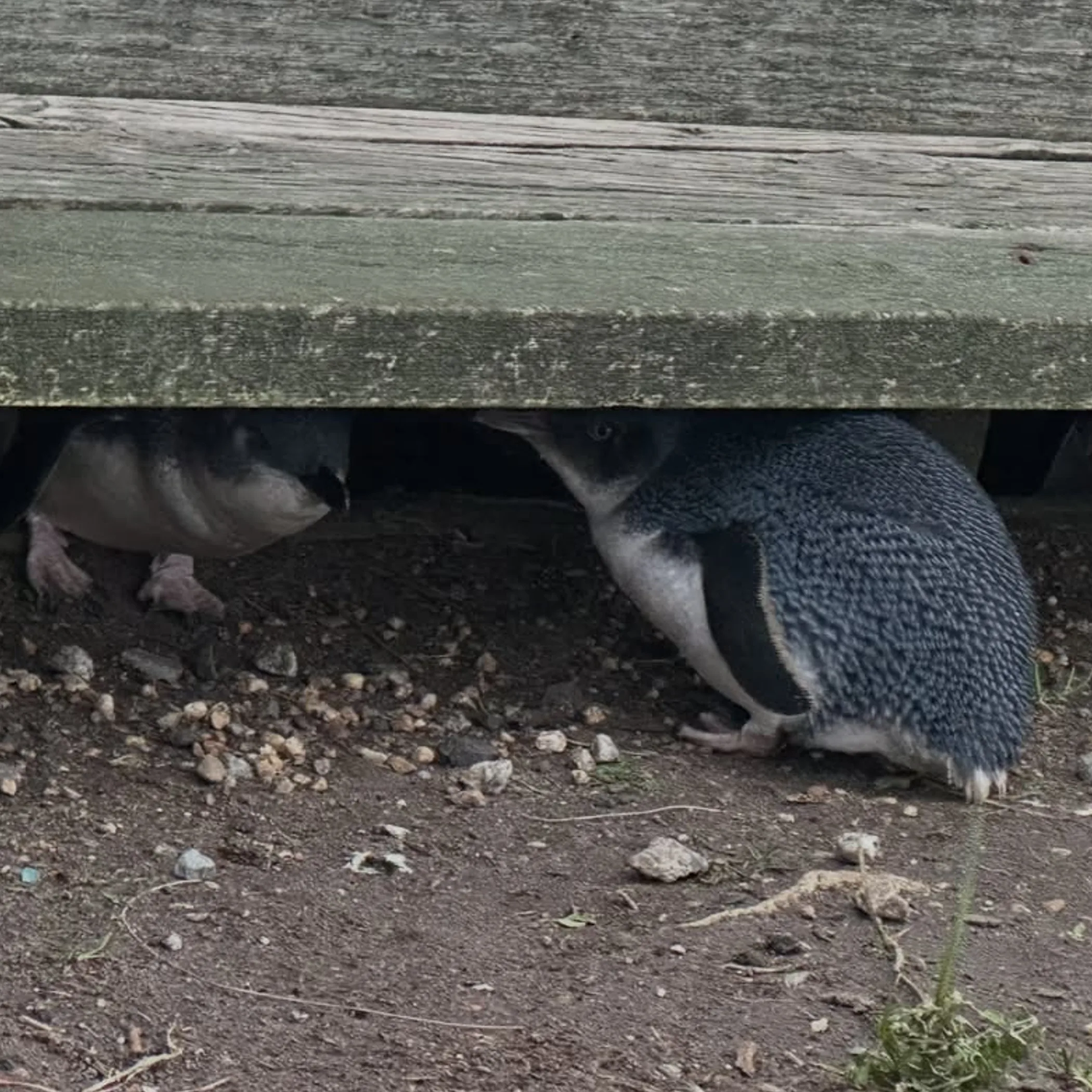
An encounter should be such that the colony is back to its normal ways once you have made yourself scarce. People will still put on a show of it with the wildlife, but the penguins are not obliged to make your social post look good.
The guidelines are simple enough: mark your path, be quiet, don’t touch the birds or use a flash, and let the dogs be unless you have been told otherwise. Do not stand in the way of their passage from burrow to shore. It is easy to overlook the simple things and come unstuck.
Make an early arrival so as not to put yourself in a rush or end up in a sensitive part of the area.
Red-light rules are to be observed only if the local management allows; one should not presume all sites are alike.
Put the children in order and have them understand that being still is preferable to making a fuss.
And if a penguin alters course on account of you, you are intruding.
Should you come across a bird in distress or entangled, leave any backyard heroics and put in a call to the local wildlife authority.
From what I have seen, the thing that stays with visitors is not the proximity of the bird but the sense of the colony falling into its evening rhythm, the calls and foot traffic, a bit of hesitation at the dune edge and the half-heard burrow reunions. Let us not barge in on the daily routine of a penguin like a toolbox has been dropped.
Evander Anderson’s Take
In Australia the little penguin lives by a straightforward cycle: feed off the coast, a careful return at dusk, shelter in the burrow, breed as the conditions permit and put up with moulting on land. Comprehend that and the behaviour of the little blue, be it rafting or the stop-start of coming ashore at night, is easily explained.
So plan to see them with some realism. Patient types will have the best of it on a low-light evening with decent colony management and an attitude to let the birds take the lead. It is an approach that serves you well with wildlife and much of Australian travel in general.
FAQ
Little Penguin Behaviour
A social seabird, they put in most of their feeding time at sea and tend to come ashore in the dim. Expect to see foraging, some offshore rafting, nest calling and defence of the burrow, with chick care taken on during the breeding season.
Daytime activities
For the most part they are offshore, resting or travelling on the water. A few may put in an appearance with food for chicks in the breeding period; moulting ones are confined to land as they cannot forage.
A Sad Truth
It is an unfortunate fact of life that human interference and predators will have a detrimental effect on the little penguin. Breeding success can be put at risk by the likes of dogs, foxes, road strike and poor lighting.
Five Things To Know
Eudyptula minor is the scientific name for the smallest penguin in the world. They are wont to come in after dusk, nest in a crevice or burrow and fast on land for their annual moult.
Where in Australia?
Phillip Island Nature Parks in Victoria is a popular choice, as are some of the southern coastal spots in other states and Tasmanian colonies under the watch of NRE Tasmania and Burnie City Council. For an ethical experience, go where the access rules and parking are in order and observation is properly guided.
