AI automation has put automation at the forefront of digital advertising in Australia this year, along with creative testing, social search, short-form video, social commerce and a more rigorous approach to measuring campaigns. For an Australian business the proposition is straightforward: make your creative of use to the right audience, get some real outcomes and do not be fooled into thinking a click on any platform is something to marvel at.
I am Evander Anderson, writing here from Fremantle on the kind of practical matters that have an impact on small businesses and the people who run them. In my view, digital advertising is no different to planning a long drive through Western Australia: you check your route, make allowances for what you might find and do not take the first sign you see as gospel.
What is changing in 2026
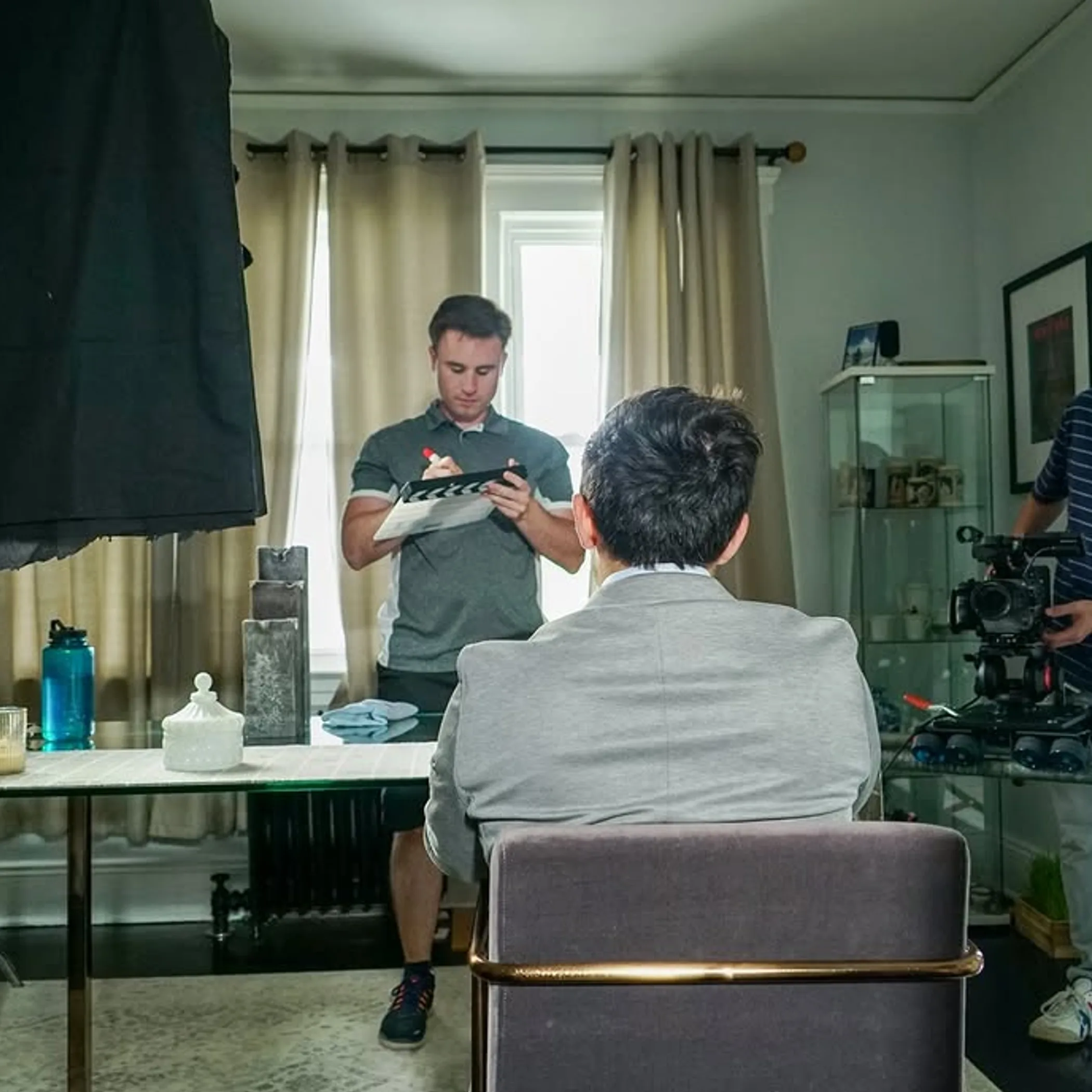
There is a marked shift from having to put your hands on every audience setting to providing the platforms with superior signals and conversion data. Advertisers in Australia will still need to exercise their judgement, but the nature of the work is being pushed further up the chain, informing online advertising strategies.
You are also seeing less reliance on one social feed or search result. A consumer can be introduced to you via Google Ads, TikTok, YouTube, an app recommendation or even an AI chat interface and make an enquiry without ever going to your website.
Better Inputs for Automation
Let AI handle the bidding, pattern recognition and putting audiences and creative in front of placements if you like. But it will not save you from a slow landing page, an offer that lacks definition or a tracking system that makes a sale out of a tyre-kicker.
Consider your AI-driven automation a good junior member of staff. Put in the time to let it learn, supply it with useful creative and unambiguous exclusions and accurate conversion events. And review what it has done before it runs your budget into the ground.
The Issue of Platform Dependence
Google, Meta, TikTok and YouTube are all significant, yet they have their own way of reporting and running their auctions. A campaign may appear in fine fettle on a dashboard until you factor in the cost of bad leads, staff hours and refunds and the profit is gone.
The ACCC has been making its position on competition and digital platforms clear enough for those doing business with a handful of tech firms. It is better for advertisers to have their own customer records and reporting than cede the relationship to an algorithm.
Performance Max and AI
In 2026 Google Ads are largely about automation, Performance Max in particular. With its automated placement and bidding it will put you in front of people on Search, Maps, Gmail, Discover and YouTube.
It works well provided you have the creative variety and conversion data to back it up. Not so much when you are dealing with minuscule budgets, a protracted sales cycle or a conversion action of little revenue value.
When to use Performance Max
For a business with a definite commercial action – a booking that is qualified, a high-intent enquiry or a purchase – it is generally the way to go. Do not mistake a form for a free quote as a paying customer.
If you can, bring in the offline results. Say a plumber has 100 leads and 20 of them turn into jobs; the system should know that. Lacking that it will simply optimise for the least expensive forms.
Common Errors
Some advertisers will turn on automation and after a couple of uneventful days write it off. You would not judge a trip from Perth to Broome by the fuel gauge at the first roadhouse and call it quits.
Set some guardrails and allow for a learning curve. Look at the lead quality, the brand suitability, the values of conversions and the terms and placements. Automation spares you the tedium but the responsibility is yours.
Creative over tiny audiences
A plain fact of the current Australian digital marketing scene is that you are better off testing your creative than endlessly slicing up an audience. The platforms are quite capable of locating the likely responders without you compiling a list of suburbs and demographic hunches.
Targeting is not obsolete but the format, the proof and the message will usually carry more weight. No amount of clever audience building will make a dull ad anything other than dull.
Put the message to the test
Do not alter a comma and say you have done your research. Pit a time-saving angle against one based on price, or a product demo against a story from a customer. Then measure it in a consistent statistical way. The formula for conversion rate is to take the number of conversions, divide by the clicks or visits that matter and put a 100 on it. To get cost per lead one divides advertising outlay by leads; return on ad spend is simply the attributed revenue over what was spent on advertising. Do not let the base go unheeded, otherwise percentages are little more than confetti.
A Rhythm of Testing That Is of Use
There is no call for a television studio in a small business. What is required is a process that can be run again and again to put forward a few credible takes on an idea. Vary the captions, images, the way you open, the length, customer objections and your call to action.
Be guided by the stage at hand when appraising creative. A video of brief duration might hold attention but fail to make a direct sale. You could have a testimonial that does not elicit as many clicks yet turns up better enquiries. Let the customer journey dictate how a campaign is measured, not some loud figure on the dashboard.
Short-Form Video and Social Search
In Australia 2026 social media marketing is more of a search affair. One will find Gen Z and Millennials turning to TikTok, YouTube or Instagram for a review, a local tip or to compare and see a demonstration before they bother with a conventional engine.
Short-form video has become as much for discovery as for amusement. The content should do its job: answer a question in short order, put the product on display or engender some trust in the business.
Get to the Point With Video
Forget a protracted logo animation and state the problem up front. In the first couple of seconds put in the pertinent detail and caption it so there is no need for sound. The mobile viewer is in a queue or on a train or feigning interest at a work meeting.
Local colour is of service. A barber in Fremantle can be informative about parking and what to expect in terms of appointment time. An operator in Cairns will tell you about cyclone alerts and wet season realities. There is more value in practicality than in polished waffle.
Know Your Platforms
TikTok will give you credit for a distinct personality and native content that moves along. For visual evidence, Reels, creator partnerships and direct messages, Instagram still has its place. YouTube is where you can put up a longer piece to address a serious buying enquiry as well as something for quick discovery.
One does not just put up a square ad in every corner. Change the aspect ratio, the opening, the call to action. The paid social trends of 2026 are for the kind of creative that is natural to the platform yet leaves no doubt as to the commercial next step.
Frictionless Social Commerce
The appeal of social commerce is in the proximity between the act of seeing and doing. Within a single platform a customer can be educated, supported and check out natively.
Retailers, educators and the like can make use of this convenience. But there is a risk in ceding some control of the relationship to the platform and parting with good first-party data.
Cautious Use of In-App Conversions
With native checkout and forms people are not made to type the same thing in again or load a new page, so completion rates go up. But before you scale, be sure the customers you are getting are worth the effort and can be contacted.
A lead form should qualify without being a mini tax return. Have consent on record in line with Australian privacy law and make the follow up prompt. Leave a lead three days and he has likely gone walkabout.
Safeguard the Relationship
Social is fine for converting and for being found, but where you can, earn the right to put in a word directly. Purchase history and service preferences from your own records will personalise things better than any platform can.
Collect your first-party data in a responsible and open fashion. It is not an excuse to put on a false moustache and trail people across the internet. Trust is more important than having eyes on everything.
Search Need Not Be Clicked
Zero-click is putting a different spin on visibility. With AI chat and Google AI Overviews a question may be answered by a featured result or map before anyone gets to your site.
You may see fewer visits but it makes accurate representation all the more necessary. Have your contact details in order, reviews to back you up and the trust of your brand.
AI Will Have Its Say
Put down in plain English who you are, where you are, the cost if you can and what is to be had of you. Do not obscure limitations. Whether a tradesman or a clinic, make your safety info and cancellation terms easy to come by.
Do not count on making an appearance in an AI answer from ChatGPT or Gemini. See it as part of good reputation and publishing, not an end run around it.
Measure More Than Traffic
Wrong answers can be had from looking at traffic in isolation; a drop in clicks is of no consequence if calls and bookings are up or your brand is top of mind. For that you have to put some tracking in place on the reliable data: phone calls, repeat purchases, direct enquiries, branded searches and assisted conversions.
As for the Australia digital advertising spend number, it is subject to change with every new market report from the industry. IAB Australia is as good a source as any for reporting at the market level but one should also be doing the sums on payback period, profit margin and cost per acquisition.
Adapt Your Campaign Route
Practicality and measurability will define the online advertising strategies of 2026, ones that fit what a business can actually handle. There is no reward for 500 enquiries when there is no time to field them.
Put the customer journey first and let that inform the channel. A national retailer might put money into video and social commerce while a local service provider would do well to have Google Ads and good reviews in place before committing to a big TikTok outlay. It is a matter of intent, creative supply, margin and how fast you can follow up.
A Working Checklist
- Pick the platform after you have defined the commercial outcome.
- Make sure high-value conversions are not conflated with page views and other low-value actions.
- Have a few creative angles ready before putting more budget behind them.
- Rely on first-party data, provided consent is in order and retention is sensible.
- You want to see the quality of a lead, not just the click-through rate.
- Put search, AI discovery, video and social under review.
- And for revenue, cost per acquisition and the like, have a 90-day baseline.
One Day to Spare?
Look at the campaign that is already putting in some work in terms of leads or traffic. See what the conversion action and landing page are like, how long an enquiry takes to get a response and the value of the customer. Go through the five advertisements with the highest spend and make sure the offer is plainly put.
There is no point in reworking an account in an afternoon. If the phone goes unanswered or the offer is hard to fathom, new targeting will not fix a slow landing page. Address the weak link in the route first.
Some Caution Is Warranted
An advertiser with a small budget would be wise not to try and cover all the bases on Google, Meta, YouTube, Instagram and TikTok at once. It only serves to up the cost of production and make the results opaque.
The same applies to businesses where compliance is strict or the decision cycle long; an extra round of review is called for before turning to automated copy or AI claims. A human touch is still valuable when reputation has been earned.
| Trend | Practical Opportunity | Main Risk | Useful Measure |
|---|---|---|---|
| AI-driven automation | Reduce the tedium of manual placement and bidding | Optimising for weak conversions | Qualified conversion rate |
| Creative testing | Better formats and messages | Too many variables in play | Cost per qualified action |
| Short-form video | Discovery phase reach | Views without intent | Enquiries and assisted conversions |
| Social commerce | A shorter path to purchase | Becoming too reliant on the platform | Repeat rate and completed purchases |
| AI Overviews and chat | Visibility pre-click | Website traffic becomes less direct | Total conversions and branded demand |
Frequently Asked Questions
In trying to get their heads around the 2026 trends, this is what I am hearing from most businesses. The answer is seldom “put in more money”, more often it is to measure what matters and put the next step within reach.
What Are The Key Trends In Digital Advertising For 2026?
You will see AI-driven automation, Performance Max, native checkout, zero-click search, social search and commerce, short-form video and a greater reliance on first-party data and Google AI Overviews. But the idea is to have better signals and creative, not to automate for the sake of it.
What Digital Products Are High Selling In 2026?
Without the relevant market data and a sense of the country, audience and platform involved, one cannot say. Any product with a smooth purchase process and clear value proposition will do well, yet it is down to trust, pricing and distribution as much as anything.
Is Digital Marketing In Demand In 2026?
Customers are using AI, video, social and search to find things so the need is there. That does not make for a sure-fire campaign. What employers and clients are after these days is the ability to tie advertising to revenue, some creative judgement and an eye for privacy.
What Is The 3-3-3 Rule In Marketing?
There is no agreed upon meaning for the 3-3-3 rule. Some will have it mean three channels, three audiences and three messages. A pithy label is no replacement for a proper brief so make sure you know which version is being put forward.
Should Small Businesses Use AI Advertising Tools?
They can, so long as someone is on hand to check the results and the offer is unambiguous. Set a budget you can live with and a review period and have one objective in mind. Do not let an automated system run wild with spending until you are sure of the value of its conversions.
Make 2026 Campaigns Useful
The trends in Australia this year are not about running after the latest feature. They are about being of use to the Australian consumer and making things easier to measure.
Apply first-party data to the customer relationship, automation to save time and creative testing to refine the message. Be honest with the numbers and with your claims. Even the most cleverly run campaign requires a person at the other end.
