Before you put pen to paper on a contract, the Older House Plumbing Checklist will see you through any expensive trouble. I make it a point to look past the new paint and gleaming tapware when I am inspecting an older property. There are issues with pipes, hot water systems, stormwater and drains that can wait until a cold shower or the first downpour to make themselves known.
In what follows you will find out what to be checking for, the cost of looking into typical defects and the time to put in a call to a licensed plumber. Do not mistake this for a building inspection; it is there to arm you with the right questions so as not to end up with a house full of concealed repair bills.
The Effect of Age on a Property’s Plumbing
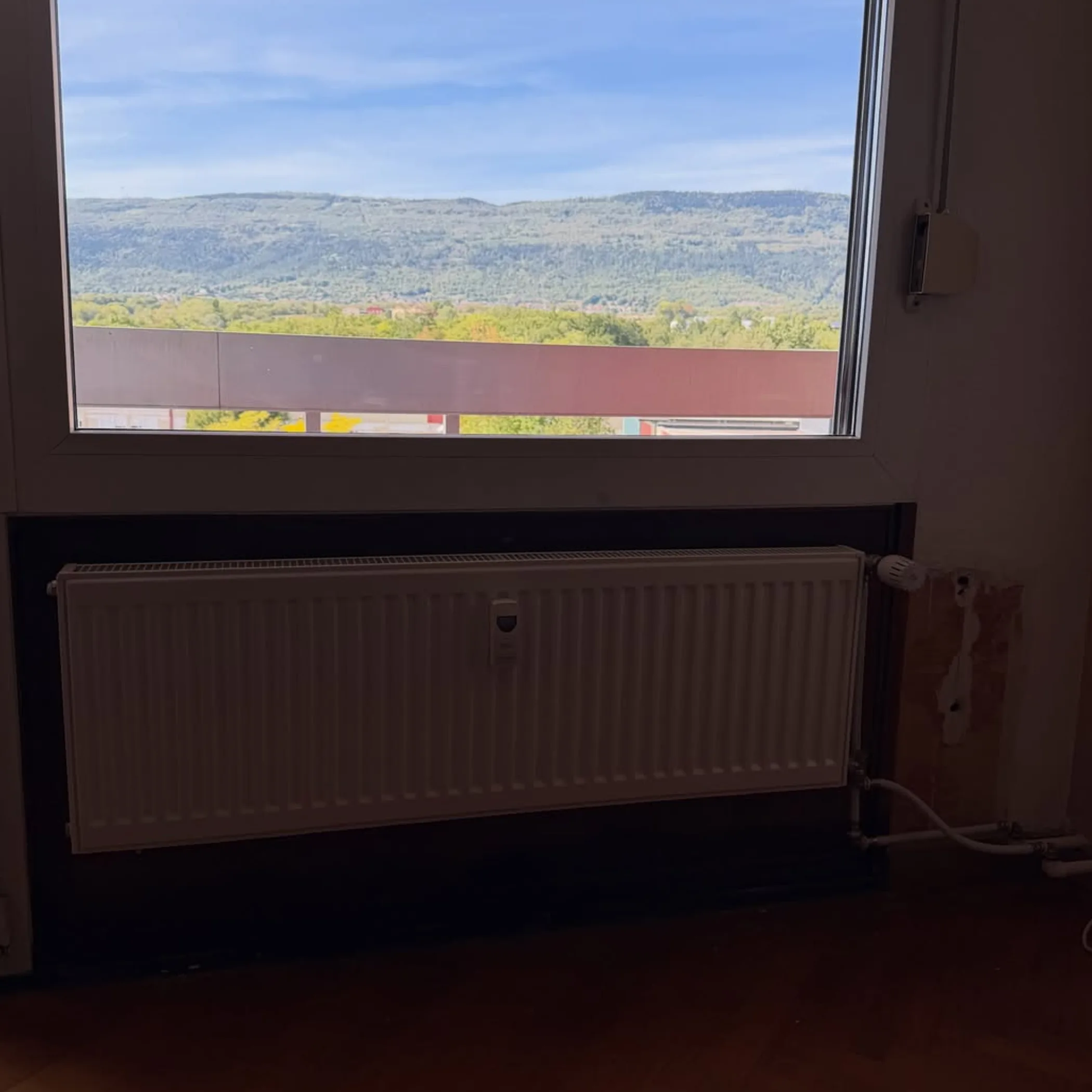
You will come across all manner of plumbing in an old home, from one generation to the next. The kitchen might have been done up in copper at some stage and the bathroom has plastic pipework, but under the floor are original galvanised steel. It could be a case of leaky luck or run without a hitch.
Knowing how property age impacts plumbing puts your inspection in perspective. The era of construction is no guarantee of a defective or unsafe house, yet it tells you something about the drainage methods, maintenance and the sort of pipe materials you are likely to encounter.
Get a History of the Plumbing
Put it to the owner or his agent: when was the last time the sewer lines, hot water system, kitchen and bathrooms were put in order? Have the invoices and compliance certificates handy, and any record of blocked drains or water damage. A new vanity is reassuring enough but do not assume the pipes behind it are of the same vintage.
Extensions and laundries that have been converted warrant a closer eye. Newer work may be in PVC whereas the older part of the house is earthenware. Where those materials are joined you can get shifting, cracking and tree roots. That is where the trouble starts.
Let Age Be Your Risk Indicator
If the plumbing is original and there is no maintenance to show for it, give it more of your attention. But use age to test, not as evidence of failure. In a coastal home the salt air will corrode things, and reactive clay soils cause movement of underground pipes. Then there are bush and regional properties with their septic systems, pumps and long stormwater runs. As much as the title search, the location is relevant.
What to Put on Your Inspection List
There is no need to put on a plumber’s act with a butter knife, or to be dismantling anything and crawling where one should not. Start with the obvious: operate the fixtures, note any moisture and put down the oddity. You can cross reference these with the report from the building inspector afterwards; a small symptom in a number of rooms is often indicative of something bigger.
- Run the taps in the laundry, outdoors, the kitchen and the rest of the house. See if they splutter or make noise, check the temperature and flow.
- Toilets should be flushed and you watch the cistern, bowl and adjacent wall and floor for any sign of a leak.
- Basins and tubs are to be filled and let drain. Any gurgling or slow draining, or water in another fixture?
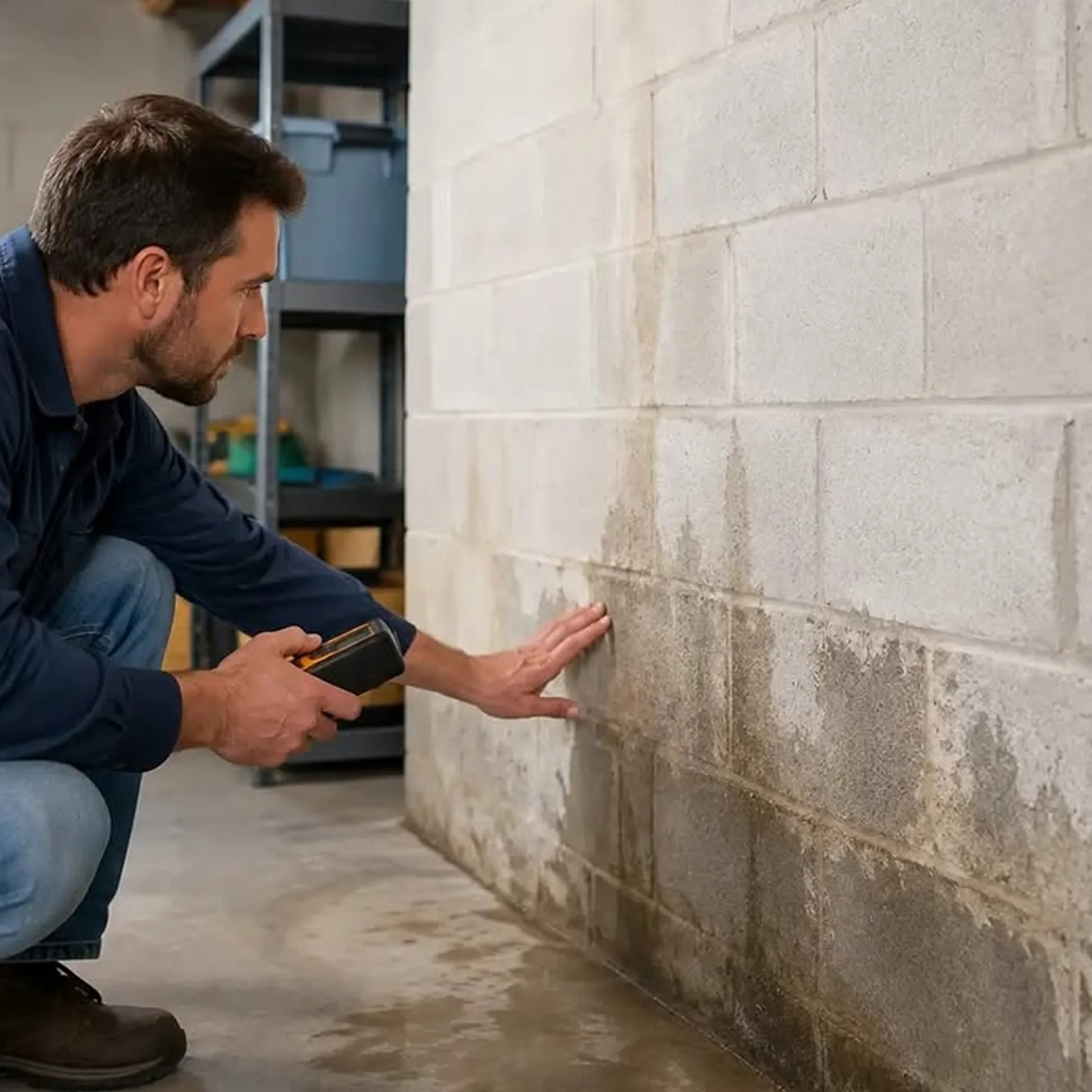
- Under the sink in the cupboards you may find rusted joints, mould, swollen cabinetry or dampness.
- Any fresh patching, bubbling of the paint or stains on the walls, skirting and ceilings near a fixture?
- Examine the tempering valve, relief pipe and the hot water unit for water or corrosion.
- See if downpipes and stormwater grates are discharging against the building or are in any way damaged or blocked.
With leave, take some photos and put the location on record. “Water stain in the rear bedroom ceiling” will stand up in the paperwork, “looks a bit dodgy” will not.
Put Fixtures to the Test
Ten seconds on a single tap will not tell you everything. If you can, have the kitchen tap running while you flush the toilet and the bathroom basin. Note any banging of the pipes or a sudden loss of pressure.
A thump or knock when a tap is shut off is water hammer. One off it is nothing, but if it is repeated it is a sign of excessive pressure, bad valves or pipes not properly secured. Do not let the inspector write it off as an old house making noises and ask him to have a look.
On Water Pressure
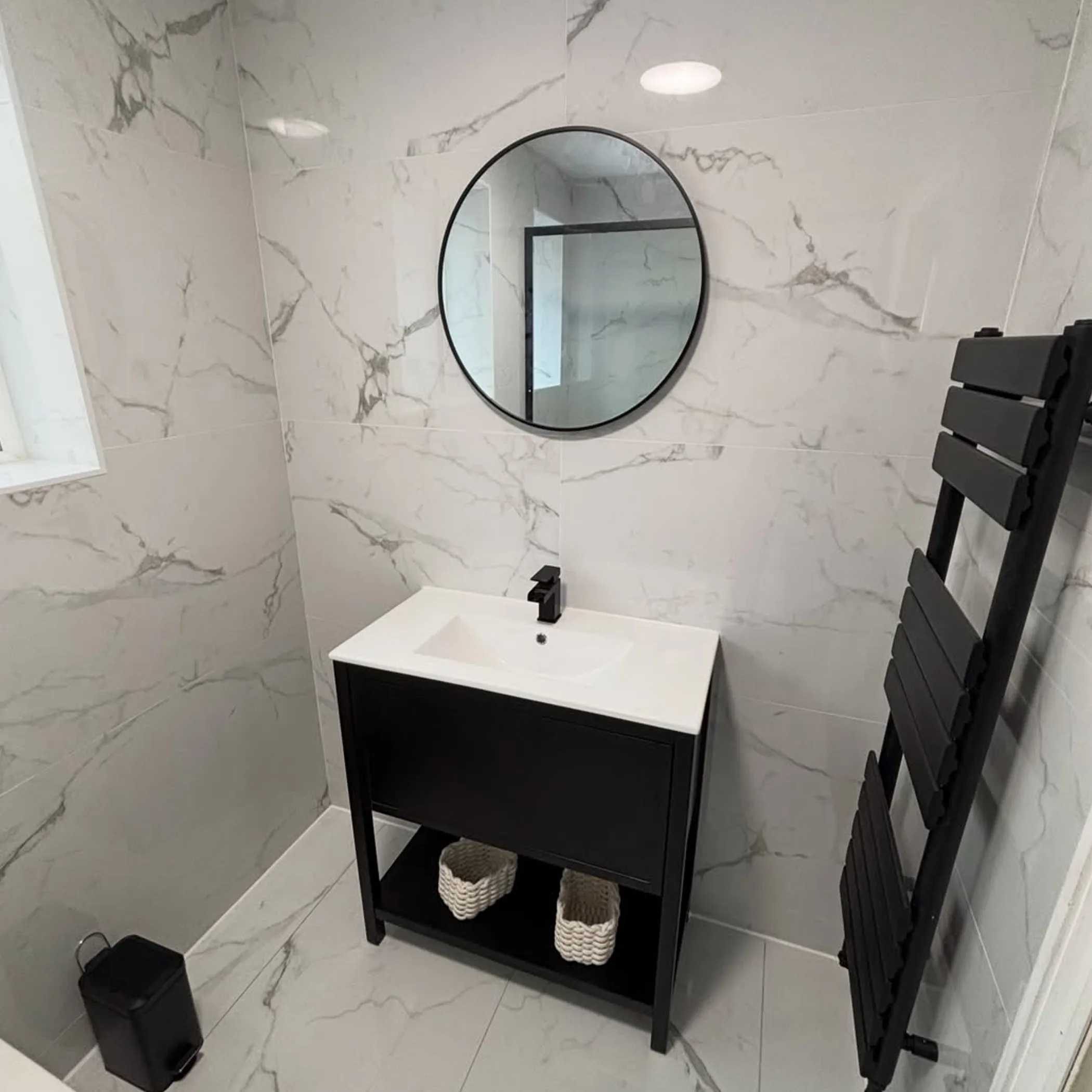
Showers, the general liveability of the place and your appliances are all at the mercy of water pressure. Should the flow be weak it could be the incoming supply, a pressure reducing valve, something blocked or just the age of the pipework. A single shower rose is not to be taken as the measure of pressure. With a rose only half clear, the entire house can appear to have poor flow. One should put several outlets to the test and see how the flow is affected by other fixtures in use.
Test Flow Across Fixtures
Make full opening of the kitchen tap and do the same at a bathroom basin or in the shower. Observe if the flow is even or has a pulse to it. Put each tap off in a slow fashion and you will hear any banging, whistling or vibration.
It is worth inquiring as to whether there is a pump or some device to limit the pressure on the property. In rural areas one may find bore systems, tanks and pressure pumps that will make for different plumbing than in a suburban home on the mains.
Should the pressure seem wanting, a plumber with a gauge can put a number to it. That is of more value than a buyer’s opinion that the shower was “a bit average”. Have the reading put down along with the location of the test and what else was running.
Spot Slow Drains Early
From one end of Australia to the other, an old house is apt to have its share of slow drains. The culprit could be tree roots, a lack of fall, damaged pipes or an accumulation of grease, soap and hair. Even a drain that yields to a plunger might have something deeper at work.
Give the drain a proper test with water, though there is no need to overflow a fixture. Be on the look out for gurgling, the smell of sewage or water from a nearby toilet flush making its way back into the shower; any of these would warrant a closer look before one buys.
Toilets, Sinks And Leak Signs
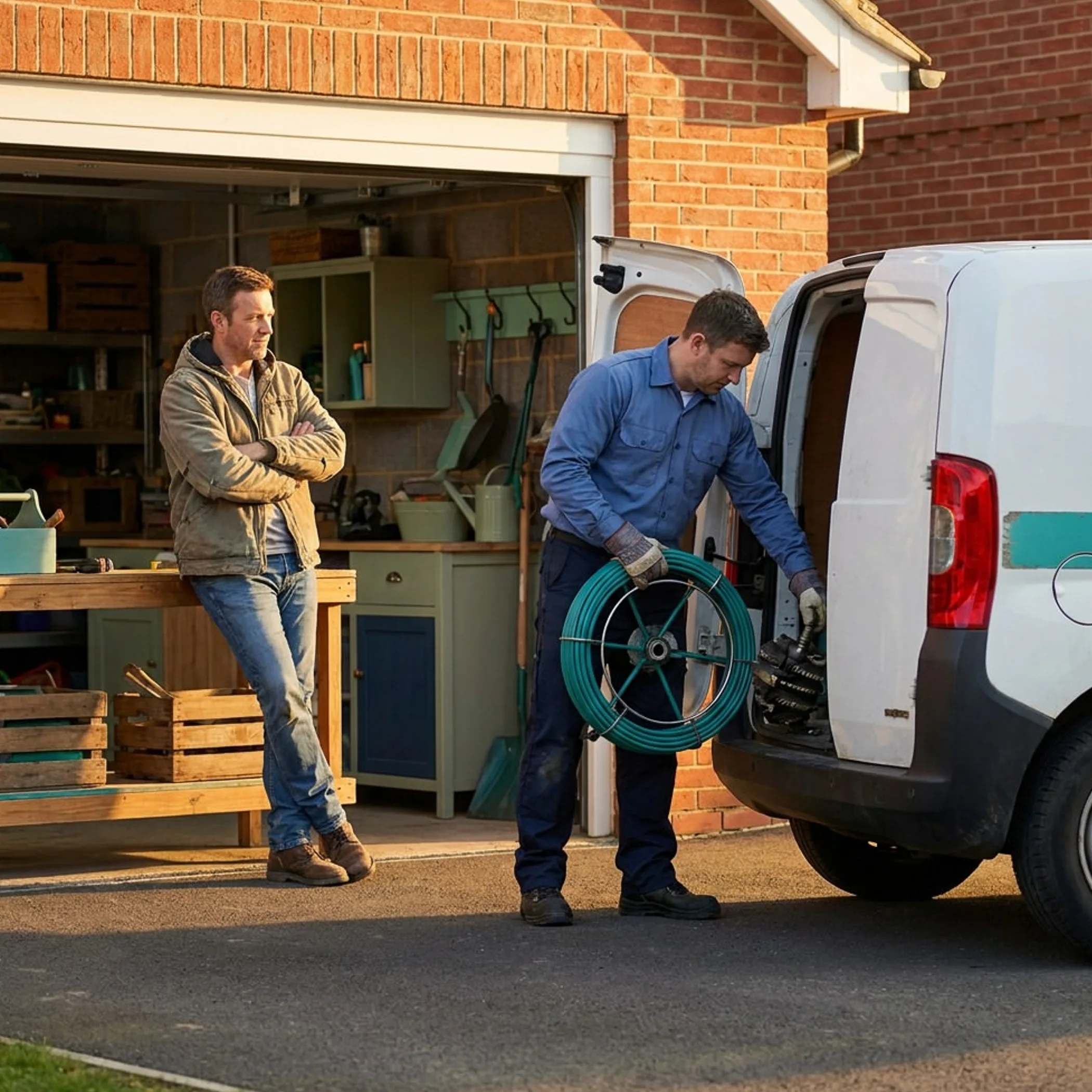
For the house buyer, toilets and sinks are where plumbing red flags are most readily found. They are also located in walls, under floors and in cabinets where a leak of any size can do considerable damage unobserved.
The majority will see if a toilet flushes and leave it at that. A more thorough examination covers the cistern and pan, the isolation valve and the wall behind the toilet as well as the floor connection.
Inspect Toilets And Cisterns
Put each toilet through a few flushes. The cistern must refill without running on and the pan should be solid. Any staining at the base, softness in the floor, damp grout or a mustiness is cause for concern.
There is no point in thinking a new line of silicone has put right a problem. It is no more reliable in concealing movement than fresh paint is at covering a ceiling stain. A toilet that runs is a simple matter of a valve repair and wasted water, but if the base is moving it is likely the seal has gone or the flooring is compromised.
Look Beneath Sinks
Open up all the cabinet space under a sink. Where it is safe, run a hand over the cabinet floor and underside of the benchtop for any swelling, discolouration or mould. Examine the flexible hoses for kinks and corrosion at the ends and the isolation valves for rust or evidence of a past leak. A cabinet that gives off a damp odour yet looks dry calls for some questions as to whether it has been put right or cleaned of late.
Taps that leak are not usually a worry, but they will eventually take their toll on cabinetry and floors. If the water is brown it could be old pipework, internal corrosion or sediment being stirred up. Try the cold then the hot and note any change in colour or smell.
Hot Water System Checks For Older Homes
Buyers tend to be preoccupied with the kitchen and bathrooms and so the hot water system can come as an expensive shock. An inspection needs to factor in the unit’s age, energy source, capacity and condition.
Age is not everything; a newer unit may have been put in badly and an older one could be in fine working order after good maintenance. What matters is if there is enough service life left for your budget.
Check The Unit And Pipework
Photograph the installation label or date plate. See if there is rust or pooling of water at the base, check the insulation and listen for anything unusual. Make sure the relief valve discharge pipe does not just spill beside the house but terminates in a safe manner.
Find out if it is electric, gas, heat pump or solar (which will have a backup to inspect). In the winter a system that coped at a summer open home in a cold part of the country will have trouble when everyone wants a shower.
Get servicing records and be sure any alterations were done by a licensed tradesman. Do not go about removing covers or tampering with gas connections.
Allow For Replacement Timing
If the unit is coming to the end of its days, plan for a replacement in your offer. Do not rely on figures you see online for a guess at the cost; between disposal, labour and electrical work the total can be quite different. Get a written quote.
Be prepared for some disruption in the course of a replacement. A tradesperson will have to shut off water and power, make his way down a narrow side passage or putter about in a cupboard; it is not the most attractive side of owning a home but you will see it on the bill.
Old Pipe Materials And Red Flags
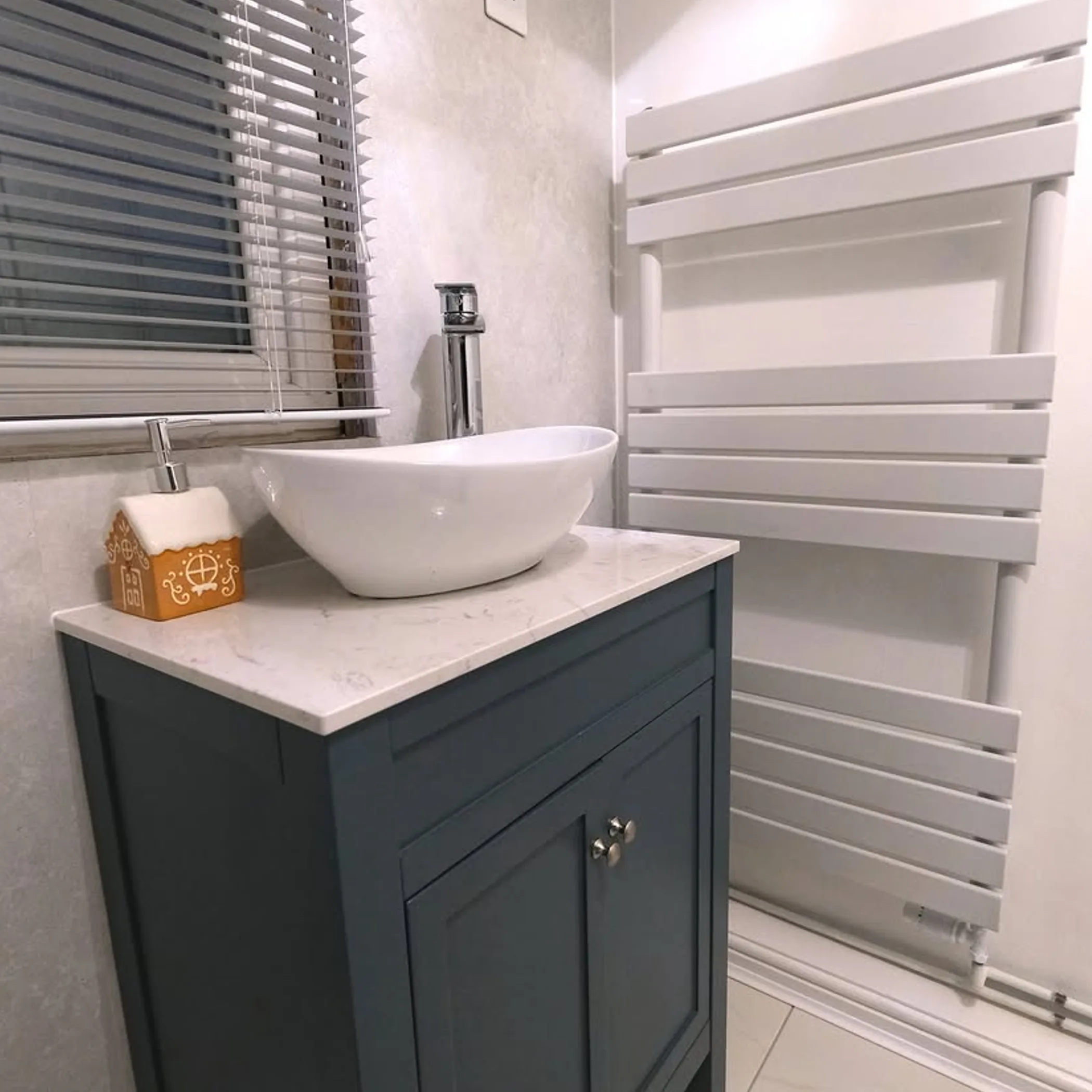
The kind of pipe materials found in an older house have bearing on the quality and dependability of the water, on what comes up in insurance talks and on the cost of any future repairs. A visual check will not turn up every pipe, particularly if they are under a slab, in the wall or below an old garden.
Have a licensed plumber or building inspector put a name to the visible materials and tell you what he cannot confirm. Put aside any claim from the seller that “the plumbing was done years ago” unless there is documentation to back it up.
| Material Or Issue | What You May Notice | Why It Matters |
|---|---|---|
| Galvanised steel pipes | Rusted joints and fittings, discolouration, low flow and rusty water | Corrosion within the pipe will limit flow and lead to leaks at the threads. |
| Lead pipes | Service lines or fittings of a certain age with little to show for it | A qualified professional should be consulted as to whether these need to be replaced. |
| Polybutylene pipes | The odd grey plastic in some of the older renovations | Reliability can be in question depending on how and when it was put in. |
| Asbestos cement pipes | Components of the sewer or stormwater system that are hard to come by or buried | Leave suspected material alone. Do not cut or drill into it. |
| Earthenware sewer pipes | Tree roots, cracks, blockages and out of place joints | To repair underground is an exercise in excavation and expense. |
Any disturbance to material thought to contain asbestos should be preceded by reference to Safe Work Australia’s safety guidance. There is no telling by eye and breaking it up is a health hazard.
Defects As Opposed To Cosmetic Fixes
A new tap and some fresh grout in the laundry might make for a better showing but does not address the pipework. Take note of any new plaster on a pipe, an access panel that does not fit in or paintwork in the bathroom that is not as old as the rest.
Such things are not evidence of a hidden defect, they are just an indication of where a professional opinion would be worth having.
Stormwater, Subfloor And The Outdoors

From the street the house may be well kept but water is indifferent to that. Dampness under the floor, a broken downpipe or stormwater that is blocked will have its effect on the walls, floors, foundations and the air inside.
One can inspect after a rain or look for the marks of the last wet weather. In the north cyclone season will lay bare any weakness in the drainage in short order; in the south a winter rain will show up what a dry summer inspection would miss.
Follow Where The Water Goes
Downpipes should be emptying into something functional and lawful. Be on the lookout for ponding around footings, erosion, leaf and mud clogged grates and staining at the bottom of the wall. If a downpipe terminates by the footing it is inviting dampness and soil movement. Find out who is responsible for the stormwater connection and if easements are an issue.
Subfloor
Provided it is safe to do so, get under the subfloor and check for mould, standing water, damaged insulation, corroded or unsupported pipes. Dress accordingly and stay out of confined or contaminated areas.
Dampness down there could be due to a number of things: a leak in the plumbing, surface runoff, lack of ventilation or a stormwater system that has given way. The plumber will look at the plumbing side of it, the building inspector at the structure and moisture damage.
Having A Professional Look
If there are visible problems or scant records, or the hot water system is due for a change, then an inspection of the plumbing is in order when buying an older property. This applies to a house with a history of extensions or one that has been piecemeal renovated. Low pressure and blockages are also cause for concern.
A general building inspector will spot what is there to be seen in the way of plumbing but will not be doing pressure tests or detailed identification of the pipe material. The scope of an inspection is for a licensed plumber to set, and he will put forward any further testing that is called for.
Testing: Make the right choice
Underground pipes that are within reach can be put under a CCTV drain inspection to reveal tree root intrusion, a heavy build-up, any cracks or displaced joints, even a collapse in the line. Do not expect it to cover every shared or private line as a matter of course; find out which sections have been tested and if the camera made it to the street connection.
Do not be swayed by a report that looks good on paper but is replete with vague warnings. Call for tests with a purpose. On some properties you may want a water pressure reading, an assessment of the hot water, leak detection, a moisture check or a drain camera run.
- At the open home make your own visual checks of the fixtures.
- Put your observations side by side with the building inspection and what the seller has put in his disclosures.
- Have a licensed plumber look into any particular concerns and put some likely repair options on the table.
- Get written quotes for anything pressing and sensible figures for future replacement.
- These are the facts on which to base a decision to go ahead, renegotiate or put the property aside.
Time is short? If you are making a call in a day then the hot water system, toilets, slow drains, visible leaks and water pressure should take precedence, along with any underground sewer issues. A nice bathroom is not as urgent as a cracked sewer line under the driveway.
Some Questions Buyers Ask
When one is buying an older home these are common enough to warrant a short answer so as to put ordinary maintenance in perspective from real risk.
How does one pass a home inspection checklist?
Not like a vehicle passing its registration. The building inspector is there to note defects and the state of things that are in plain view. Be open about what you know, leave the property open for him and if the report leaves room for doubt, put in for a specialist plumbing check.
What kind of renovations devalue a home in Australia?
You will not find a definitive list since it is a matter of location, how well the job was done, buyer sentiment and the expense of putting it right. Buyer confidence wanes with shoddy bathroom work, unapproved changes, concealed shortcuts in the plumbing or finishes that are trouble to maintain. Hold on to your invoices, permits and compliance papers.
Bathroom renovation pitfalls
One should not put a cover over an old leak without addressing the source, nor use fittings that do not belong there or neglect the floor waste and ventilation. An attractive fixture is no substitute for proper drainage or pipework you cannot get at. Before the walls and floors are put in place have the layout of the plumbing verified.
Inspecting the plumbing of a house you intend to buy
Test the drains, run the taps and flush the toilet, see what is in the cabinets and have a look at the hot water unit and outdoor drainage for any staining. Should the pipe materials be of an age or something seem amiss, bring in a licensed plumber for some targeted testing. Consider a pre-purchase checklist a point of departure, nothing more.
Is old piping an automatic deal breaker?
Hardly. Newer plumbing will fail if it is put in badly or gets damaged; old pipes can be safe. It is the material, its condition, how easy it is to access and the cost of a replacement that count. Be honest in pricing the risk instead of being put off by the word old.
A clear head for the decision
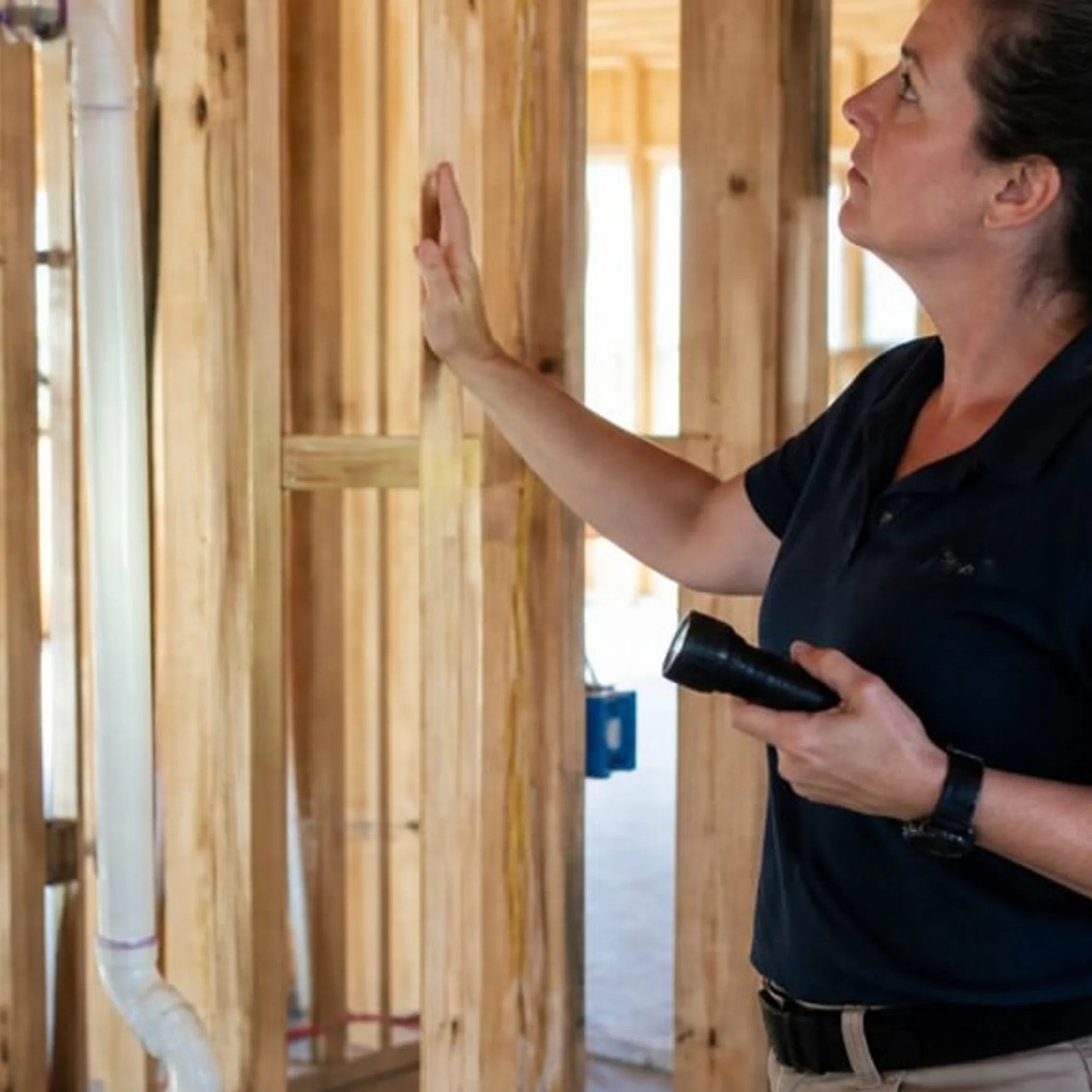
There is a straightforward checklist for the Australian buyer of an older house: test where you can, put down what you see and put your money towards expert opinion if the evidence is wanting. Do not let paint colours draw your attention from subfloor moisture, stormwater, the hot water, drains and the like.
I have a rule to regard an unexplained plumbing symptom as a question mark, not a calamity. Some are routine, others are telling of costs you have yet to see. Write up the facts and factor in what an Australian trade will charge in AUD before you decide, with your head if not your heart.
