A Guide to the Solar Panel Squeegee
There is no safer way to go about solar panel cleaning in Australia than with cool panels, clean water, a soft rubber blade and due regard for the roof underfoot. While a squeegee will do away with bird droppings, dust, salt and pollen, you can make more of a nuisance of yourself with a wobbly ladder or the wrong kind of blade and chemical than a soiled panel ever would.
My name is Evander Anderson. I put the same sort of care into a household chore as I would on a rough bush track: see what the conditions are like, have the proper equipment at hand and do not be under the impression that a shortcut is a clever thing. In this guide I set out how to use a squeegee on your solar panels, the merits of doing it yourself versus calling in a pro and where most people err.
Do Not Damage Your Panels
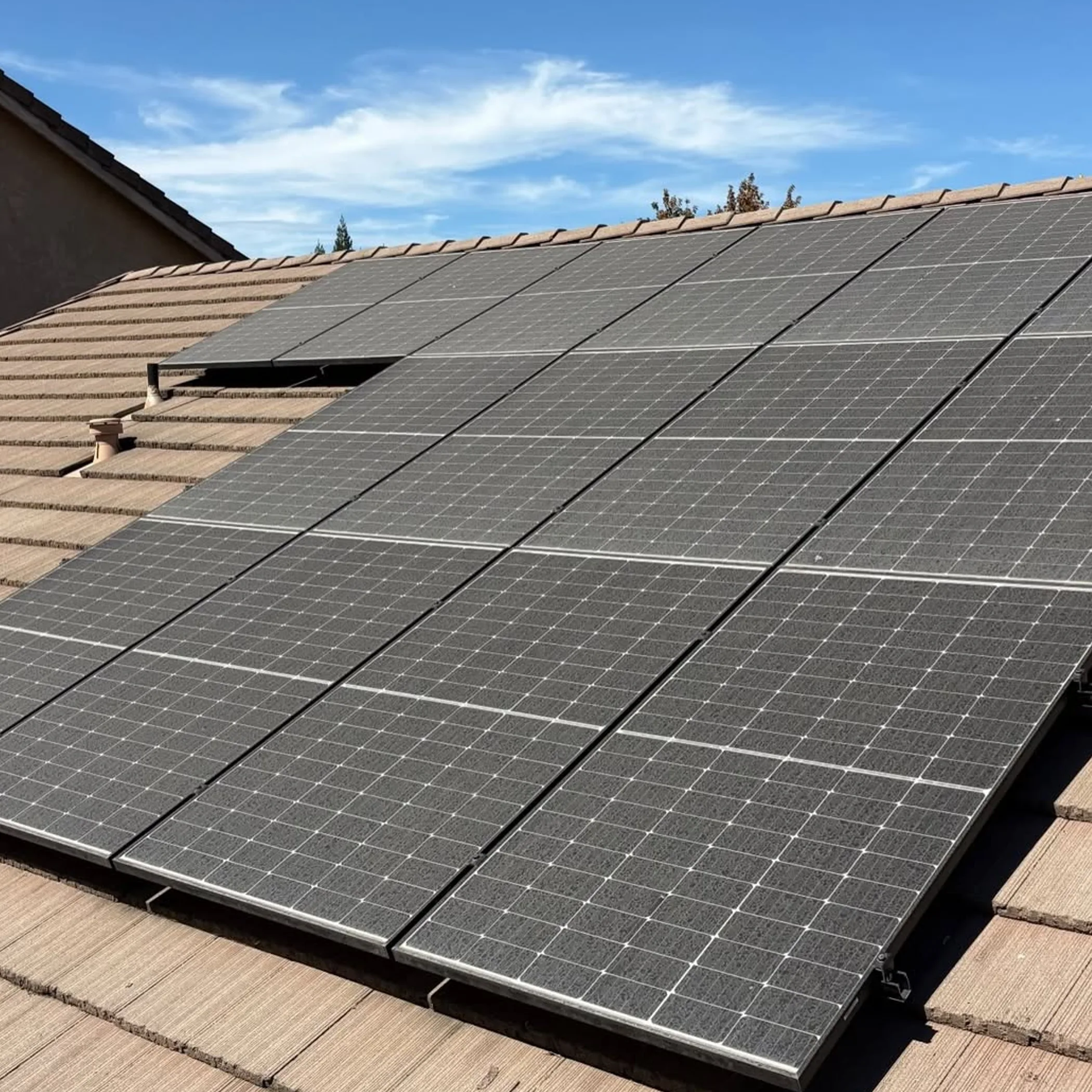
A hard scrub is not called for; a gentle touch is what the panels need. selecting the right squeegee can also help. You want to get the dirt and dust off the glass and then rinse and dry it down without any mineral marks or scratches to show for it.
Take some time to peruse the manufacturer’s guidelines for your system first. They may have stipulations on products, water quality or procedure and it is worth abiding by them if you wish to keep your warranty intact.
Assess The Conditions
The glass should be cool, so make it a morning or late afternoon task. Hot glass will leave streaks as the water dries and a dash of cold water on a hot surface is an invitation to thermal stress. Pick a day that is calm and dry, well clear of any storms or strong winds.
Then there is the Australian element to consider. In the Top End the wet season will do some of the work but the humidity and birds can put down their mark. Out in the Red Centre or Pilbara a long dry run will put a fine coating on things that rain alone does not wash off. Salt is a fact of life for the coastal home, red dust for those inland and farms bring with them soil and pollen.
Have The Right Gear
You do not need to fill the ute, but the equipment you do have should be of a quality that will not put a film or a scratch on the glass. And it should be clean before it comes in contact with the panel; a bit of sand in the cloth or blade has a way of acting like a miniature bulldozer.
- See to it you have a good squeegee with an unblemished soft rubber blade, a soft brush, a bucket, deionised or rainwater, a microfibre cloth, a telescopic pole, gloves and non-slip shoes.
- A hose with a mild flow is fine provided the manufacturer is ok with it. Put away the high-pressure cleaners, scourers and strong detergents.
Be Selective With Your Water
Deionised water is a good choice on account of its lack of dissolved minerals, which means no hard water stains once it has dried. Hygienically stored rainwater will serve you well too. Tap water is acceptable in places but hard water will evaporate and leave its pale spots on the glass.
Do not be fooled by a sparkling bucket, the water can be clear enough and still have minerals in it. Should you use tap water, give it a good rinse and see to it the rubber blade gets the rest of the water off.
Squeegee With Care
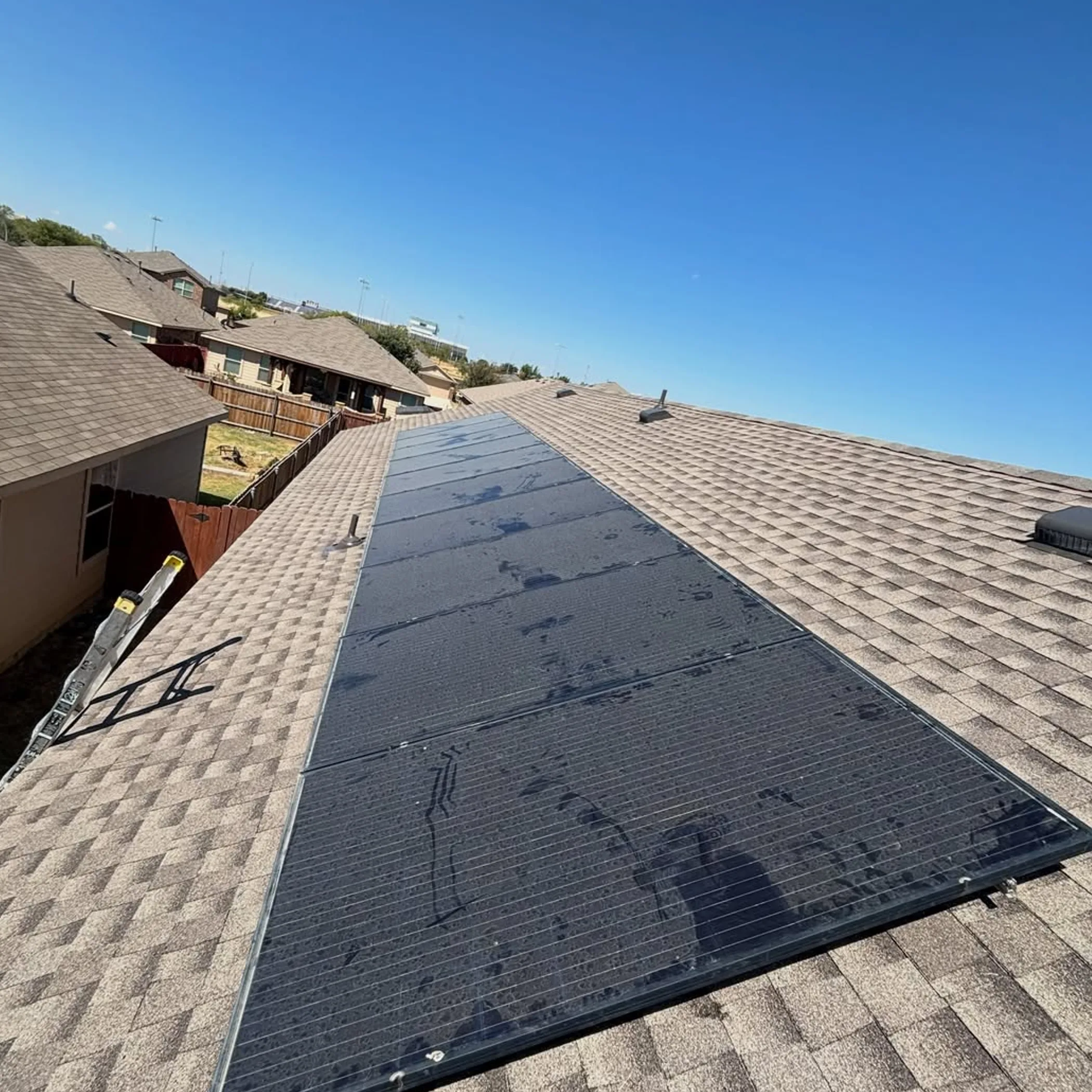
Speed is not the objective here. One should loosen the dirt prior to putting the squeegee to the surface and then make controlled passes to take the water with it.
In good conditions figure on 30 to 60 minutes for a small array, longer if you have to contend with old bird droppings or awkward access.
- Isolate the system if the manufacturer or a professional says to do so and have a look from the ground for any tell tale signs of trouble such as cracked glass, loose wiring or nesting material.
- While the panels are cool, give them a light rinse with clean water to get the grit out of the way.
- For anything more tenacious like dried bird droppings a soft brush will do the trick. A hard edge is no way to go about a dry dropping. Wet it and let the water do its work in softening it before you make any move on it.
- Work on a section you can handle and put some clean water on it. Where a cleaning solution is allowed, stick with something mild and one that has been sanctioned for the system; there is no point in using a household detergent that will put down a residue and draw in more dirt.
- With the squeegee, take light, even pressure and draw it down from the top of the panel. Make your passes overlap a little to preclude narrow streaks of water being left behind.
- And be sure to put a microfibre cloth to the rubber blade after every pass, a dirty one will only put streaks on and spread grit.
- Should you find any residue, rinse the panel over. A dry microfibre is fine for the edges and frames so long as they are within reach, but do not put your weight on the panels.
- When you have finished, look at the surface from all sides for any damage or hard water marks and bird droppings you may have overlooked before you put things away.
Dealing with Stubborn Marks
The bane of most people is bird droppings which have dried into a hard patch. Douse the spot with cool water and if necessary wait a few minutes and do it again. Put in a soft brush, it is better than putting a blade or credit card to it.
Salt deposits are not to be forced. Have patience, squeegee gently and give them a good rinse with the right water. White marks will tell you to put down the specialist cleaner and see what the manufacturer says. You want a finish without streaks but not at the expense of the panel coating.
Squeegees
It is the blade you should be looking at when choosing a squeegee, not the colour of the handle or what the packaging claims. For solar panels you want a flexible rubber blade, a solid connection and a handle for controlling the pressure.
An old window squeegee will suffice provided the rubber is in good order, but a stiff or cracked blade has had its day. The glass on a solar panel is durable but not indestructible.
Tools and Access
On a low carport a short handle will do nicely for ground-level panels. A telescopic pole might save you from having to climb to roof-mounted ones but the risks on the roof are still there. In windy conditions or near gutters and power lines a long pole can get in the way.
As for width, a very wide blade covers more of the glass but is apt to twist and be hard to manage. For domestic use, especially with limited roof access, a medium-width head is preferable.
| Panel Condition | Suitable Approach | Main Risk To Avoid |
|---|---|---|
| Light dust and pollen | A gentle rinse and a clean rubber blade | Do not drag dry grit on the glass. |
| Dried bird droppings | Soak and soften, then use a soft brush | Metal or hard plastic scrapers are out. |
| Coastal salt film | Controlled squeegee and several rinses | Letting minerals dry is the risk here. |
| Heavy grime | Call in a professional or clean in stages | Leave the pressure washers and harsh chemicals alone. |
Australian Roofs
For the most part, cleaning solar panels is an exercise in safe roof access. There are genuine hazards in the form of sloping tiles, corrugated iron, wetness, heat and electricity overhead. Not worth ending up in the emergency department for.
Safe Work Australia has official advice on falls from height that should be read before any work is done above ground level.
Know When To Stay On Ground
There is no need to be on the roof if you do not have the equipment or the confidence to be there safely. Moss, dew and overspray can make a roof as rough as guts, and in older homes fibrocement could well be laced with asbestos, so leave suspect material be.
No metal poles in the vicinity of electrical infrastructure and do not set foot on the panels or frames. If you find yourself having to balance or stretch to get to a panel, you have your answer.
Watch Heat And Weather
Mind the weather and the sun. It is easy to dehydrate in this country. Put on some protection and have a drink. And if there is a BOM warning, lightning or high winds, do not bother. Up north in the cyclone season between November and April roof work will have to be put on hold.
See to it that equipment is put away where it will not present a trip hazard. Doors, stairs and the way to the switchboard should be left clear of hoses and buckets. Should you have someone to work with, make sure you are in accord as to where the ladder and tools are to be placed before you let the water run amok.
Cleaning To Suit The Season
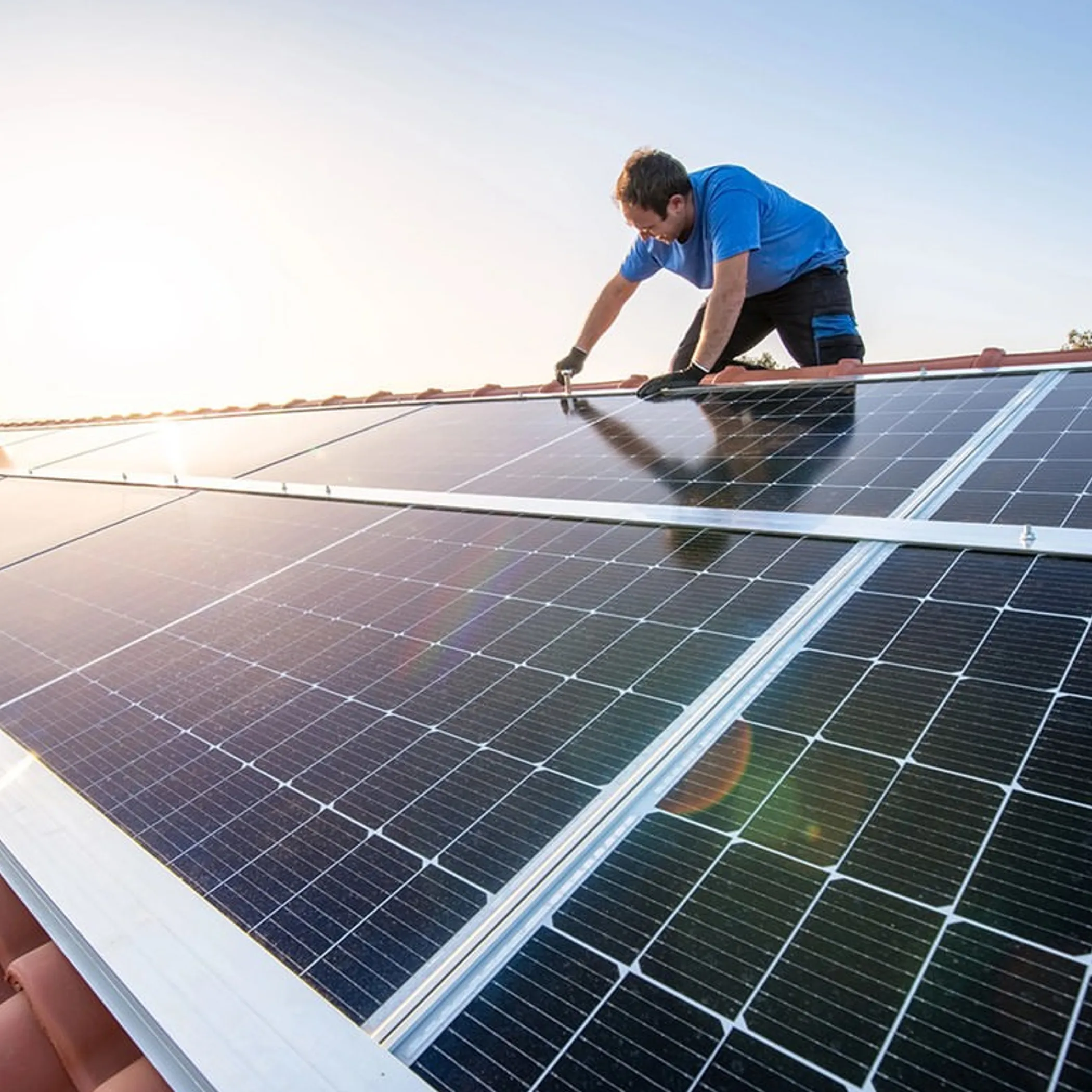
Australia has no one size fits all cleaning calendar. A property on a dusty road or a suburban home under trees that draw in birds demands its own brand of care, as does a place by the coast.
Rain may take the loose dust with it but do not expect spotless panels for that reason alone; rainwater can leave its mark once it dries after having collected salt, roof residue or dust. After a storm a dry spell will put an end to any pretence and show up a film that was not there before.
Let Performance Be Your Guide
Unusual activity will show on the inverter app or monitoring system, yet one should not put every loss of output down to dirt. Generation is subject to inverter faults, network problems, the angle of the sun, cloud and shade. Make comparisons of like periods and weather.
To put numbers to real world losses: say a 6.6 kW system put out 24 kWh in a day, then a 5 per cent reduction would be 1.2 kWh. That is a straight calculation, not a guarantee. How much dirt actually matters is a matter of the panel, the system’s condition and the elements.
A Reasonable Cleaning Schedule
Three to six months between inspections is what works for most homes, with a clean when there is visible build-up or the monitor indicates something unexplained. More regular work is called for at some properties, particularly those in the vicinity of the ocean, farms, construction, large trees or main roads.
Make it a habit to have a look in after building work in the area, protracted bird activity or a long dry. You might clean ahead of the height of summer if access and conditions allow, but there is no prize for putting in the polish in a heatwave.
The One-Day Rule
One day only? Then put your efforts into the panels you can get at and which have a coating of dust, salt or bird droppings. Put the inverter reading on record and photograph the array before you start and after you are done. It makes for a serviceable record without the pretension of a laboratory test.
Those who can do so from the ground or a low-level platform that is properly secured can handle their own solar panel cleaning. Not so for the beginner faced with a steep roof, fragile roofing or electrical hazards.
When To Put It In The Hands Of A Pro
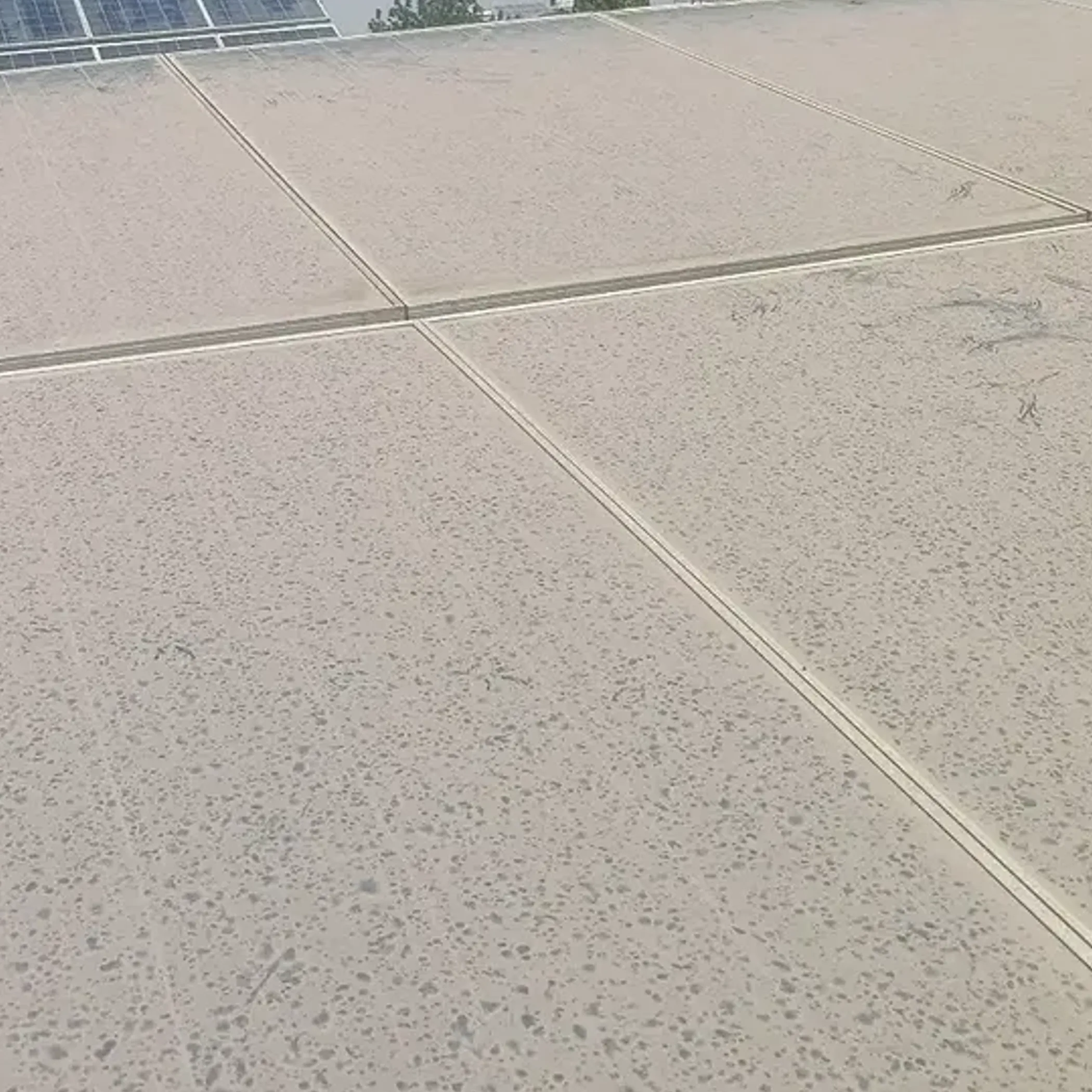
If the array is big, the roof is not forgiving or the panels have been left to their own devices for some time, professional cleaning is worth the outlay. They will spot things from the driveway you might not, such as unsafe cabling, a defect in the roof or cracked glass.
Find out on what they will use for water and equipment, that they are insured and will eschew pressure washing and abrasives. For a single storey array the cost is dictated by location, how dirty it is and the number of panels. Get a quote in writing instead of going on the word of “a hundred bucks or thereabouts”.
Red Flags
An honest operator knows that conditions differ from home to home and will not put his name to a set percentage gain in efficiency or insist on strong chemicals. Nor should he be walking on the panels or using a pressure washer sans manufacturer approval, nor be unable to account for fall and electrical risks. A damaged system is of little consequence if the panel is clean.
FAQs
Is a squeegee alright for the job?
You can use one on cool panels provided the rubber blade is soft and in good order. Rinse first and do not be heavy handed, and never on dry, gritty glass.
What does one do in Australia?
Generally a controlled squeegee with suitable water and a soft brush to get at debris. But local conditions, be it hard water or coastal salt, will dictate the interval.
And what to shun?
Anything abrasive, metal scrapers, harsh solvents or household chemicals of the stronger variety, as well as high pressure unless the maker says otherwise. They will scratch and mar the seals.
Will dirt see a drop in output?
It can, but the extent of it varies. Do not be quick to think it is dirt; check your data and look for shading or a fault in the equipment.
How often is enough?
Every three to six months to inspect, more if you are close to the coast or a farm. Rain is not a thorough cleaner.
Is it safe to do it yourself?
Only if you can stay off the roof and adhere to the guidelines. If you have to improvise to get to a wet, steep surface or are near power lines, it is not. Have a qualified person do it.
A Safer Way To Go About It
Good practice with a squeegee is to inspect, make sure the panel is cool and the grit is rinsed away and to desist if you are unsure of your footing on the roof. I have a simple rule: if it calls for more courage than gear, hire someone. Better maintenance is fine, but no streak free panel is worth making a story of the fellow who thought he could outsmart gravity with a bucket.
