Permitting for Remote Parts of the Northern Territory
The first thing to do when planning a trip to the more out of the way corners of the NT is to find out who has control of the land. That is the cardinal rule. In the Northern Territory a good deal of Aboriginal country is home to the communities, beaches, walking tracks, camping and remote routes where one might be asked for a permit to fish, film, bushwalk or simply pass through.
There is no all encompassing permit. Permission for any given area comes from the local authority, Traditional Owner organisation or the land council concerned. The Central Land Council will have you covered for much of the Red Centre; for the Top End and Arnhem Land it is the Northern Land Council. Then there are specific regions under the Dhimurru Aboriginal Corporation and Anindilyakwa Land Council.
I am Evander Anderson and I can tell you that in the field preparation is its own reward and imprecise plans will be called to account. Do not think of a permit as red tape for the sake of it. It is about keeping cultural sites safe and making sure visitor safety is not compromised, not to mention letting the community know who is on their country.
An NT Permit: When Is One Called For?
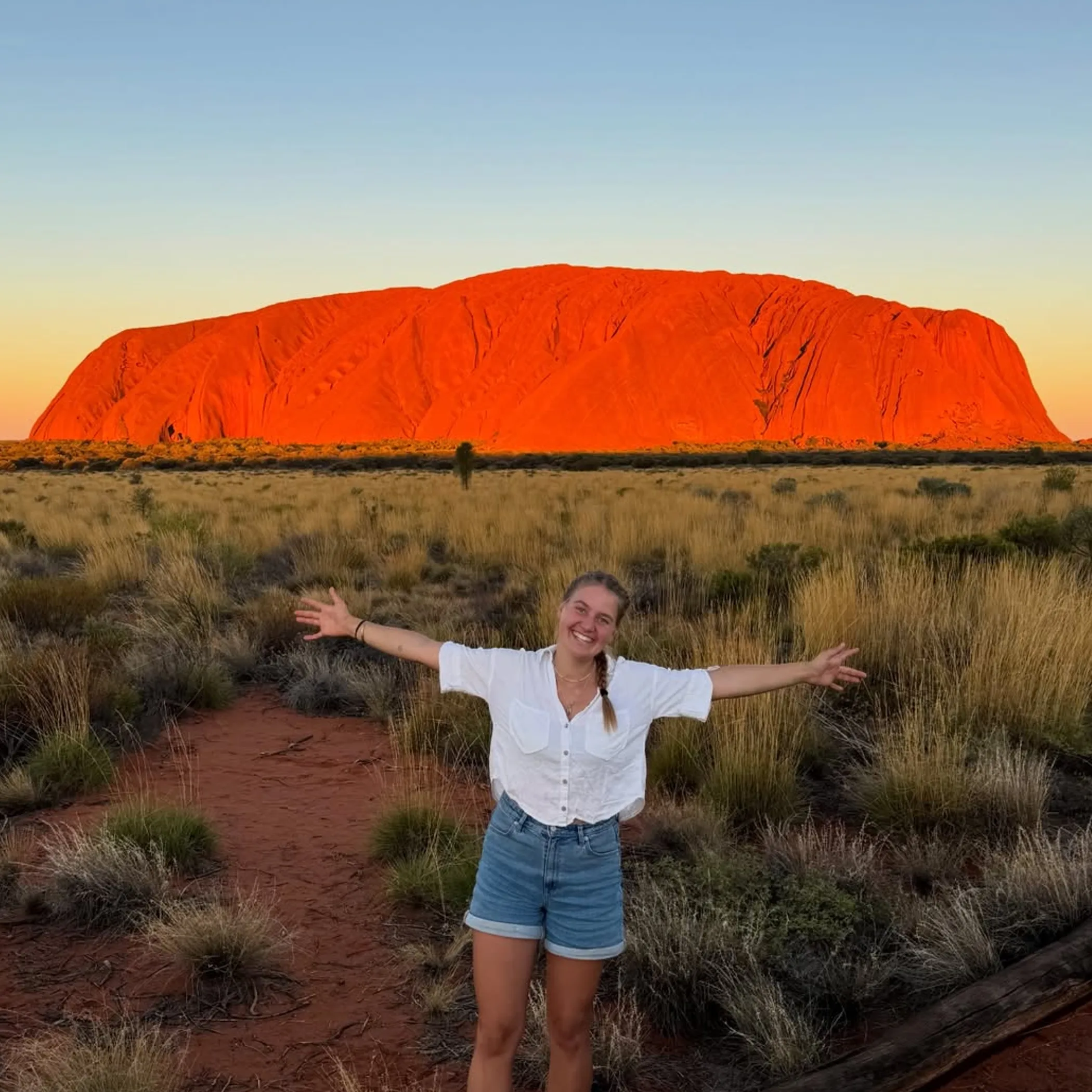
Travellers in the NT often forget they should have an Aboriginal land access permit once they have left the sealed highways. Even if the road looks public or your map shows a track or an online post has recommended a campsite, a permit could be in order. This also applies to ancient rock country hikes.
Before you head off the Stuart Highway or make for a remote community, look into the rules. You may find separate conditions for a campfire or some fishing that a transit permit does not allow. Vague plans have a way of biting you, mozzies aside.
Matters Requiring Permission
You may have to seek permission for four-wheel driving, commercial photography, research, collecting material or to put down a tent. In some cases a park authority or ranger service wants to give their approval as well. And then there is private land. A road might take you over pastoral property, a community lease or Aboriginal land and each landholder has the right to set his own terms. Assume every gate and sign is in force until the authority says different.
A Word on National Parks
Do not confuse an NT Parks Pass with the permits for Aboriginal land in the Northern Territory. The pass will get you into certain parks but not into an Indigenous community or across Aboriginal land. Nor will a permit from one land council see you through a reserve or site run by another. Make sure you check the whole itinerary, return roads and fuel stops included.
Who Will Be Issuing the Permit?
That is determined by the land you are going in to, not the town you are setting out from. Do an official search on land access to see which council or local body is in charge.
The table below is a useful guide, but boundaries and the like can be fluid so verify things before you go.
| Destination Or Activity | Likely Authority Or Checkpoint | What To Confirm |
|---|---|---|
| Aboriginal land in the Red Centre | Central Land Council | Permissions for entry, activity, transit and camping |
| Top End / Arnhem Land (for the most part) | Northern Land Council | Any seasonal restrictions, community or route access |
| East Arnhem Land in the Nhulunbuy area | Dhimurru Aboriginal Corporation | Vehicle and recreational access, camping and fishing |
| Groote Eylandt / Bickerton Island | Anindilyakwa Land Council | Transport, local conditions and visitor access |
| Mereenie Loop | Central Land Council or their local outlet | Road and vehicle requirements, current permits |
| Reserves and national parks | NT Government parks authority | Closures, booking for campsites, your parks pass |
On Central Land Council Permits
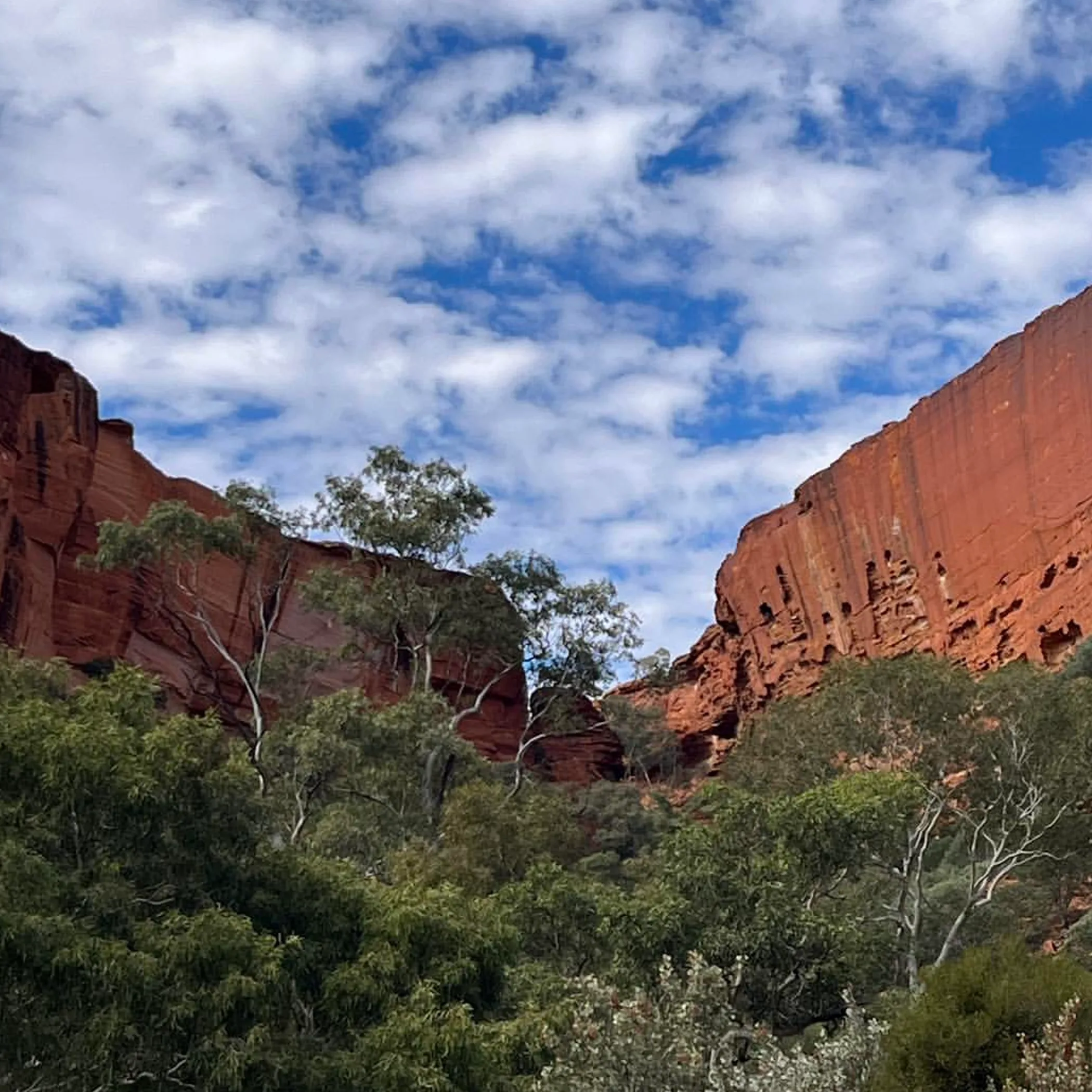
For any journey on Aboriginal land in the Red Centre, be it near Alice Springs or on some of the more isolated roads, a CLC permit is likely to be needed. They will make a distinction between one who is transiting a route and a visitor to a destination.
Put your route together in full before you apply. List the side trips and camping stops, not just the obvious ones. I have seen people find out their “quick scenic detour” was in a restricted zone when their map had led them to believe it was nothing more than a bend in the road.
Planning the Mereenie Loop
At 240 kilometres or so the Mereenie Loop is a remote proposition, though the actual distance driven will be at the mercy of the route and where you can get in. The Red Centre is connected to the Kings Canyon via the West MacDonnell Ranges, but one should be prepared for dust and corrugations as well as long tracts with no phone signal and few services.
For a Mereenie Loop an authorised outlet will have a permit on hand, be it in person or online, subject to what the system and the route dictate. Make sure you have the right permit for your vehicle, that the road is passable and if any parks pass or accommodation booking is in order.
This is not a sealed-road run, so do not make plans accordingly. Put in time for the odd rough patch, to check your tyres, stop for wildlife. You would be wise to have a vehicle of good clearance with two spares, enough water and navigation you can trust. In the Red Centre “the next servo” is something of a philosophical notion.
Great Central Road Access
Going from central to Western Australia across Aboriginal land on the Great Central Road may call for a permit. The 1,000-plus kilometre distance is approximate and will vary with where you start and end; much of it has little in the way of fuel, services or communications. Do not assume a permit for part of the road covers the whole thing. Verify what is needed from both the Northern Territory and Western Australia and see if the communities are open to visitors.
Northern Land Council Permits For Arnhem Land
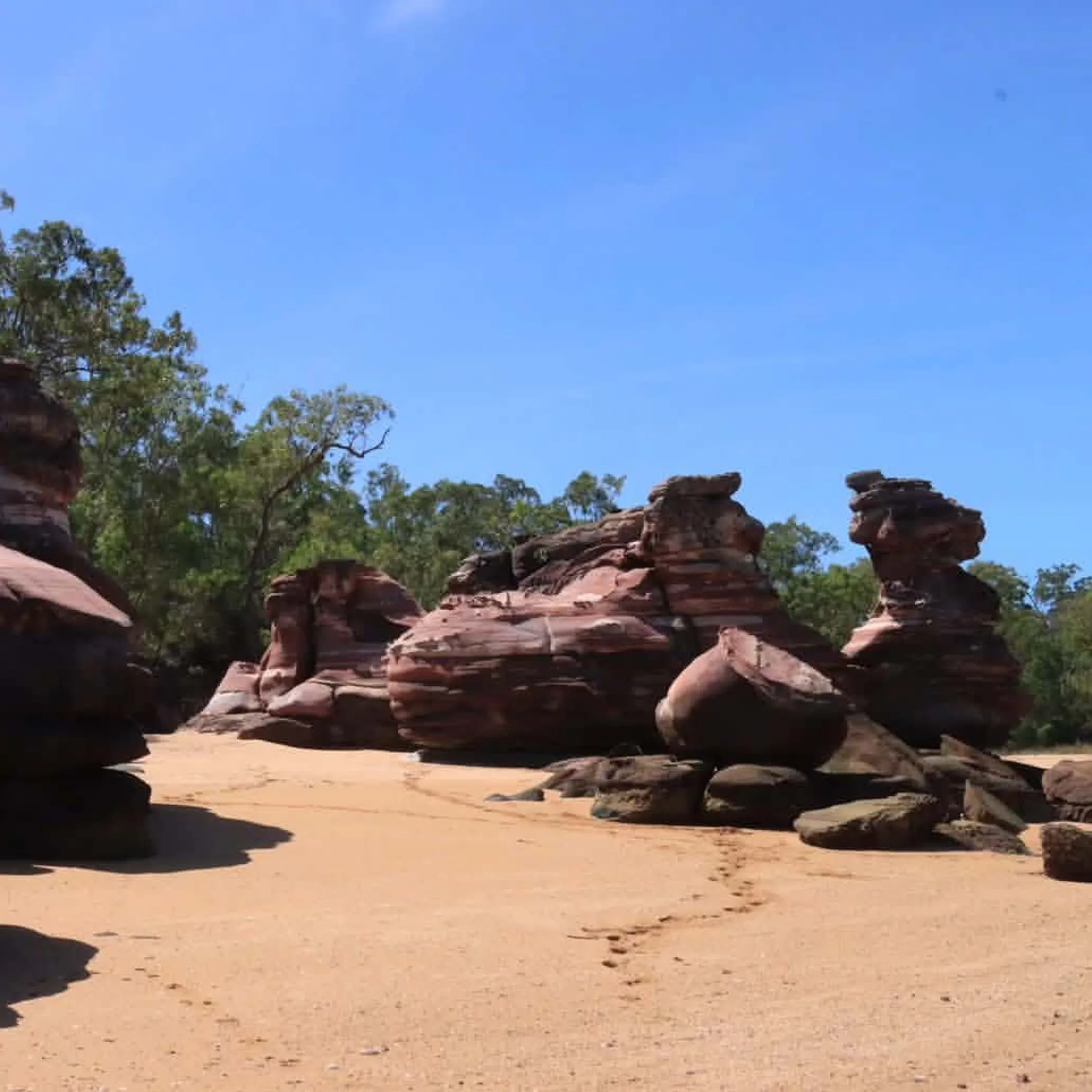
Top End and Arnhem Land travel over Aboriginal land is where one will find the need for a Northern Land Council permit. Arnhem Land is no open touring ground; it is a matter of the Traditional Owner requirements and which road, community or recreation area you are dealing with.
Your permit for Arnhem Land might be for a set period and purpose, but it does not give licence to go off the approved route, fish in a controlled spot, do commercial photography or enter restricted cultural zones.
Road And Community Access
Know if you are entering a recreation area, a community or simply using a recognised road to get through. A map will show a tidy black line but after some rain the road can be hard going, and some close for the wet season. Get in touch with the proper authority well in advance, especially with a large party, towed load, research or filming equipment. An application will not be processed with the alacrity of a city website when the office is remote.
Fishing And Camping Rules
You may need more than general permission to put up camp, fish or boat. Local rules on everything from dogs and generators to alcohol, fires, rubbish and catch limits can be stringent. Have a copy of the permit in hand, digital and printed. A screenshot will do when there is no reception but is no substitute for compliance. If the paper says a certain camp or road, that is where you will be.
Other Permit Issuers To Know
There are local systems in place at some well known remote places as opposed to the land-council process. Dhimurru Aboriginal Corporation and the Anindilyakwa Land Council are two you will come across. They are in charge of access where local knowledge is key and their conditions reflect the tides, the weather, the state of the camping and the need for cultural protection and road safety.
Dhimurru Access In East Arnhem
To drive on the access roads, camp, fish or boat in and around Nhulunbuy and East Arnhem Land a Dhimurru permit could be called for. See if it is tied to a particular activity and if any of the access points have seasonal or other closures. Roads can be affected by the wet and coastal waters are changeable. Be croc-wise and do not think a beach is safe for a swim just because it is quiet.
Anindilyakwa Land Council Areas
Access to Groote Eylandt and its neighbour islands falls under the Anindilyakwa Land Council. Before you book, have your transport, hire vehicle, accommodation and community permissions in place. Things are not as accommodating on the island as they are on the mainland; a delayed barge or flight means you are left without options for the rest of the day. Plan your permits and transport as one and have the food, water and means of communication to see you through a delay.
How To Apply Online Or In Writing
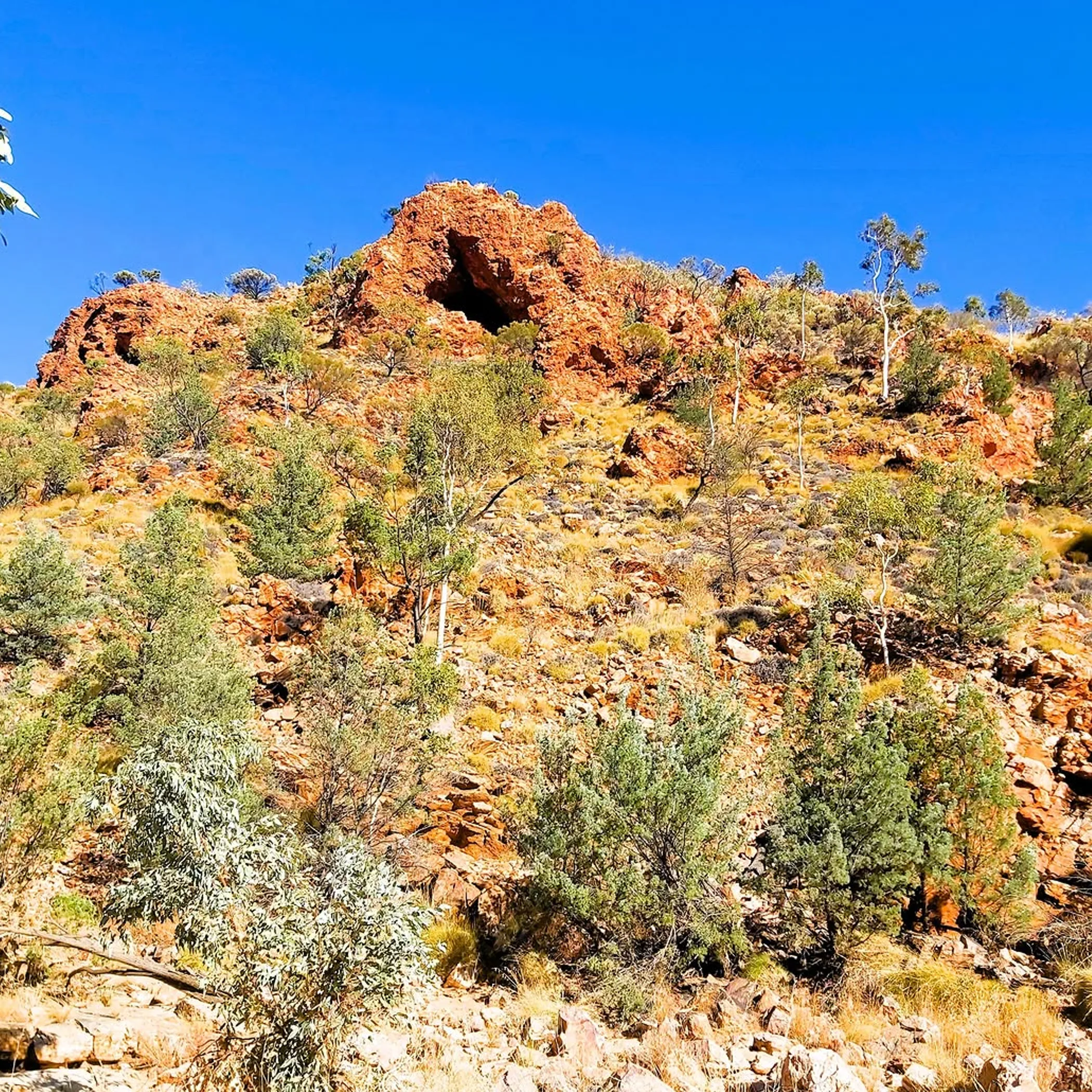
A number of NT remote permits are available by way of an online form, though some will want a written application or to have you come into the local office. Look up the authority and apply through its official page or contact them directly.
An old link from a blog, a photograph of another person’s permit or something you read in the comments on social media are not to be put in reliance on. It is better to be safe and verify the process with the issuing authority yourself, then file the confirmation among your travel papers.
Application Details To Have In Order
The bulk of applications will want some hard facts as to who is travelling, what vehicle is being used, the route and why. Put in the right dates and name all passengers if it is called for. Should your plans be altered, find out if an amendment to the permit is in order prior to your entry.
- Contact information and full names of the group.
- The registration, type of vehicle and any trailer particulars.
- Your itinerary: entry and exit, where you intend to camp and the destinations.
- What you are there for, be it commercial work, research, filming or fishing.
- An emergency contact and accommodation details, plus a plan for communication if required.
Do not wait until you have pulled over to the side of a dusty road to apply; do it before you leave. Make copies for your phone and a waterproof folder. And if the route has to be changed during the wet season, when there are cyclone alerts between November and April or bushfire closures, make sure your permit is still good.
Fees, Conditions And Timing
There is no one size fits all when it comes to the cost of a permit. Some permissions are without charge but others will have an application or activity fee attached. You will not find a flat rate for an Arnhem Land, Central Land Council or Mereenie Loop permit. See what the issuing authority is putting forward at time of application. Put aside money for fuel, provisions, park fees and contingencies. A permit may be nominal but the price of a remote recovery can put a damper on the holiday.
Reality Check
One might think a permit is nothing more than an online ticket. In fact it is permission that comes with conditions as to where you can go and what is off limits, roads and camps included. Or consider the dry season. On paper it is supposed to mean access. But in the Top End you can have flooding, fires or cultural events get in the way. Out in the Red Centre the heat is unforgiving outside the cooler months and a short walk on the map will try your patience more than a family discussion on sunscreen.
To Travel With Respect And Safety
Those who hold permits should appreciate that Aboriginal land is living country and not just scenery for a road trip. There are safety and cultural matters for Traditional Owners and Indigenous communities that do not show up through the car window.
Photographing a home, ceremony or person? Ask first. Use the facilities provided, put your rubbish in your vehicle, shut the gate and stick to the tracks. Do not be lured into a restricted area by an image someone has put on the internet, and take no rocks, artefacts or wildlife with you.
A Checklist For Remote Travel
At the last service point of any reliability, see to the weather, the vehicle, your water and fuel and communications. Let someone know your expected return and the route you are taking, and put them in the picture if things change.
- Be sure of every permit and parks pass.
- Have the means to deal with a delay in the form of medication, food and drinking water.
- Pack maps, a satellite device, spares, a first-aid kit and whatever you need for recovery.
- Check tides, river crossings and any bushfire or cyclone warnings.
- Observe the terms of the permit and do not disturb cultural places.
These are areas for the prepared who can stand the heat and self-reliance; they are not for the untried driver or anyone with a low-clearance vehicle and an expectation of a phone signal.
Some Questions Asked
What constitutes a remote Aboriginal community in the NT?
You will find them in the Red Centre, Barkly, the Tiwi Islands and across Arnhem Land. Rules vary so confirm if you require an invitation or transit or entry permit.
Where to on a Mereenie Loop permit?
Official Northern Territory travel information will have the local outlet or current issuing authority. Before you go, check the price, road and vehicle requirements as arrangements are subject to change.
Arnhem Land permit costs?
It is not a case of a single price for all. The duration, camping, vehicle and purpose of the visit are all factors. Apply and see what the fee is.
Is an online application possible for NT Aboriginal land?
For some permits yes, for others it is by email or in writing at a local office. The destination and land manager will dictate the procedure.
Who issues in Arnhem Land?
The Northern Land Council for much of it, though Dhimurru Aboriginal Corporation is in charge of some recreation in East Arnhem and other authorities have their say in other quarters.
Camping or bushwalking on Aboriginal land in the NT?
Most often you will need one, but do not assume a general entry permit will do for everything; separate approval may be necessary.
For the latest on access and closures the Northern Territory Government’s parks and permits site is the place to look.
Put The Plan In Place First
It is simple enough: find the land manager, get the right permission, run through the conditions and give the route a final check before you set off. Have the permit to hand and be ready for the weather or poor services to cause a delay. Show the Traditional Owners due respect.
Then you have time for the rest of it, be it a hike in the ancient rock country of the Red Centre or a crossing of the Great Central Road. One does not want to be making it up on the spot next to a locked gate with barely a bar of reception.
