The main sealed ways into Grampians National Park are for the most part manageable this winter of 2026. Then again, a bit of rain or fog, some frost, a fallen branch or an unexpected road closure will turn what should be a simple outing into a leisurely bush drive. For Grampians road access updates, make allowances for that, see what conditions are like before you go out and have some regard for the unsealed tracks. One does not put on speed in the Grampians in winter as though one is running late for Melbourne.
I am Evander Anderson. You do not need much experience with regional roads to know the hazard is rarely the more spectacular weather; it is the small error. It is in setting off with fuel to spare, thinking a short track will be dry or not realising until after dark that the last stretch is unsealed. To make a trip without worry, I would advise making use of the Parks Victoria and Bureau of Meteorology details and any local road notices prior to departure. This guide is to help you plan for 2026, because conditions have a way of changing and not every road is going to be the same from one weekend to the next.
Dealing with the Road in Winter
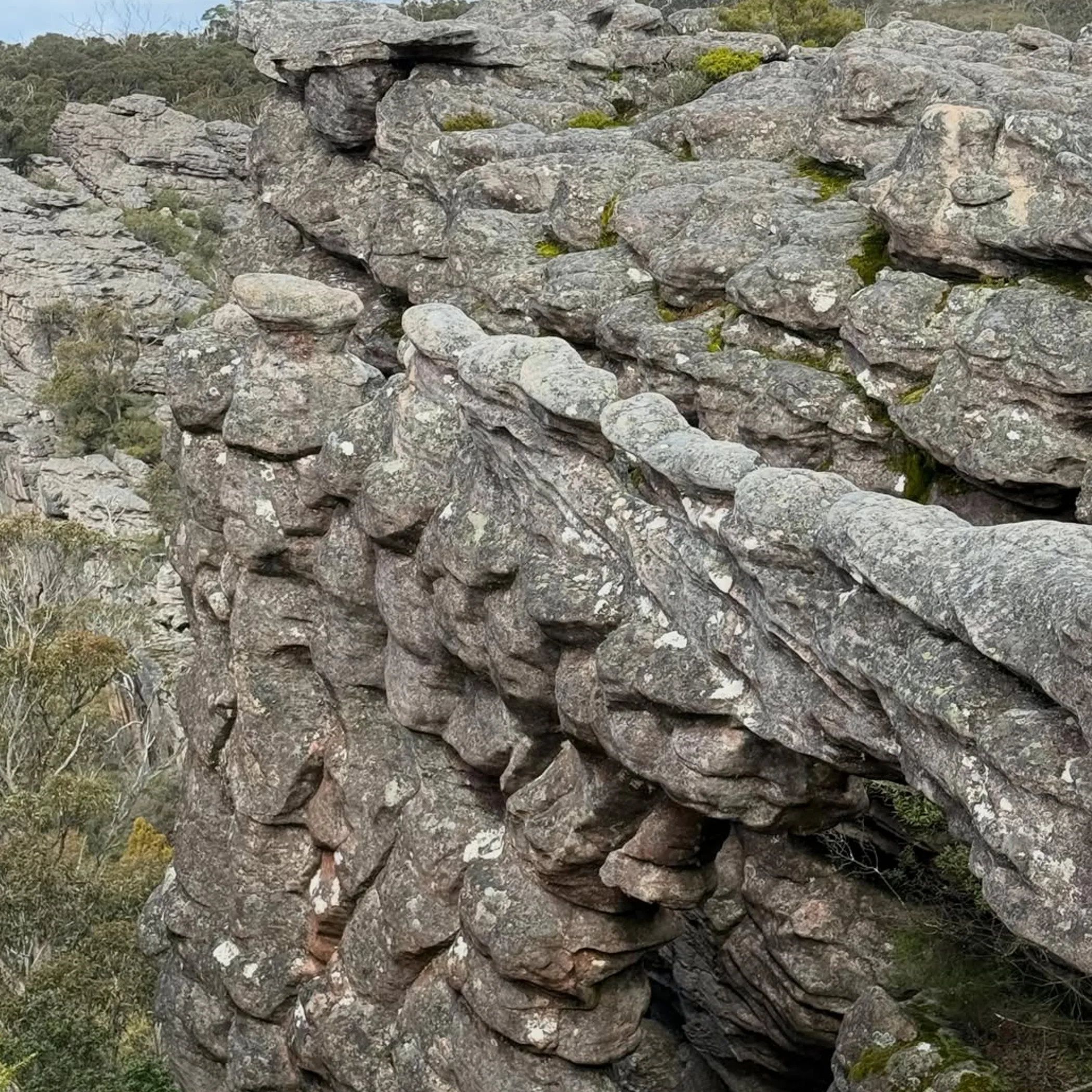
Patience is its own reward when you are driving in the Grampians. There are long stretches and steep bits, and the park’s roads are prone to winding. Factor in poor visibility, slippery shoulders, a stop at a lookout or some wildlife and a route can take longer than it appears on paper.
At 167,000 hectares the park is no small affair with a single point of entry. “The Grampians” is not so compact. Whether you are on gravel or sealed tarmac, and which township you put in for supplies, will dictate your driving.
How Winter Makes a Difference
Open valleys and the higher ground are where you will find the damp and frost of a cold morning, and the fog. After a rain the edges of a gravel road may be soft or muddy and corrugated. Access to some walking areas might be impacted by a recent storm even if the main road is fine, and a strong wind can put branches in your path.
Then there is the matter of daylight, which is in shorter supply in winter and has more of an effect on the traveller than is thought. An easy enough drive at midday makes for a tiring, dark return once you have been out for a long walk. And native animals are hard to spot on a dark road at dawn or dusk, so ease off near the grassland and the edge of the forest.
Even Sealed Roads Demand Attention
They are the surest way in but they are country roads for all that. You will come across bends and gradients, and not much room to overtake. Mud or leaves on the road and wildlife will cut down on your grip and stopping distance.
Put both hands on the wheel and do not be quick with the brakes on a bend; leave more space than you would in the city. Should you be proceeding with caution and have someone on your tail, pull over where it is safe to let them pass. Some will act as if there is a prize for forming a queue behind you but there is not.
A Safer Way to Go
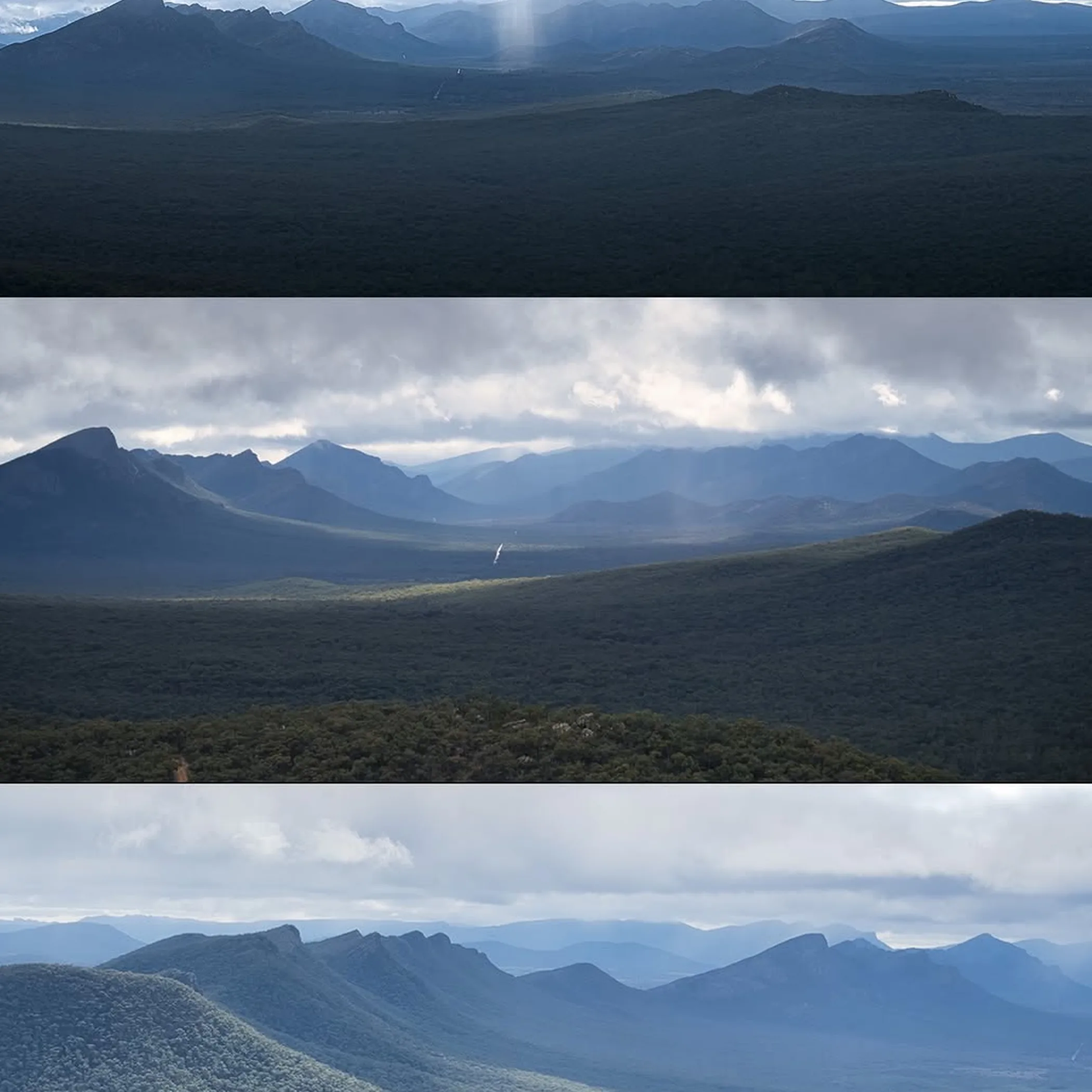
Your best bet in winter is to pick a base town and keep your drives from there short. Most will head for Halls Gap as the hub, others coming from another direction might prefer Stawell, Ararat or Horsham. It comes down to what you want in the way of overnight quiet or having food and fuel at hand.
And do not put your trust in a satellite navigator. The app will tell you a track is there when it is closed for the season or gated, or simply not fit for your vehicle. Verify with an official map and the latest road information.
| Driving Area | Typical Surface | What to Expect in Winter | How to Handle It |
|---|---|---|---|
| Main access and township links | Mostly sealed | Fog and wet bends, less visibility and wildlife | Make it a daylight run and do not be in a hurry |
| To the popular walking spots | Sealed or a mix | Wet shoulders, branches and traffic on the weekends | Have a look at the access notices from your accommodation |
| Unsealed tracks in the park | Clay, gravel or earth | Ruts, mud and soft edges | Only if open and your vehicle can manage it |
| Remote and long loop roads | Variable | Phone coverage and services are scarce | Take a paper map and some margin in the tank, have a plan for the return |
Parks Victoria have the official word on access at Grampians National Park, so consult them. And check the forecast. The question is not just whether it is going to rain. Find out if there is rain in the offing, whether the mercury is set to drop to near freezing or for any strong winds.
Halls Gap Sensibly
There is no denying Halls Gap is convenient, yet on a winter weekend the going can be busy at central parking and the more in vogue walking starts. Make to put in an appearance some time before you are due to set off on your walk, all the more so when the school holidays are on or following a spell of fine weather. You will find roadside parking is either unsafe or off limits once the car parks are full.
Stick with designated parking and do not impede gates, turning bays or anything required for emergency access. For those making their base outside the park, it is best to have the tank topped up and provisions in hand prior to entry. Do not expect the shops and services to be laid out as in a suburban strip; hours are apt to be variable.
Roads And Your Vehicle
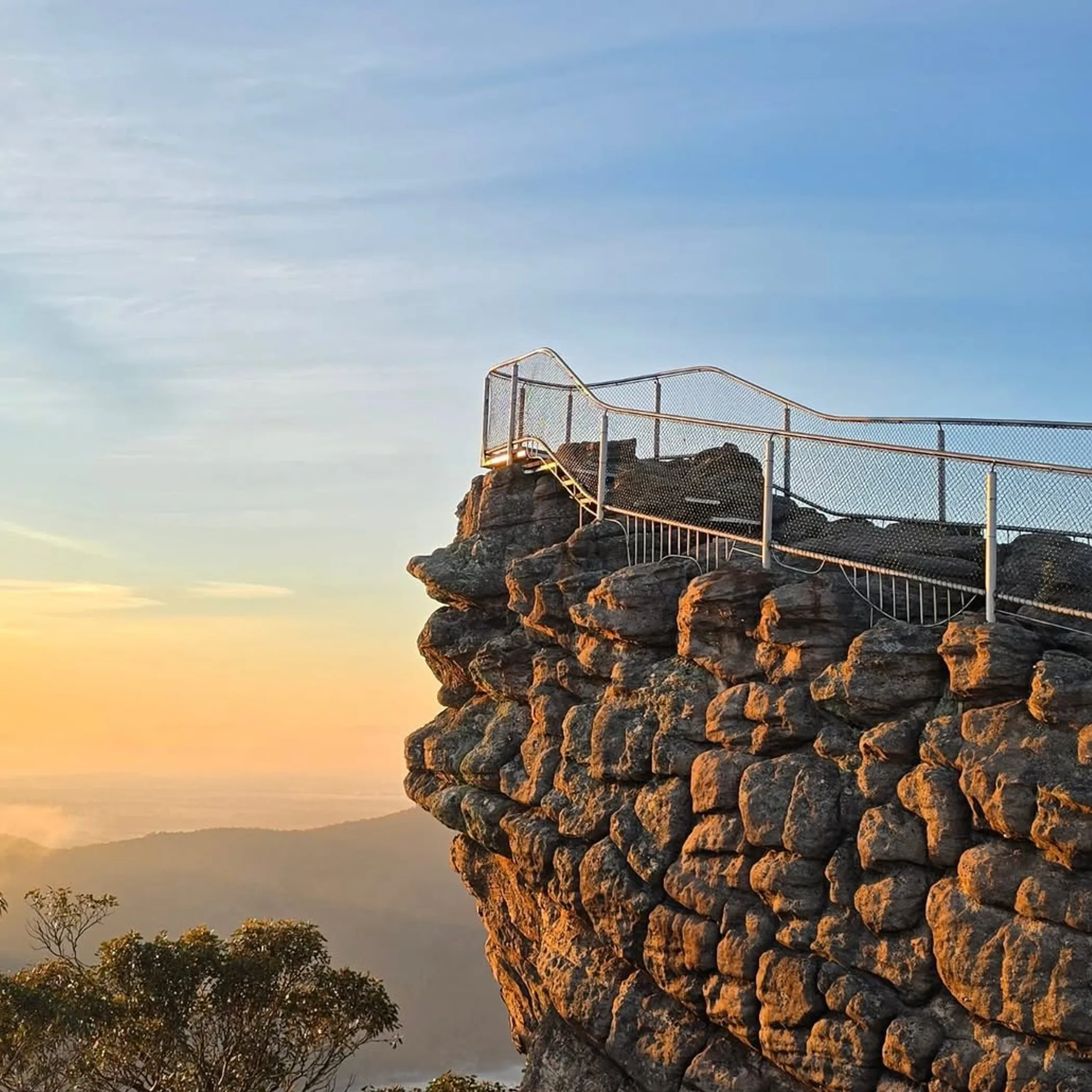
You are not obliged to have a big four-wheel drive for every foray into the Grampians. A standard car will do on open sealed roads provided the conditions are reasonable. It is a matter of what the road can offer that day as much as the vehicle’s ability to get there.
Then again, a low-clearance car has its difficulties with rocky ground, washouts and ruts. One should not put a two-wheel-drive on a rough, wet track just because another made short work of it in the summer. What appears to be shallow mud can put a stop to a vehicle. And having to be recovered is an expensive and poor way to pass a winter afternoon.
A Word Before You Go
Do a cursory check over the vehicle. Tyres must have the right pressure for the load and good tread. See to the spare, the jack, coolant, windscreen fluid, lights and fuel. In winter a clean headlight and demister that works are of more use than any playlist.
- Make sure you know about any notices for walking areas, road closures and park access.
- Look at the forecast for the park itself, not your own suburb.
- Have some food, warm clothing, drinking water and a torch to hand along with a phone that is charged.
- If you are venturing out remotely, let someone know where you are headed and when to expect you back.
- Put maps on your device while reception is still good.
Fuel is where most people err in their calculations. They go by the route planner and make no allowance for a detour, idling in the cold or slow progress on gravel, only to have to head back to town unawares. Allow yourself a margin. Should the tank be running low, put some in before you come to the park.
Poor Weather Driving
The first shower will bring oil and dust to the surface of sealed roads and make risk assessment more of an art. Ongoing rain means pooling and slippery shoulders, and on gravel it can uncover stones and put you towards the edge.
Fog is a trap many fall into, driving at their usual pace on a road they know. Slow down to the point where you can stop in the distance you can see. Keep to low beams and put enough room between you and the car in front so its absence is not a shock.
Wildlife
Kangaroos and the like can be near the road at any hour but one should be especially circumspect at dawn and dusk. An animal in your path calls for a firm brake, but keep control of the vehicle. To swerve on a narrow shoulder or wet bend is to invite a worse kind of collision.
And do not halt in the road for a picture of wildlife. Get well clear if you can and do not feed them. You do not want to cause a crash or condition an animal to come to traffic for the sake of a photo.
Turning Back
If the vehicle is losing traction or the track is a quagmire, turning around is the sensible thing to do. Some will press on having put in most of the miles, which is sunk-cost thinking with a steering wheel.
Should a road be closed, take the signed option or call it a day. Barriers and gates are there for a reason, be it to shield you from a fallen tree or flooding or something the emergency crews would be hard put to handle.
Build A Realistic Winter Day
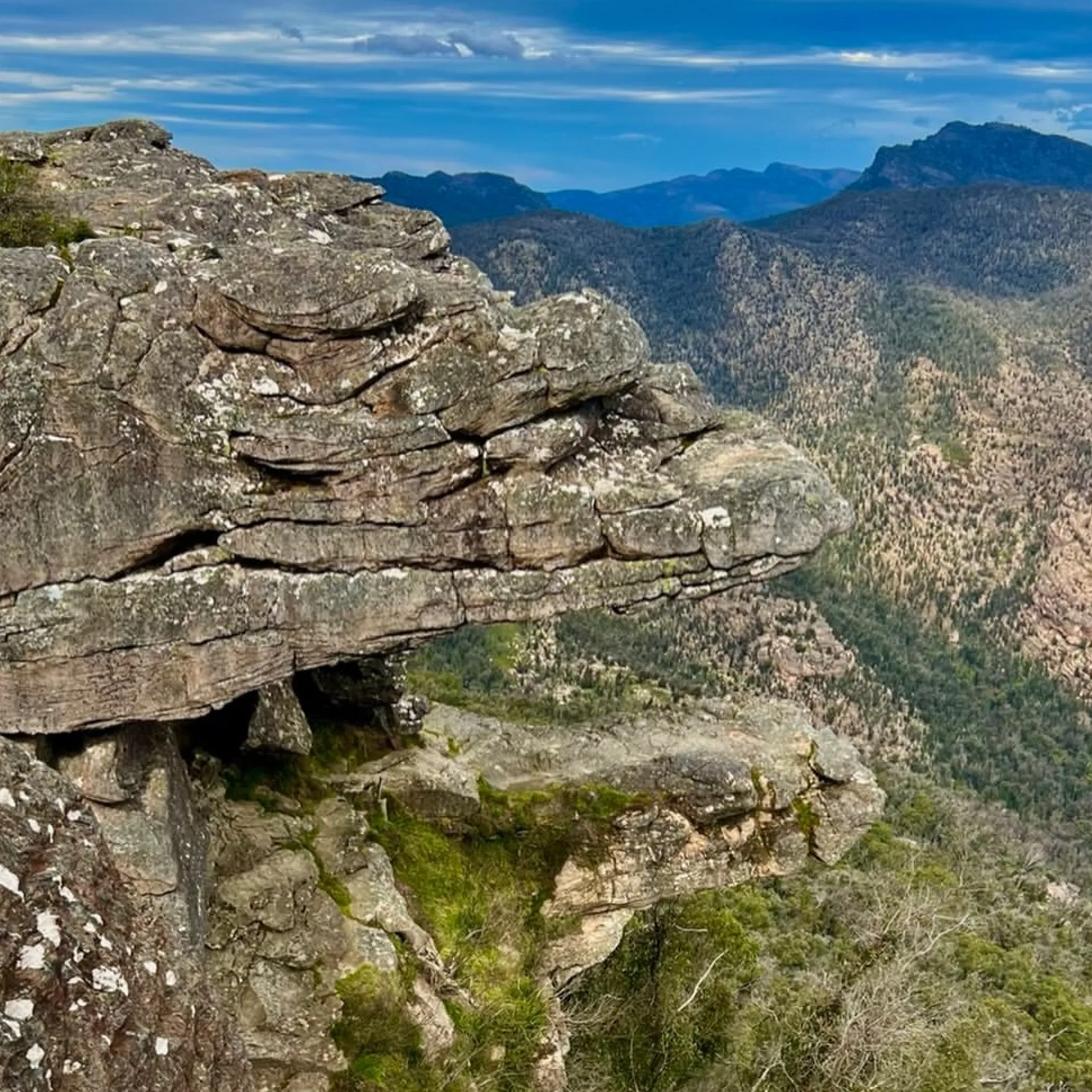
For a one-day visit in winter it is better to have a shorter itinerary done in comfort than a long list you have to give up in the dark. Pick your area and a walk, factor in the drive and leave some leeway for the weather and finding a park.
If You Have One Day
Make Halls Gap or some other access point your base of operations. Sealed roads are to be used in preference, and start with the walking area of most importance. An early departure will see you parked before the rush; take along warm clothes and do not try to put in an extra lookout at the expense of the last hour back in town.
When the rain does not let up, confine yourself to a good short walk or a scenic drive on a road you know is open. Do not have a remote unsealed track as the day’s main event unless the vehicle is up to it and you have verified its state of repair.
Beginners And Families
Those new to the area, drivers who do not know Australian bush roads well and families with small children are advised to stick to the established parking and the well-trodden, plainly signed routes. A straightforward plan is less taxing: a single base, a main walk, something in reserve and to be back by daylight.
Travellers without the inclination for a change of plans, or who lack warm clothing, fuel or decent tyres, would find the experience wanting. Equally so anyone in want of city type roadside services or uninterrupted phone coverage.
A Matter Of Expectation And Road Reality
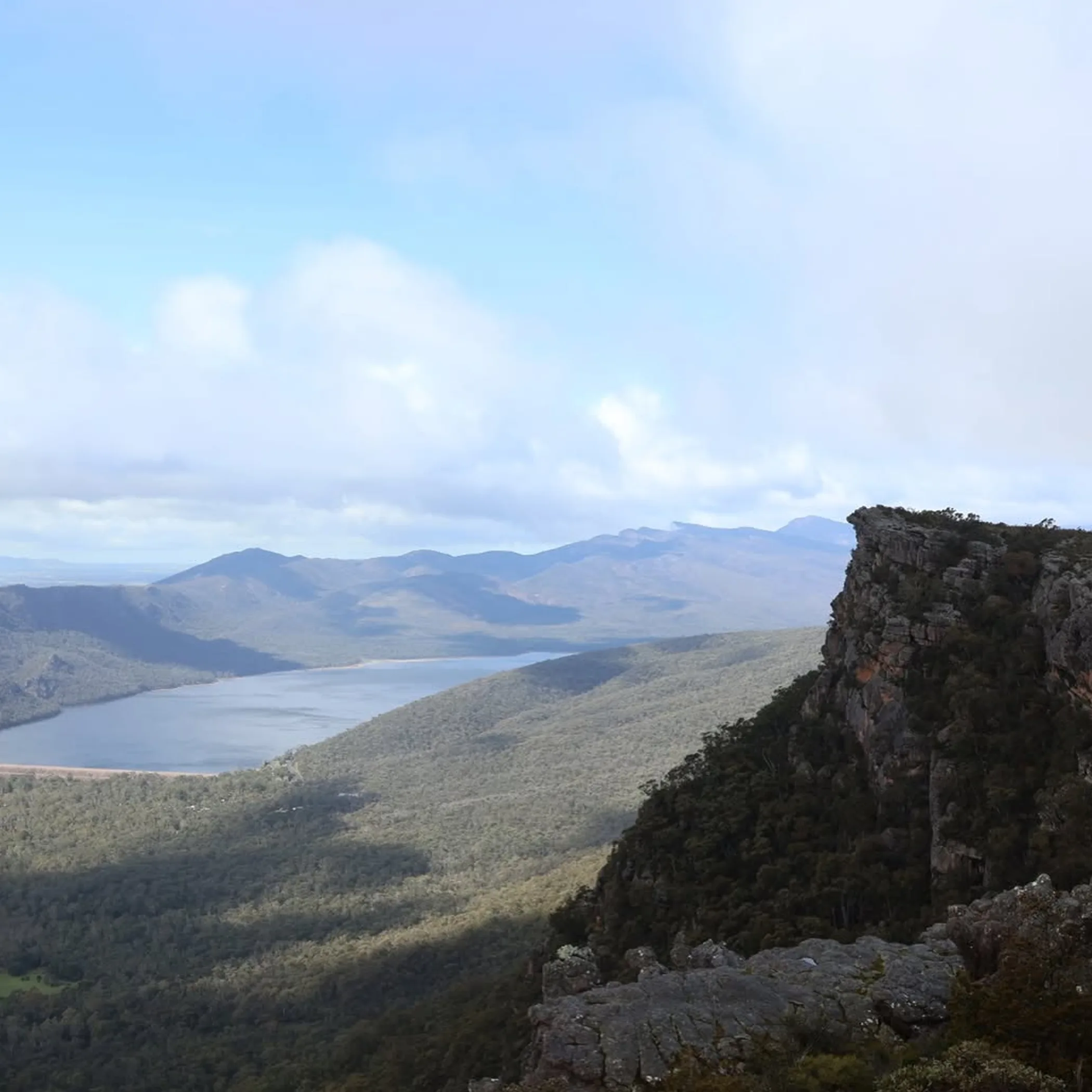
One might anticipate empty roads, clear views and a bit of a nip in the air on a winter outing. In reality you could have that, or you may be met with drizzle, low cloud, rocks made wet by it and car parks at capacity, while a storm can double the time it takes to get down a road.
Having a four-wheel-drive is no guarantee of safety on every track; clearance is one thing but it will not do away with mud, driver error or poor visibility. And while an online map is handy for planning, what you see in the way of signs and official notices and the conditions themselves are what count. It is worth looking at Grampians road access updates prior to setting off, and once more if there has been severe weather in the region.
Sensible Plans For The Finish
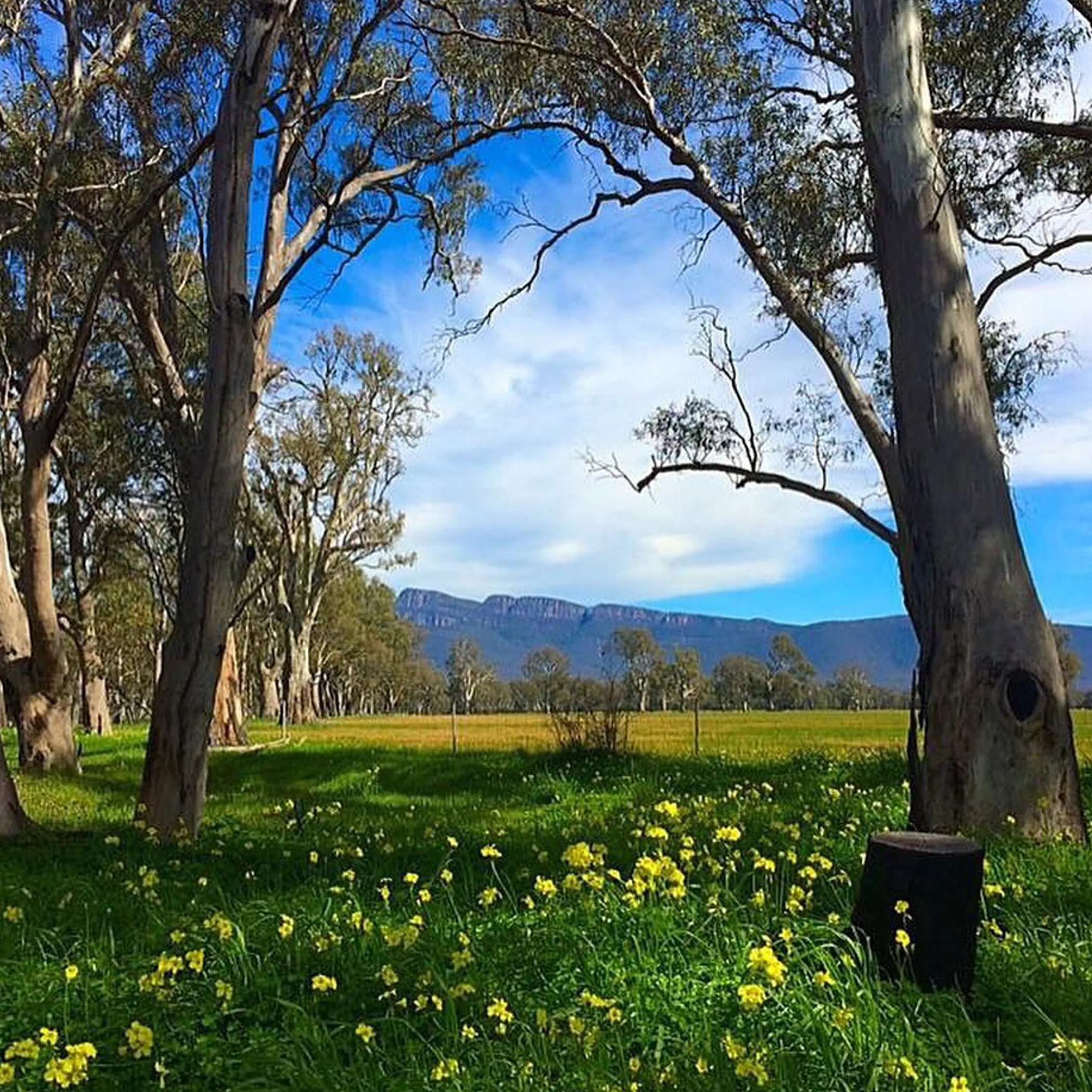
There will be variation in the 2026 winter driving in Grampians National Park according to the day and the weather system, so allow for it. Be flexible on the way back, drive the fog and the wet bends with caution and use sealed roads where the itinerary permits. A good winter trip is not measured in kilometres but in having the energy and daylight to make the most of it when you arrive. Have the vehicle in order, the essentials with you and be prepared to turn back after checking the official access information. You can come back to the mountains another time.
Some Questions On Winter Driving
Grampians Roads Open In Winter?
For the most part the main roads are, though weather, maintenance or safety issues can result in a temporary closure of a facility, track or even a road. Do not presume a road is open from a previous visit, consult Parks Victoria first.
Is A Four-Wheel Drive Necessary?
Not always. Reasonable conditions on a sealed route will suit a standard vehicle. But a four-wheel drive will not render a flooded or badly damaged road safe. Let the route and conditions dictate the vehicle.
Driving Unsealed Tracks Post Rain?
Provided the track is open and your vehicle and skill level are appropriate. Mud and ruts form in a hurry. When in doubt, opt for the sealed roads and put in a local enquiry about conditions before you go out to a remote part.
A One-Day Trip In Winter?
You can do it by being focused and making an early start. Pick your one area of priority and factor in some extra time for the drive, then head back before it gets dark. To attempt the whole park in a single day is asking for a tiring and hurried affair.
What To Have In The Car?
Fuel to cover any detours, a paper or downloaded map, a charged phone, water and food, a torch, first-aid kit and warm clothes. Put in a check of the spare tyre before you go. Mobile reception is not to be relied upon as a sole means of safety.
