To maintain your stormwater drains in Australia one must be prepared for regular inspections and sensible cleaning, not to mention acting fast when the rain comes hard. While a property owner can put in the work to clear drain grates and surface debris, there is no substitute for a qualified hand when it comes to damaged assets, tree roots or a blocked pipe.
I am Evander Anderson and I have found that drainage issues do not tend to make themselves known in a polite way. One day a junction pit is running slow and seems of no consequence, then the next downpour has made of your driveway a shallow pool. Here I will set out what you should be looking at, the sort of costs in AUD to expect, when to call in an expert and where the line is drawn between public infrastructure and your own property.
What is Entailed in Stormwater Maintenance
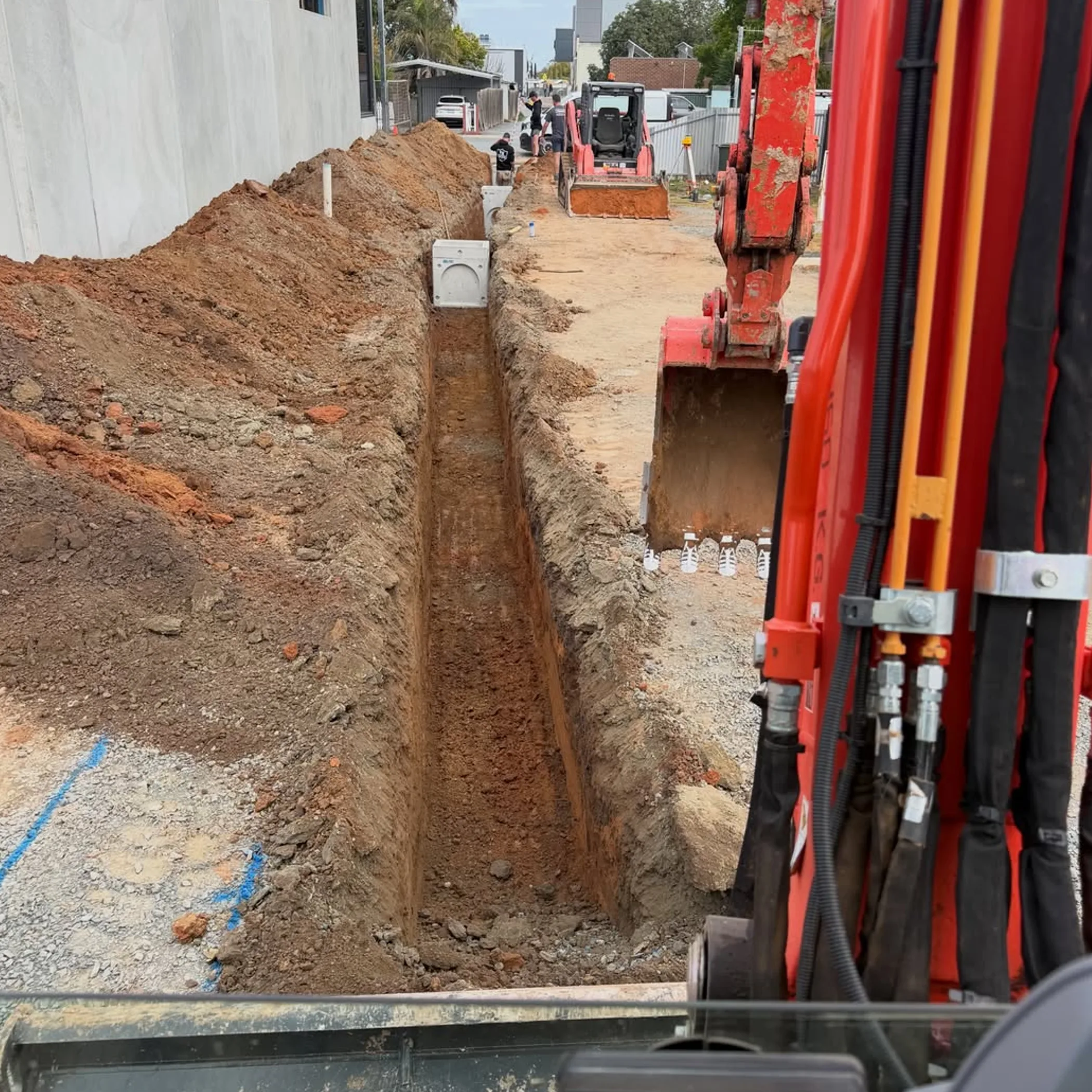
The purpose of maintaining the system is to see that rainwater is taken off hard surfaces like roads, driveways and roofs and away from the garden. It is a matter of inspecting and making any necessary minor repairs to the parts that release and convey water.
You will find an array of components on most properties: gutters, downpipes, underground pipes, an approved discharge point and so on. Understanding what causes blocked drains can help identify problems early. If there is a blockage it will compromise the entire line; merely putting in order the grate you can see is akin to sweeping the front step with a tree in the hallway.
Your Drainage Assets
Make a distinction between the drains that are yours and those of the council or other authorities. Public stormwater infrastructure such as roadside pits and kerb inlets are not your concern, whereas private pipes will be within your boundary.
It is useful to have a marked up photo or a simple sketch of where the discharge points and inspection openings are. That way a plumber can get to grips with the system in short order and any future inspection is done more efficiently.
Flooding and the Value of Regular Checks
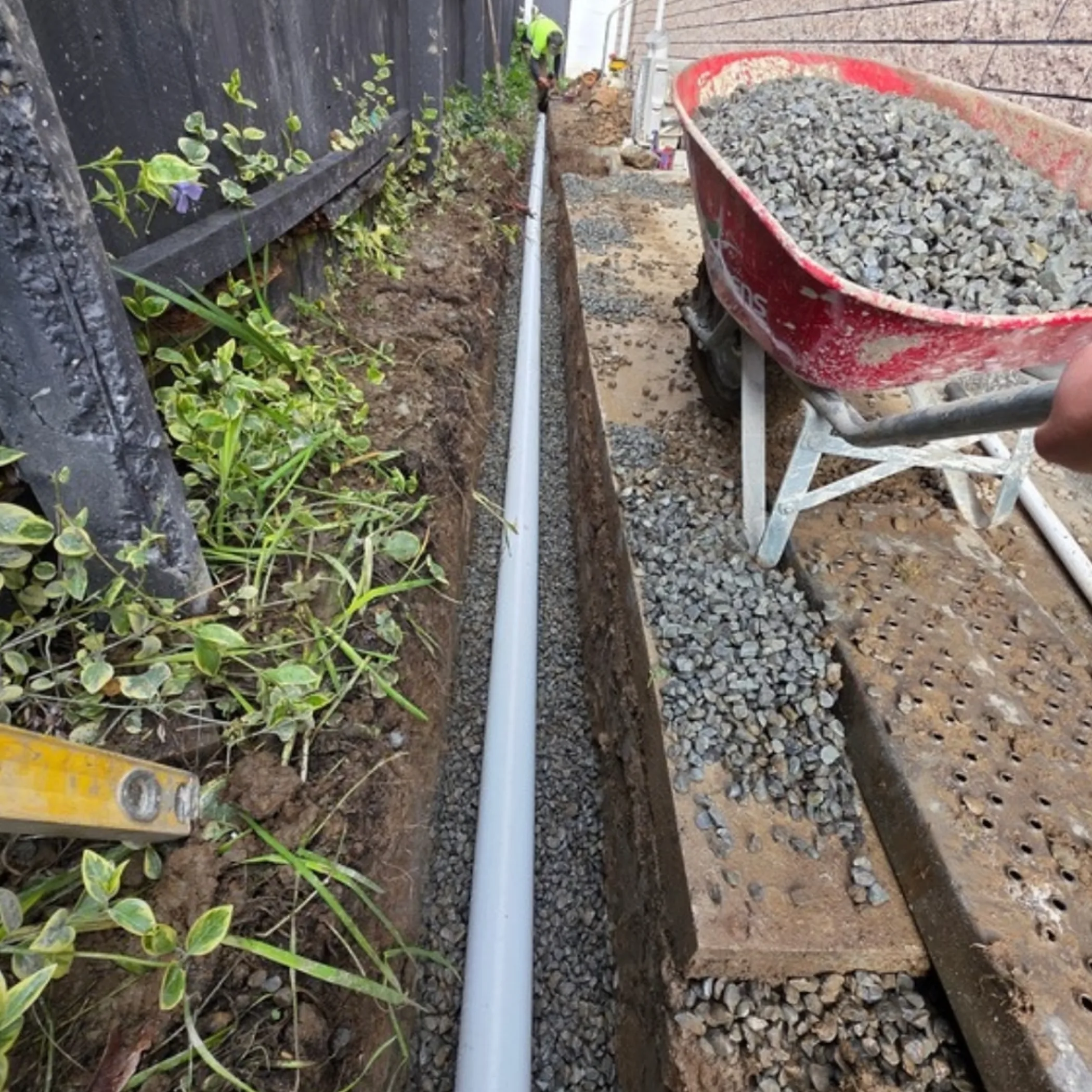
If you want to keep leaves, vegetation and sediment from halting the flow of water at a critical time, regular maintenance is the answer. You will also spot a sagging or cracked pipe before it is an excavation you cannot afford.
Then there is the matter of flood prevention which goes beyond shielding the building from the elements. It spares you from damp around the foundations, a garage full of water, slippery paving and mud on the paths.
Waiting Can Be Costly
People are often caught by a drain that is only partially obstructed but seems to cope with a light rain. Give it heavy rainfall and the water will come back up in a hurry having had to force its way through a narrow opening. In Perth the winter rains will bring to light what was hidden in drier times; in NSW and the north a wet season can in an afternoon put too much strain on a system that has not been looked after. There is no universal calendar for this, local soil, slope and weather have to be taken into account.
Putting Together a Schedule
An effective schedule is a mix of visual checks and some thorough cleaning as the occasion warrants. At least twice a year is advisable for most to go over the visible parts, more so ahead of the wetter months or in the wake of a big storm.
Where there are large trees or bushland, or if you have had flooding in the past, you would be better to have a written plan than trust your memory, as with strata or commercial premises.
| Task | Suggested timing | What to check |
|---|---|---|
| Visual inspection | 3 to 6 monthly | Any standing water, erosion, broken grates, litter and leaves |
| Surface cleaning | In the event of storms and prior to wet weather | Gutters, junction pit lids, inlets and grates |
| Professional cleaning | For recurrent blockages or reduced flow | Roots, obstructions and sediment below ground |
| CCTV drain inspection | Where damage is suspected or failures are repeated | Intrusion from roots, collapsed or sagging and cracked pipes |
| Repair review | Following any major damage | Subsidence, failed joints, pipe movement and access that is not safe |
Local Considerations
Maintenance is a different proposition with nearby building work or when the leaves are falling. A new garden bed or paved area can change the way water gets to the drains. Up north where cyclones are a risk, clear the grates of loose items before the wet-season proper and check your drains. In the coastal sands look for sediment to have moved about after a storm; in a bushland suburb the leaf litter has to be dealt with more assiduously.
Blockages
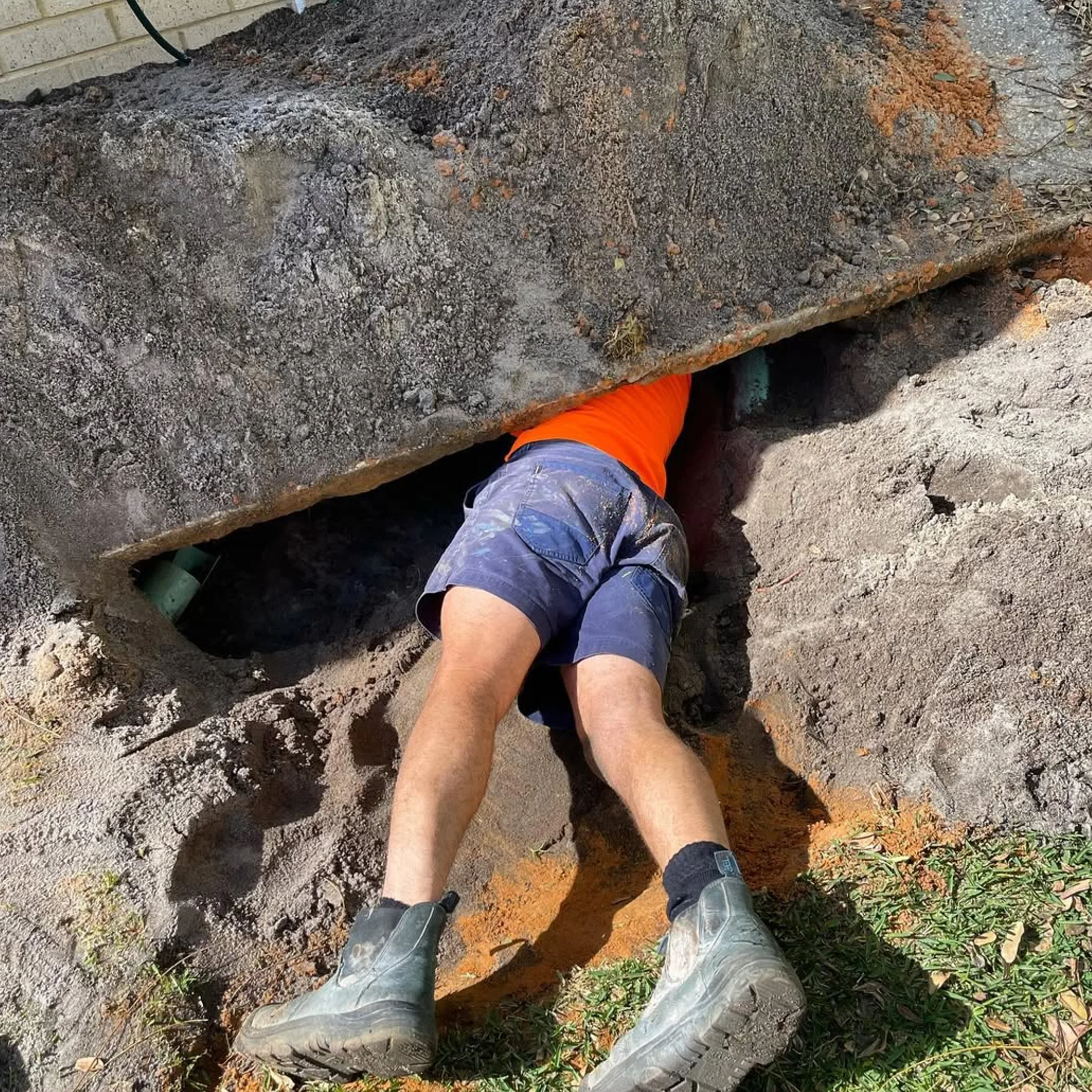
Damaged or open inlets let in foreign objects, litter, sediment and vegetation, the usual suspects for a blocked stormwater drain. What one will find underground are the usual culprits: tree roots making inroads, pipes that have collapsed or cracked, and sagging ones where water and sediment can pool.
Asking what causes blocked drains is apt since the answer is typically a mix of the state of the infrastructure, the weather and human behaviour. A drain might give way to leaves on a grate, or it could be the result of a pipe that has been taking in soil for months.
Common Household Mistakes
It is not uncommon to see garden waste swept into a drain. Or for a driveway to be pressure-washed with the dirty runoff, complete with sand and litter, being sent to the nearest inlet.
Stormwater drains should not be used for paint, concrete washout, oils or chemicals from the garden. In most cases these systems empty into waterways, not a treatment plant, so any contamination is not confined to the property.
Roots And Structural Damage
In their quest for water tree roots will find small imperfections in an underground pipe. They then make a habit of holding onto paper and organic matter, slowly closing off the opening. While high-pressure jetting can dislodge roots and compacted debris, it is no substitute for a repair job on a damaged pipe. Should the blockage put in another appearance, a CCTV inspection of the drain will tell if it is a structural issue or just a case of build-up.
Warning Signs Of Drain Trouble
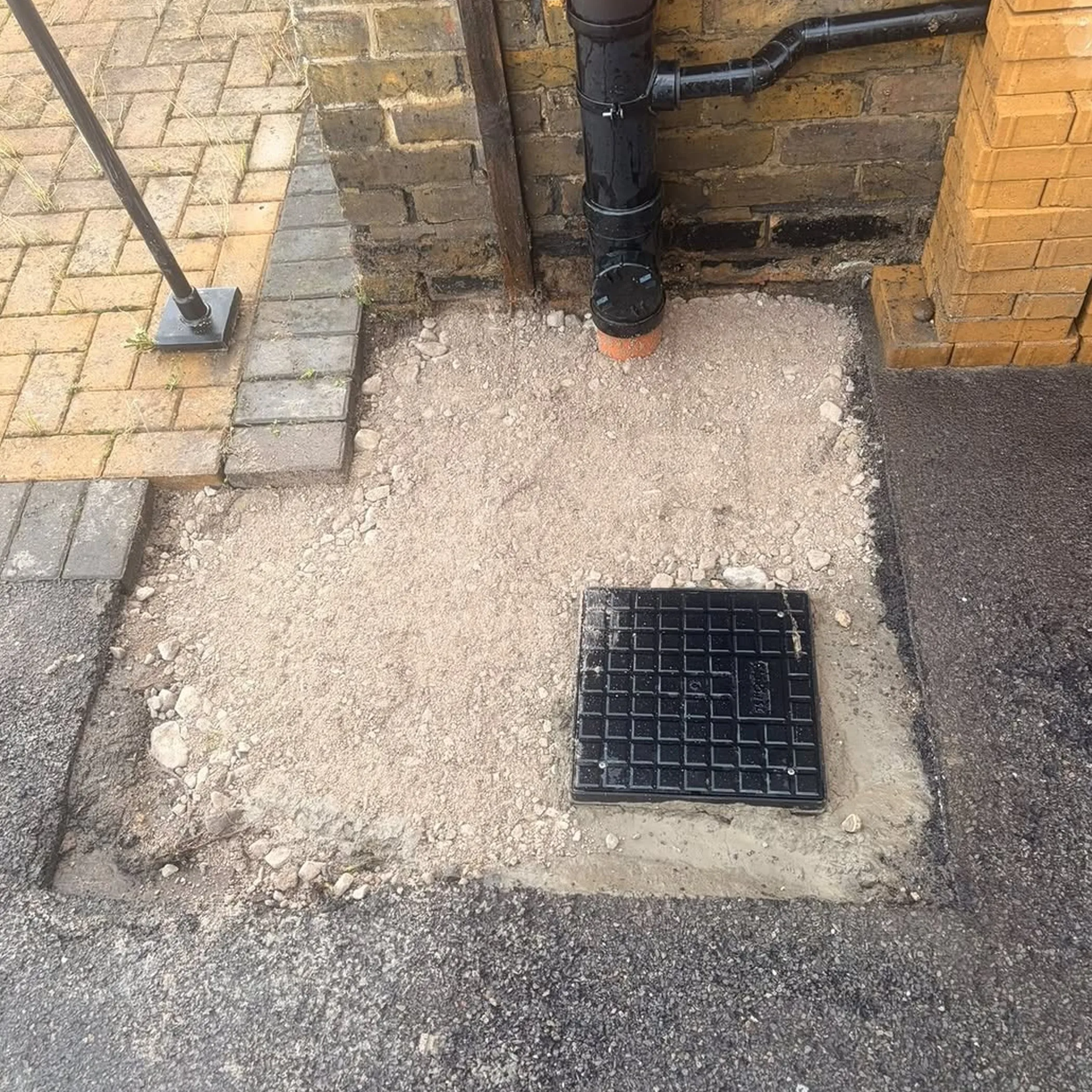
Because stormwater is not in constant use, early signs can be overlooked. An odd gurgling, a pit that is slow to drain or some soil that is always wet may be the first indication that water is not doing what it should.
There is more to be done at less expense if one acts on it. Wait until the water has made its way into a building and the options are limited; the bill is not much of a joke then.
Clues To Watch For
- After a rain in the neighbourhood there is still water in the junction pit.
- A moderate amount of rain and the grates are overflowing.
- Some foul odour or bubbling noise comes from a surface inlet.
- The ground, paving or grass above a pipe has sunk.
- You see water in the basement, courtyard, garage or by a retaining wall.
- The blockage is back shortly after the stormwater has been cleaned.
Flooded areas should be kept clear of children and pets as the covers can shift. Pits and confined spaces are to be avoided, not only because of the contaminated water but also for the gases and unstable edges.
Cleaning Without Causing Damage
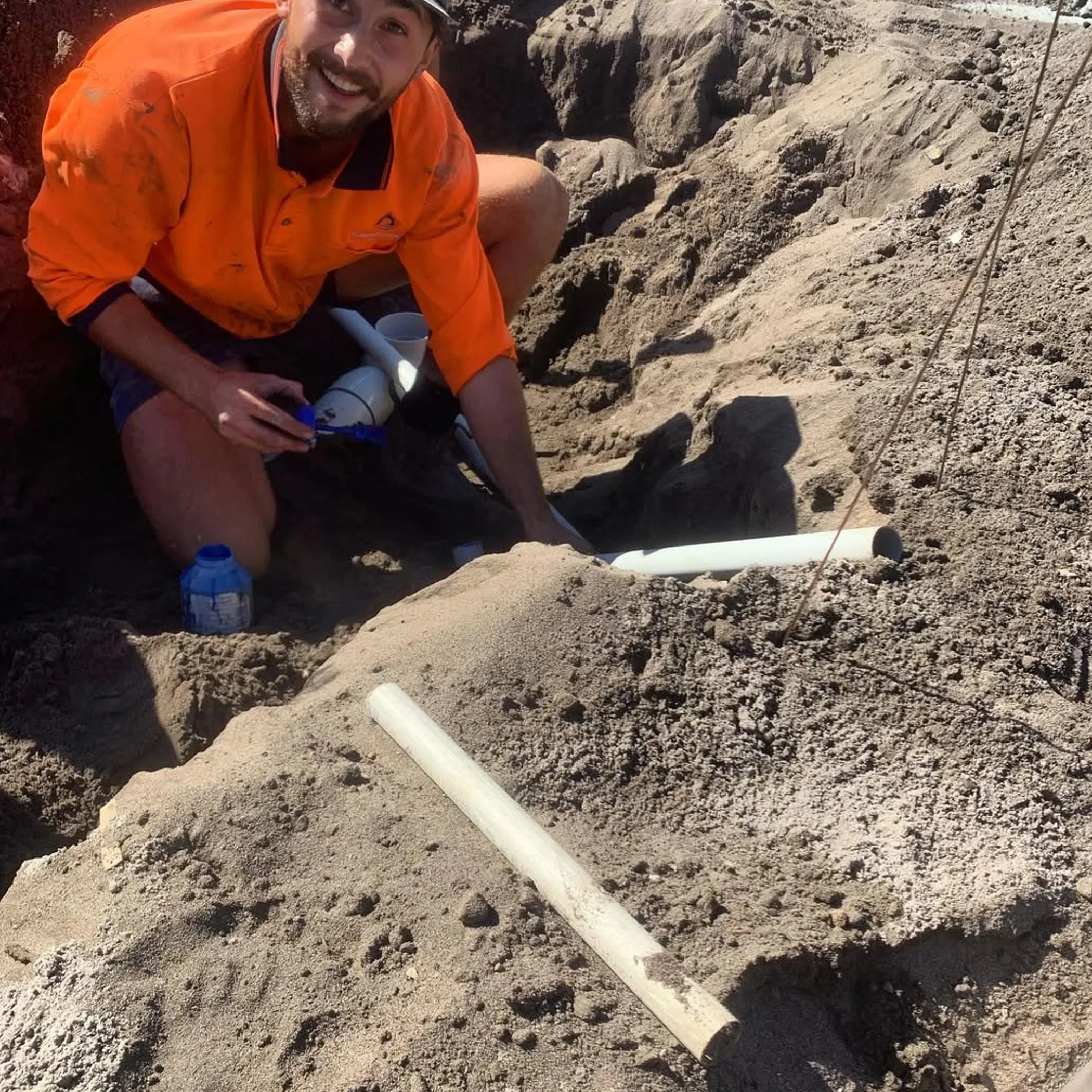
Debris can be cleared in a simple fashion provided care is taken. Where it is safe to do so, put down a grate cover and hand remove the leaves and litter, or employ the right tools, then put the cover back in place. Do not try to budge a stuck grate or put electrical gear in the wet. If the pit is deep, the cover heavy or the water running fast, call in a professional.
A Method That Works
Work from the roof downstream. The gutters and downpipes come first, then a look at the surface inlets and pits. Taking material out of the top of the system means it is not being pushed into the underground pipe.
An underground obstruction is something a licensed professional will tackle with mechanical equipment, CCTV or water jetting, depending on the access, the type of blockage and whether the pipe is old enough to warrant caution.
Site Logistics And Access
Have the driveway free of cars and any outdoor furniture or bins moved from the vicinity of the inspection points before the contractor gets there. Make sure the plumber has somewhere to park and that the gates will accommodate his equipment. Property owners’ responsibilities include maintaining drains on their land and private connections up to the legal discharge point.
When you book, let them know if the block is steep, side access is tight or there is a locked pit. It spares the contractor having to spend time looking for a buried lid on his arrival.
Staying Ahead Of Blockages
It is easier on the drainage system and requires less work than an emergency to put in place some prevention for when the rains come. Landscaping and secure covers go a long way.
Gutter guards will keep some of the leaves out but they are not without maintenance. A bad fit and they will be holding sludge to the edge of the gutter or impeding the flow.
A Checklist For Prevention
- Vegetation should be trimmed back from the drains and inspection points.
- Make sure mulch and gravel are below the level of the inlets.
- Put in good gutter guards and see to their cleaning.
- Grates must be left in plain view and secure, with nothing stored on them.
- See that landscaping does not channel water to the buildings.
- And do not put off the repair of a sinking pit or a crack in the pipe.
It is a mistake many make to think of landscaping and drainage as two distinct things. Put in some new paving, edging or a retaining wall and you will be altering the way water runs, so it is best to have the drainage plan in hand before any major outdoor project is undertaken.
When To Call In A Professional
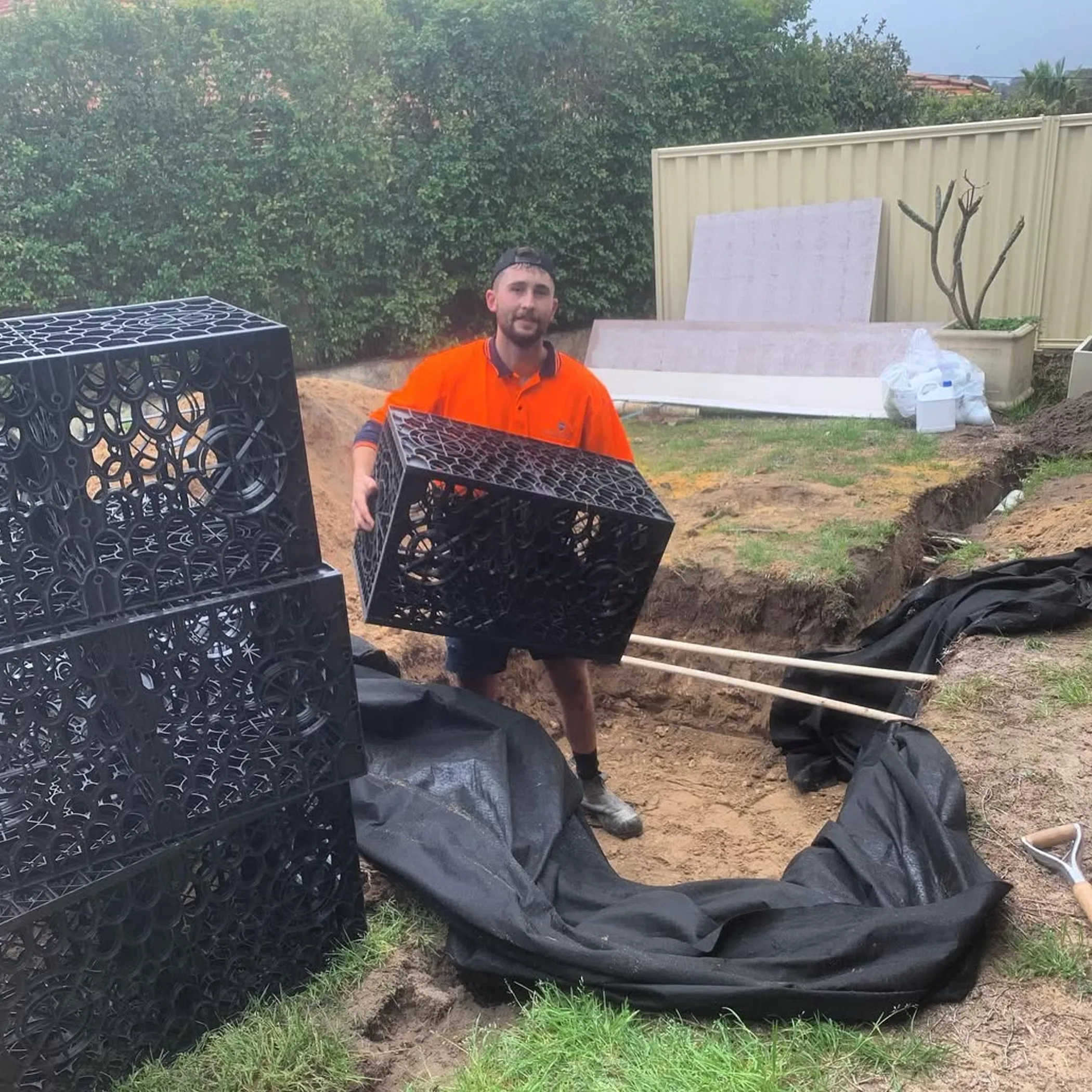
There are times when one should leave it to the professionals: an underground or hard to get at blockage, something that keeps coming back or where there is structural damage involved. A contractor with the right qualifications will put his finger on the root cause rather than just going about clearing the same old symptom.
Then there is the matter of stormwater work which can bring with it council and plumbing regulations, excavation hazards and the need to dispose of contaminated material in a safe manner. Since rules are different from one state to the next and depend on the property, do not alter a legal discharge point without checking what is required.
An Investigation Worth Having
For sediment, silt and organic matter clogging the works, high-pressure water jetting will do for most blockages. But if the pipe is of an age, you are seeing movement or tree roots have made an intrusion, or the problem has a habit of returning, a CCTV drain inspection is called for.
A repair job could mean digging up a collapsed line, putting in a new section, mending a pit or remedying a sag in the pipe. Pipe relining is an option in some cases where access is an issue and the condition of the pipe warrants it, but it is not a panacea for every type of failure or diameter.
Rules And Who Is Liable
The National Construction Code, plumbing standards and the like are all part of Australian drainage requirements, along with state and local conditions. In NSW one might look to the Planning Portal for guidance and approvals, but that is no substitute for advice pertaining to your own property.
As a rule of thumb, private owners see to their own stormwater pipes and fittings; the council has the public assets in its area. The dividing line is not always plain to see in an older suburb or shared development. Get in touch with the council before you go about connecting to public infrastructure or making changes to a kerb outlet or public pit.
Cost Of Stormwater Cleaning In Australia
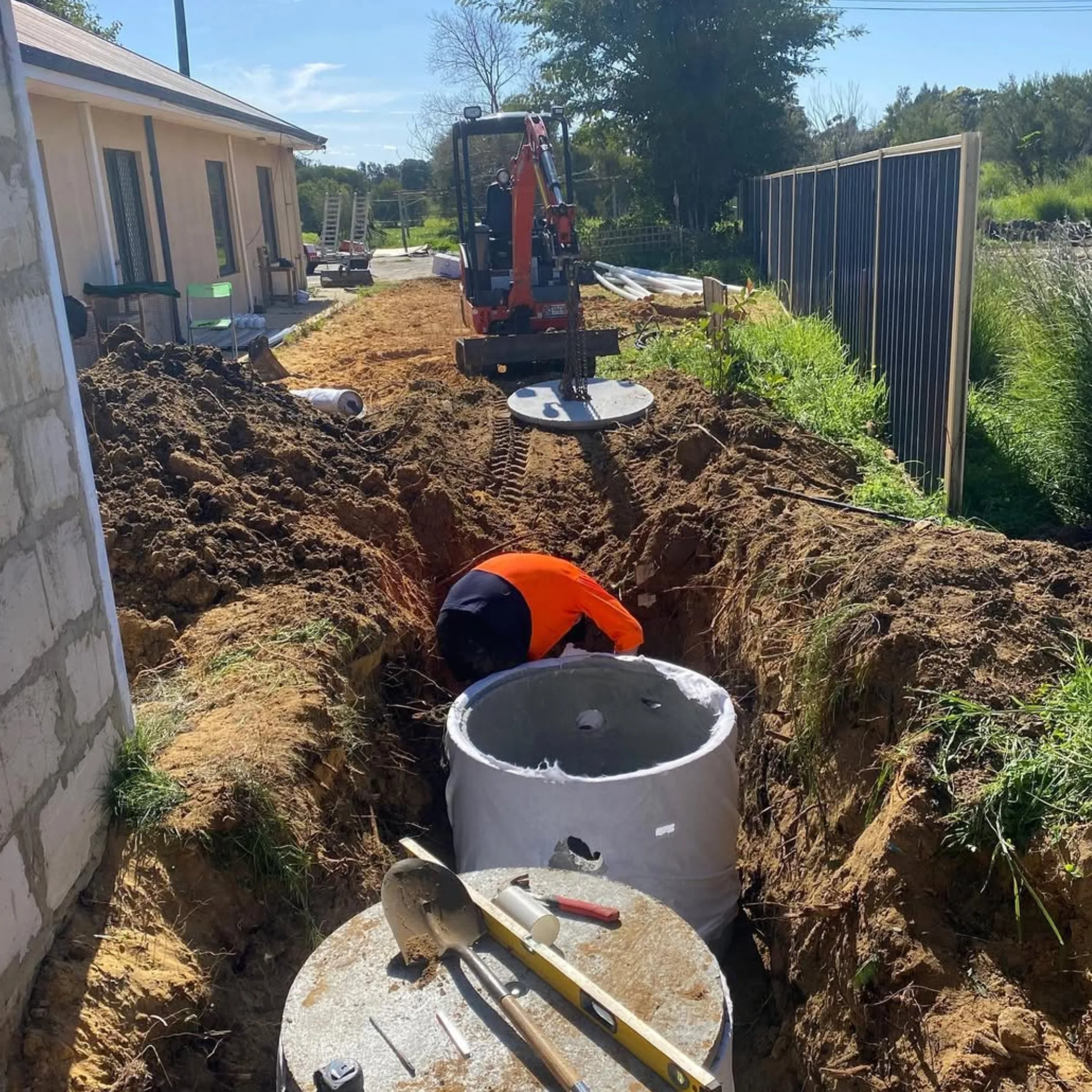
What an owner puts down for a clean depends on a number of variables: the location, how bad the blockage is, what equipment is to be used and if there is an investigation or repair to be done. An emergency dig after a flood is not the same price as a simple surface clean.
| Service | Indicative cost (AUD) | What drives the cost |
|---|---|---|
| Basic surface clearing | $100–$250 | Debris volume, access, grates |
| Drain cleaning by jetting | $250–$700 | Type of blockage, time on equipment, length of pipe |
| CCTV inspection | $250–$600 | Recording needs, access, pipe length |
| Minor repair | $300–$1,500 | Shallow excavation, parts, broken fittings |
| Major repair or replacement | $1,500–$10,000+ | Reinstatement, site access, depth, collapsed pipes |
Take these as figures for planning purposes only, not set in stone, and they will differ around the country. Make sure a written quote tells you what the suspected problem is and how it will be put right, not just “drain fix”. Enquire as to whether call-out fees, traffic control, disposal and the like are part of it.
Some FAQs On Drainage
Compliance and who is responsible can be a conundrum, particularly with a private pipe feeding into the public system. While the following addresses the usual questions, the final word on anything site-specific lies with your council and a licensed professional.
Australian Standards?
State legislation, the NCC, local council specs and plumbing rules can all play a part in stormwater drainage. Do not be under the impression a solution good enough for Perth will do for a property in NSW; the location and discharge point are determinants.
Is A Plumber Necessary?
If it is safe and does not change the system, a property owner can handle some surface cleaning. But let a suitably licensed person assess any new connections, structural or underground work and anything subject to plumbing rules. Verify the scope and ask for licence details first.
Responsibility For A Storm Drain?
Public assets are the council’s domain, private drainage within the property is the owner’s. Where there is a shared property an owners corporation or easement may come into it. If you are in any doubt as to the boundary, check the title and the council.
NSW Maintenance
In NSW it comes down to the local council’s asset boundaries and if the drain is private, public or shared. There may be extra obligations with a private pipe over an easement. Do not count on the council to fix a private line or put your hands on a public pit without speaking to them.
How Often To Clean?
After a big storm or every three to six months give the visible components a once over. With sandy soil, large trees, construction nearby or a propensity for flooding you will want to do it more often. Have a pro in if you cannot see the cause of a blockage or water is left standing in the pits.
Ownership Means Maintenance
Keeping on top of your stormwater drains in Australia is largely a case of routine: watch for warning signs, keep debris at bay and look into blockages that recur. The schedule will be dictated by the age of the system, the rain, the soil and so on.
Spend a day on it and you will be ahead of the game. Clear the gutters and grates, put a camera to any damage, inspect the junctions and see how the system holds up in the next rain. It is a small amount of organisation to stave off a bigger mess and far less of a drama than having to tell a plumber why potting mix is clogging the drain.
Evander Anderson
Evander Anderson puts together practical guides for those in search of straight answers before they open their purse or pick up a shovel. When there is any uncertainty, confirm responsibility and book a professional inspection to be on the safe side; a blocked drain is the last thing you want turning into damage to the property.
